Kathmandu, September 24
The government plans to make waste segregation at source mandatory and introduce measures to make waste management financially sustainable, Infrastructure Development Minister Sunil Lamsal said on Thursday.
Responding to lawmakers during a discussion on the Waste Management Bill, 2026 in the House of Representatives, Lamsal said the proposed law would restructure waste management as a public service and promote a public-private partnership model.
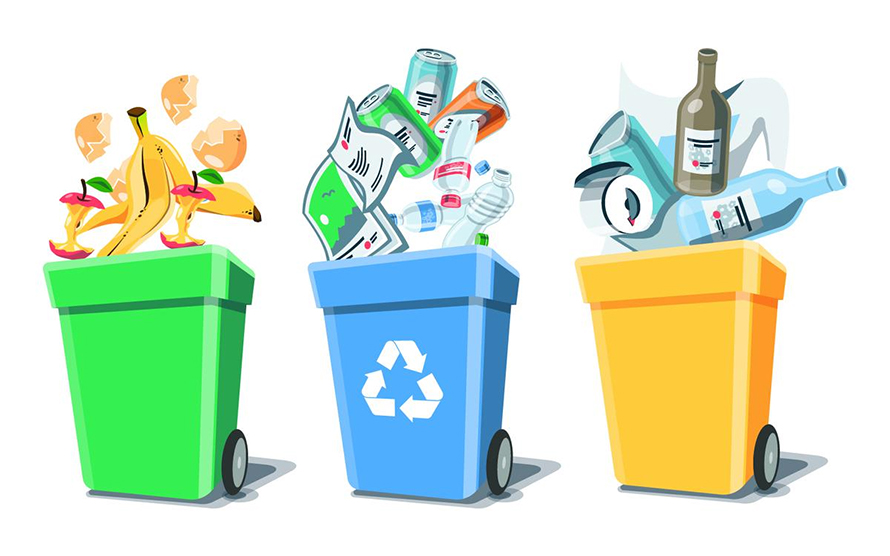
Under the proposed system, households that fail to segregate waste at source will not have their waste collected, Lamsal said.
He said waste collection vehicles with three separate chambers would be used to collect different categories of waste.
The government also plans to replace the traditional concept of collection centres with transfer stations based on population size, according to the minister.
Each local government will be required to establish a waste-processing system with four facilities — a Material Recovery Facility (MRF), compost processing centre, incinerator plant and crusher plant.
Lamsal said the facilities would be interconnected and help advance the government’s goal of achieving “zero waste”.
He said the government was also preparing measures to make the system economically sustainable.
The proposed bill includes subsidies for compost production and a fee based on the “polluter pays” principle for the management of hazardous waste, according to Lamsal.
The government also plans to end what the minister described as the monopoly of scrap dealers over recyclable materials generated through MRFs. The proposed model would ensure that local governments also receive financial benefits from recyclable waste.
Similarly, materials produced by crusher plants would have to be used in public construction projects carried out by local governments, Lamsal said.
The minister said these measures were intended to turn waste management from a conventional collection-and-disposal system into an integrated system involving segregation, processing, recycling and resource recovery.