

Kathmandu, September 1
With the chances of finding workers trapped inside hydropower tunnels alive diminishing, the government has finally allowed project developers to directly join search and rescue operations, seven days after the devastating floods.
Following the permission, hydropower companies and project developers are preparing to mobilise their technical teams and necessary equipment to search for workers who remain trapped or unaccounted for.
Until now, the government had followed a single-command approach to the rescue operation, with the Nepali Army leading efforts at the affected hydropower projects. Project companies had not been allowed to directly participate despite having technical personnel and specialised equipment.
However, the Army has been unable to rescue those trapped inside the tunnels despite seven days of efforts.
After the approach failed to produce the expected results, the government has now asked the respective project companies to join the search and rescue operation with their technical manpower and equipment.
Project developers have begun making arrangements to mobilise their teams.
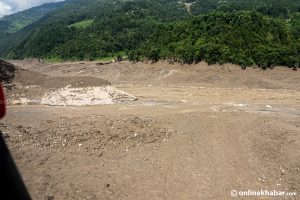
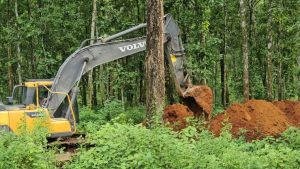
Langtang Hydropower is preparing to send its technical team and necessary equipment to the project site, which has been buried by floods and landslides.
Project promoter Bijay Man Bhattaraisaid the government had now opened the way for the company’s technical team to participate in the search and rescue operation.
“The Nepali Army went around 100 metres into the tunnel and then told us they could not proceed further and asked us to bring our technical personnel and continue the work,” he said.
According to Bhattarai, project companies had been prevented from directly mobilising their technical personnel while the Army-led rescue operation was underway.
He said the situation had now changed, with the government mechanism and project teams expected to coordinate the operation.
“Our technical team was needed before as well, and it is still needed,” he said. “Now there needs to be coordination from our side as well. Helicopters and vehicles cannot reach the site, so they will need to arrange equipment for lifting and other requirements.”
He said the rescue operation would now have to adopt a different approach after the previous method failed.
“The previous approach did not work. So now we are working on a different approach,” he said.
The company’s team is currently in Kathmandu arranging the equipment and materials required for the operation. It plans to travel to the project site after purchasing and arranging the necessary technical equipment.
The Nepal Water and Energy Development Company (NWEDC), which is constructing the 216MW Upper Trishuli-1 project, has also begun arranging technical personnel and equipment.
The company had sought to mobilise its technical team soon after several people at the project site went missing following the floods. However, it was not allowed to directly participate in the rescue as the government said operations were being conducted through a single command under the Nepali Army.
The latest decision has now cleared the way for project companies to use their own technical expertise, equipment and manpower in the search and rescue operation.
The decision comes as the status of many workers trapped or missing at the project sites remains unknown even a week after the floods, raising hopes that the involvement of specialised project teams could accelerate the search.
894 hydropower workers still unaccounted for
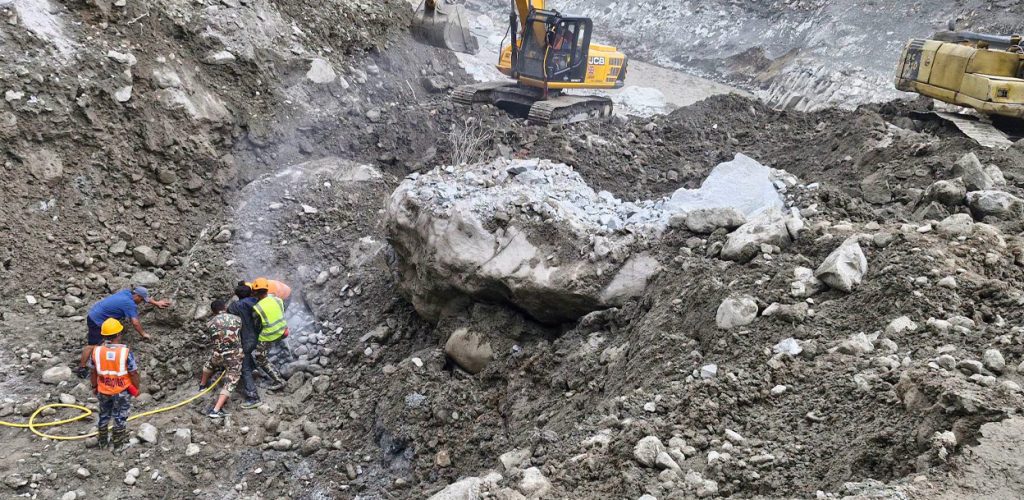
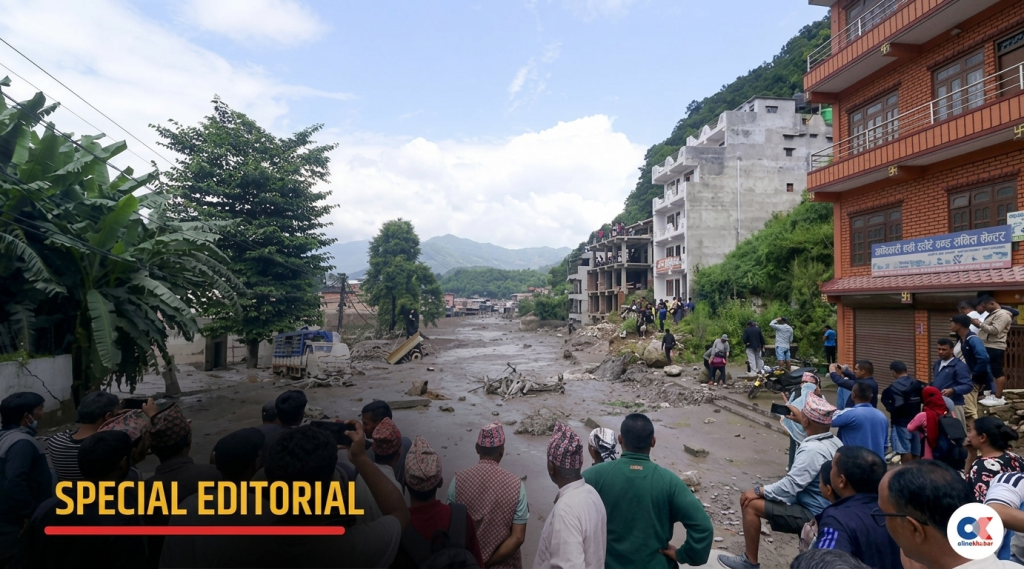
The August 26 floods damaged 12 hydropower projects in Rasuwa and Nuwakot. As of now, 894 employees and workers remain unaccounted for.
The largest number are from NWEDC’s 216MW Upper Trishuli-1 project in Rasuwa, where 573 people remain unaccounted for.
At the 111MW Rasuwagadhi Hydropower Project, 93 employees and workers are still missing. The Nepali Army has said its search inside the project’s underground powerhouse found no one. However, the company says three employees who were on duty at the time of the flood remain unaccounted for.
Another 41 people remain unaccounted for from the 20MW Langtang Khola Hydropower Project.
In Nuwakot, 42 employees and workers from the 60MW Upper Trishuli-3A project remain unaccounted for.
Rescue efforts continued at the project on Monday, with teams working for 24 hours inside the underground powerhouse, but they were unable to rescue anyone.
Teams worked to clear the tunnel portal, remove water and create an entry route into the tunnel. The Nepal Electricity Authority said the operation has been particularly challenging because the tunnel remains flooded.
On Monday, an engineering and drone team led by the Nepali Army also entered the tunnel to continue the search.