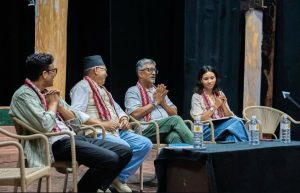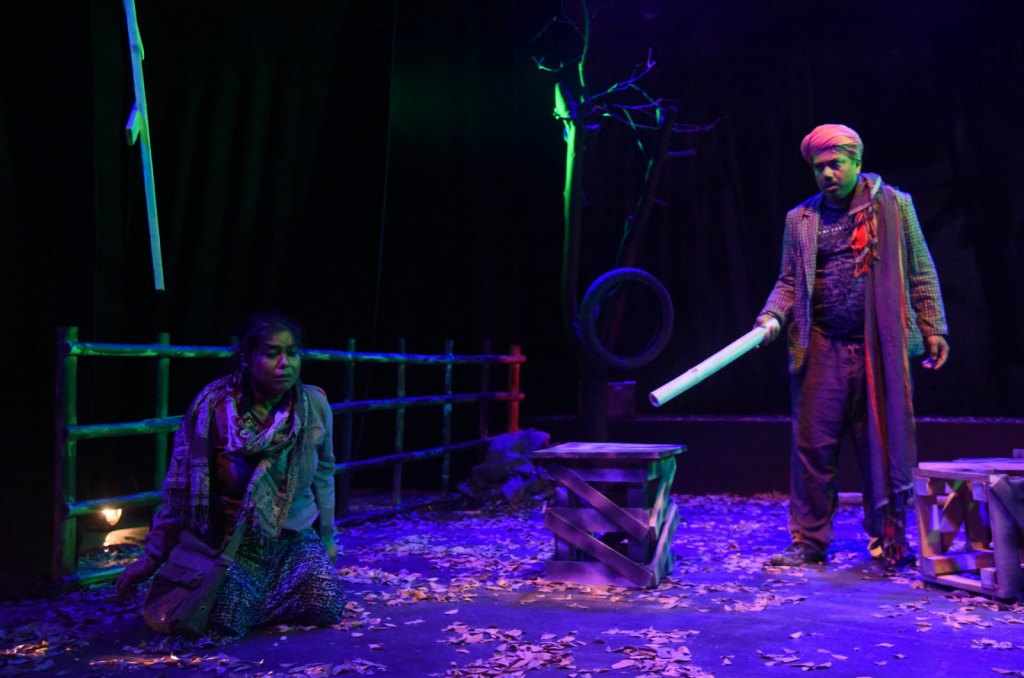


In the latest generation of Nepali theatre, Akanchha Karki is a name for whom drama is never merely a vehicle for acting or entertainment. For her, theatre is a means of engaging in dialogue with society, questioning inequality, and searching for the possibility of change.
The founder of Kausi Theatre, Akanchha’s identity doesn’t stop there; she is also an actor, writer, counsellor, and trainer.
Drawn to literature, poetry, and art from an early age, Akanchha began acting on stage from grade four. But it was only after reaching college that she realised art was not just an interest but her life’s identity.
She went to India for higher education, earning a bachelor’s degree in performing arts and a master’s in counselling psychology. Her time in India became the decisive turning point of her theatre journey.
Recalling that period, Akanchha says, “I wasn’t a competitive person by nature, but India’s theatre culture made me competitive and combative.”
When others in college projects were reluctant to take the lead, she began taking on directing responsibilities herself.
Plays she directed, such as “Face Hooked” and “Rat Race,” even won awards at various competitions. “Face Hooked” addressed the theme of social media addiction, while “Rat Race” satirised modern society’s obsession with the race for success. Akanchha, who enjoys the combination of music and drama, also experienced India’s street-theatre (nukkad natak) culture up close.
Nepali adaptation of “The Vagina Monologues”
Akanchha returned to Nepal in 2015. Soon after, she began working as a psychologist at Ullens School with an attractive salary. Outside office hours, she also offered personal counselling.
Life was comfortable. But her heart remained fixed on theatre. Around that time, she got the opportunity to participate in a workshop organised by Mandala Theatre for women theatre artists. After the workshop ended, she proposed staging “The Vagina Monologues,” which she had performed in India.
Staging this play was itself a challenge in a Nepali society where open conversation about women’s bodies and sexuality is often considered indecent. On the other hand, presenting the play entirely in English risked reaching only a limited audience. So Akanchha, working with friends, translated about 80% of the play into Nepali, and it was first staged at Mandala Theatre.
The play received a bigger response than expected. Beginning at Mandala, its journey extended to Trisara and the Nepal Tourism Board, and it continued to be staged through 2019. It sent a message that Nepali society was ready for open, rational dialogue even on sensitive subjects.
The foundation of Kausi theatre
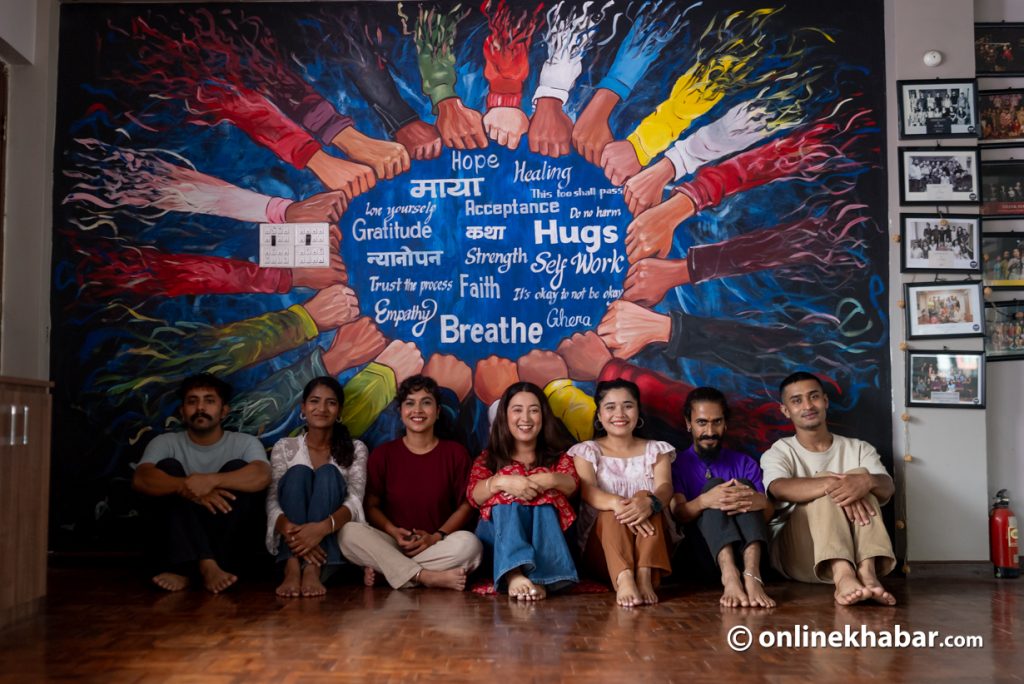
During the staging of “The Vagina Monologues,” Akanchha came to a new realisation. The story they were performing was based on the experiences of an American writer. But during rehearsals, Nepali women began sharing their own deep, painful, and never-before-public experiences.
At that point, a question arose in her mind: why weren’t they bringing their own stories to the stage?
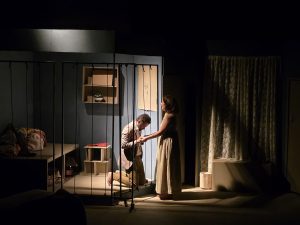
That very question inspired her to create original plays based on the experiences, pain, and struggles of Nepali women. As a result, “Private is Political” was staged in 2019, co-written with Saurav Karki and Suraj Subedi.
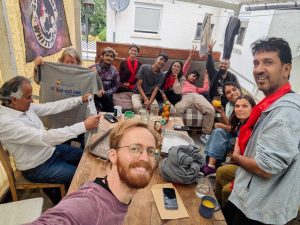
At the time, debates related to the #MeToo movement were also surfacing in Nepali theatre. Akanchha wanted to create a safe, respectful creative workplace with equal opportunity for artists, especially women and members of marginalised communities. This vision gave rise to the founding of Kausi Theatre.
Kausi Theatre’s first production was Dayalu Rukh, an interesting coincidence, since Akanchha had also directed this same play back when she was a student in India.
“When I was in college, I put together an entire production on a budget of just one thousand rupees,” she recalls with a smile. “But years later, when we staged the same play professionally at Kausi, the budget had grown a hundredfold to one hundred thousand rupees.”
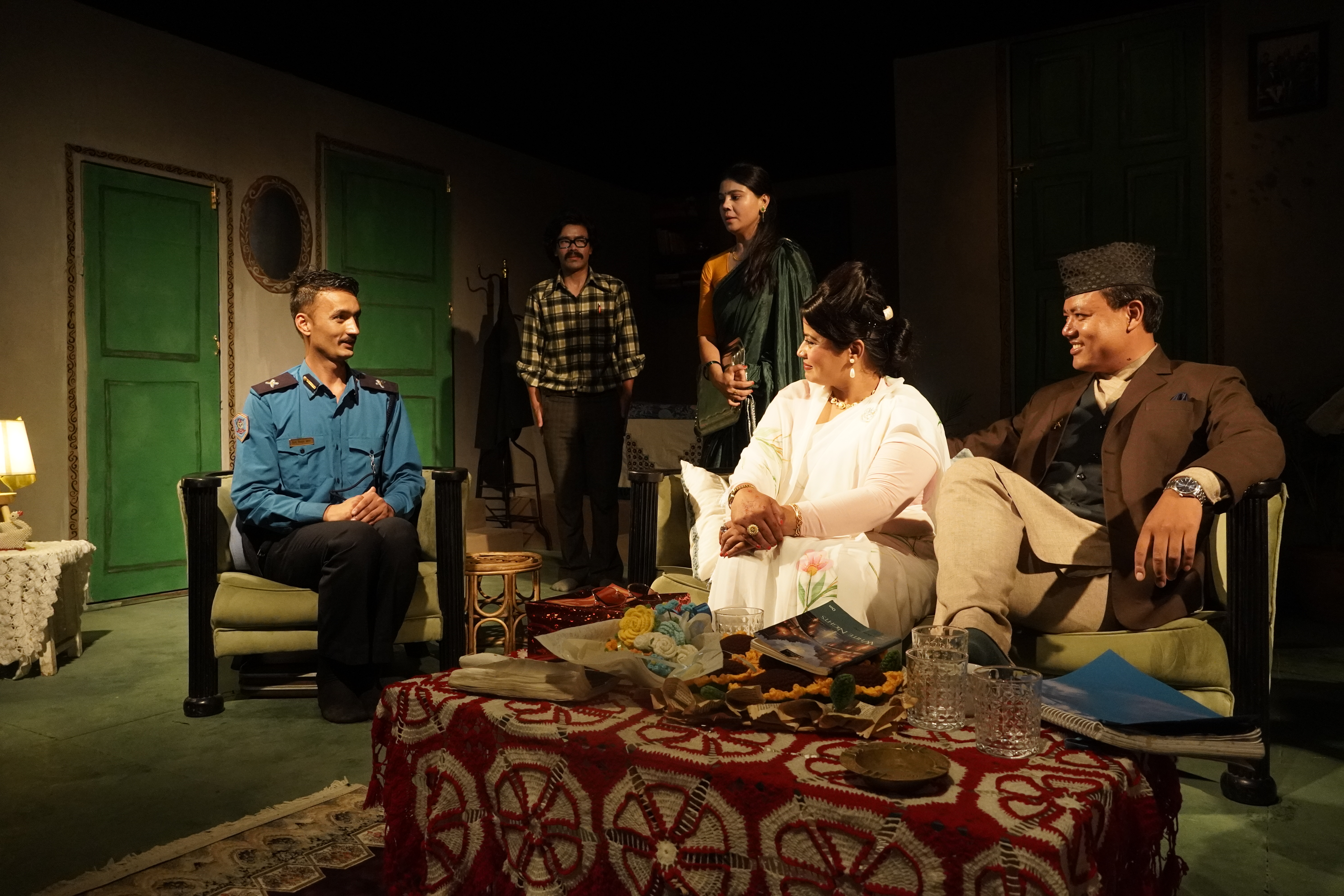
After Kausi’s founding, Akanchha directed play after play. To date, she has directed over 15 plays, including notable works such as “Wedding Album,” “Animal Farm,” and “Play the System.”
Working together with artists with disabilities, she has also directed plays such as “But Still We Rise,” “Sick Room,” and “Prima Facie,” reflecting her commitment to inclusive theatre.
Risk, regret, rebirth
Akanchha Karki is now known as a theatre director, actor, writer, and counsellor. But she prefers to identify herself, most comfortably, simply as a “theatre director.” That identity, however, did not come easily.
In 2015, she acted in the play “Look Back in Anger,” directed by Che Shankar, a significant turning point in her acting journey. Around the same time, she received an offer to act in a commercial film.
She left her attractive job for the film. She lost weight. She devoted herself to acting full-time. Although she had no particular dream of becoming a “heroine,” she dedicated around six to seven months to the project because of the director’s persistent request and trust in her.
But after about 40% of filming was complete, the film was halted altogether due to technical and internal issues.
That event had a profound effect on her life.
“Everything had been going well. Why did I quit my job? Why did I take such a big risk? This question haunted me for a long time,” she recalls.
As soon as the film stopped, she battled depression and anxiety for about eight months. A persistent sense of regret over her decision followed her constantly.
But over time, she began to view that event from a different perspective.
“Looking back now, I feel that if the film had actually been made, I might have become merely an actor, but the director within me would never have been born.”
For her, that failure wasn’t an ending but a new beginning. It was from that very experience that the realisation emerged that she needed to build her own vision, her own stories, and her own creative space. The result was Kausi Theatre.
That said, her relationship with film hasn’t broken entirely. She has worked as an assistant director and actress in the Nepali film Elephants in the Fog, which won a jury prize in the “Un Certain Regard” category at the world-famous Cannes Film Festival.
Proving herself repeatedly
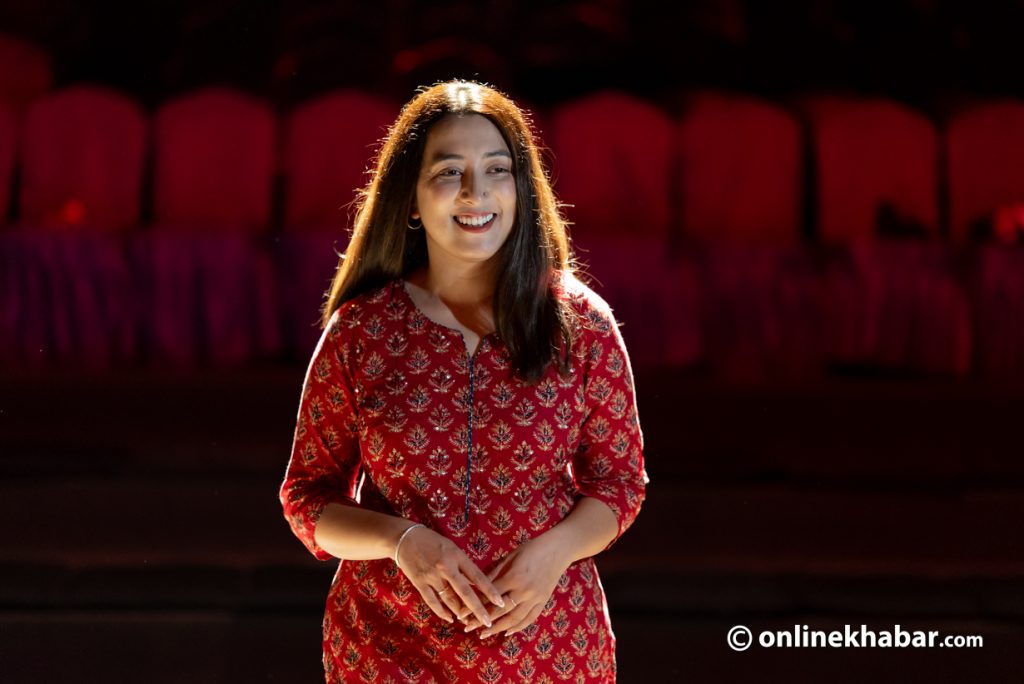
Even after directing more than 15 plays, every new production still feels as challenging to Akanchha as her very first.
“As a director, I still feel I have to prove myself every single time,” she says.
That feeling isn’t only about creative pressure; it’s also tied to the experience of being a woman director.
“If a man had done work at this same level, I feel he would receive a different kind of respect,” Akanchha says. “When a woman does it, somehow it doesn’t seem to be taken quite as seriously.”
In her experience, there remains a large gap between the recognition a male director gets after directing just two plays and the respect a female director earns after years of consistently producing quality work.
“If a man does one good piece of work, he’s considered ‘great’ forever. But a woman has to prove her ability all over again with every new project,” she says.
According to her, the film industry still hasn’t fully freed itself from a male-centred narrative. Theatre, by comparison, is more inclusive; an environment has developed there featuring women-centred stories, the participation of women artists, and sensitivity toward gender equality.
However, at the level of direction and creative leadership, women’s presence remains low. While some women directors have begun their journeys, many are unable to continue due to financial instability, family responsibilities, and long-term insecurity.
Speaking about her own journey, Akanchha says, “Because my partner, Sudam CK, is also in this field, I’ve been able to continue with theatre to this day. Also, I don’t have children. From the outside, these might seem like ordinary details, but for a woman artist, such family circumstances make a huge difference in being able to stay in this field.”
Questions from Kausi’s stage
Despite an extreme lack of resources, Nepali theatre continues to spread its vibrant identity, earning praise even on international stages. But that praise hasn’t changed the daily reality of the artists working here.
For many artists and directors, theatre still hasn’t become a sustainable livelihood. Akanchha herself remains active in other professional work alongside theatre.
“If I were to give up everything else and depend on theatre alone, neither my life nor this theatre would survive,” she says. Still, her deeper concern isn’t financial hardship; it’s about which stories theatre should tell, whose experiences it should voice, and why those stories need to be told.
For Akanchha, a play is born from an uncomfortable question. She draws on her own experiences, society’s inconsistencies, and especially the uncomfortable experiences women go through, as the foundation for her plays.
“Whatever shakes me from within, whatever angers me, that’s the script I choose,” she says.
To the new generation entering theatre, she offers the same message, “If a piece of work doesn’t come from your very soul, from the soles of your feet, never do it.”
Amid numerous social barriers, economic challenges, and systemic discrimination, Akanchha Karki has carved out her own distinct place in Nepali theatre. But perhaps her greatest achievement isn’t that.
The plays she creates don’t offer audiences easy answers; instead, they ask uncomfortable questions. For Akanchha Karki, that, perhaps, is success itself.