
Kathmandu, October 15
As millions of Nepalis prepare to celebrate Dashain and Tihar, another festival is about to take over the country. There will be no tika or jamara on the cricket field, but there will be international stars, eight franchises chasing a trophy and thousands of fans waiting to see who comes out on top.
The Nepal Premier League (NPL) is returning for its third season, and this time it is arriving right in the middle of Nepal’s biggest festive period.
Scheduled to run from October 26 to November 21, the tournament will begin the day after Kojagrat Purnima, the final day of Dashain, and continue through much of Tihar. For cricket fans, the festive calendar has an added attraction. As families gather for celebrations, the NPL will offer another reason to come together.
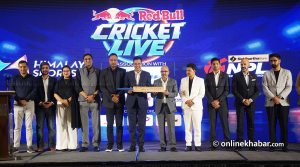
Billed as the “Festival of the Himalayas”, the NPL has grown into one of Nepal’s most anticipated sporting events. Its latest edition will feature familiar international names, experienced overseas coaches and eight franchises preparing to compete for the title. The question now is whether the tournament can build on the excitement of its first two seasons and deliver an even bigger spectacle.
For the players, however, the festive season will not be all about celebrations. While families reunite and relatives exchange greetings, the cricketers will be preparing for one of the busiest periods on Nepal’s sporting calendar.
The eight franchises are finalising their squads and strategies, while members of the national team are currently engaged in the ICC Cricket World Cup League 2 series in Oman. With international commitments overlapping with preparations for a domestic T20 competition, the coming weeks will test both players and team management.
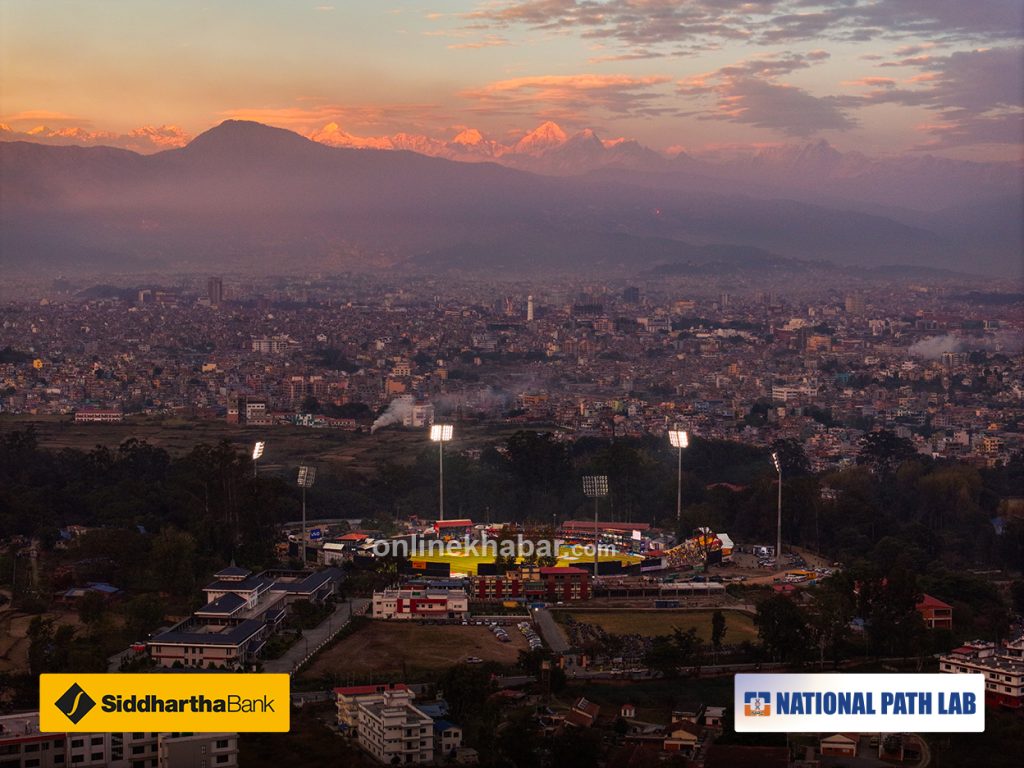
The countdown has begun. The stars are arriving, the teams are preparing, and the spotlight is once again turning towards the TU International Cricket Ground.
Eight teams, one trophy and a festive-season showdown

The festive mood may be building across the country, but for the eight NPL franchises, the immediate focus is on winning the title.
Teams are working to finalise player combinations, secure overseas signings, refine strategies and establish the right balance between local and international talent. In a franchise competition, success depends on more than individual star power. Squad balance, tactical decisions, player availability and the ability to perform under pressure can all determine how far a team goes.
The preparations have already taken some franchises beyond Nepal’s borders.
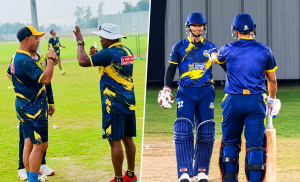
Biratnagar Kings and Sudurpaschim Royals have travelled to India to train under floodlights. Sudurpaschim is practising at Royal Sports Ganj Cricket Academy in Lucknow, while Biratnagar is training at Purvanchal Cricket Academy in Uttar Pradesh. The remaining teams are continuing their preparations in Nepal.
The coaching line-up has also added to the anticipation. Biratnagar has appointed Sri Lankan Dhammika Prasad, Chitwan Rhinos has brought in Pakistan’s Sohail Tanvir, Pokhara Avengers has signed Sri Lankan Ajantha Mendis, and Lumbini has appointed India’s Tinu Yohannan.
Other franchises will rely on Nepali coaches, setting up an interesting mix of international experience and local understanding of the game.
With the tournament approaching, the challenge for every franchise is to turn its preparations into results. Supporters will soon find out which teams have assembled the strongest combinations and which can handle the pressure when the competition begins.
Warner and Shakib add star power

If there is one factor likely to draw extra attention to this edition of the NPL, it is the presence of internationally recognised players.
Australia’s David Warner and Bangladesh’s Shakib Al Hasan are among the prominent names expected to feature in the tournament. Their participation has added to the buzz around the competition and raised expectations among Nepali cricket fans.
Players of their stature bring more than their performances on the field. Their international reputations can attract new audiences, generate attention beyond Nepal and help strengthen the NPL’s profile as a franchise competition.
For young Nepali cricketers, the opportunity to share a dressing room with established international players could be just as significant. Watching how experienced professionals prepare, make decisions under pressure and approach different match situations can offer lessons that go beyond the result of an individual game.
The tournament will also bring together players from several cricketing nations, including India, Sri Lanka, Bangladesh, Australia and England. Their different experiences and approaches will add variety to the competition.
Yet star names alone cannot guarantee success. Players arriving from overseas must adjust to local conditions, and franchises must find ways to integrate them into their squads. Some may take time to settle, while others could make an immediate impact.
The real test will be whether the international presence translates into competitive cricket and creates lasting value for Nepal’s domestic game.
Mendis and Tanvir bring a different dimension
The international influence extends beyond the playing squads. This season, familiar faces from world cricket will also be seen in the dugouts.
Ajantha Mendis, the former Sri Lankan spinner known for his unusual variations, has taken charge of Pokhara Avengers. His experience could prove particularly useful in developing spin-bowling options and helping players understand tactical match-ups.
Mendis has reportedly introduced unconventional training exercises for Pokhara’s spinners, including sessions involving blindfolds. Shakib Al Hasan has also joined the franchise, giving Pokhara two internationally experienced figures whose knowledge could be valuable both on and off the field.
Chitwan Rhinos has appointed Sohail Tanvir as head coach after he represented the franchise as a player in the previous two seasons. The change gives Tanvir a different responsibility. Instead of contributing with the ball, he will now be expected to guide the team’s decisions from the dugout.
Their appointments raise an important question for the NPL. Can the franchises turn the experience of overseas coaches and players into a meaningful advantage for Nepali cricket?
The potential benefits go beyond the tournament itself. If local players can learn from these professionals and apply those lessons in future competitions, the impact of the NPL could extend well beyond the final.
National players face a demanding schedule
While the franchises work towards the opening match, Nepal’s national team players are dealing with a separate challenge.
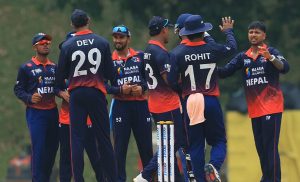
The national side is currently playing in the ICC Cricket World Cup League 2 series in Oman. After completing their international commitments, the players will return home to celebrate Dashain and prepare for the NPL.
The transition will require careful management. League 2 is played in the 50-over format, while the NPL is a T20 competition that demands a different approach to batting, bowling and match strategy.
International performances could give national players confidence and momentum, but a demanding schedule can also bring fatigue. Travel, consecutive matches and limited recovery time may affect their readiness for the franchise tournament.
Teams will therefore need to balance training with rest and recovery. Players must switch formats quickly, while coaches must ensure that preparation does not come at the expense of physical and mental freshness.
For national team players, the coming weeks will be about managing two responsibilities at once: representing Nepal internationally and delivering for their respective franchises.
Can the NPL raise the bar again?
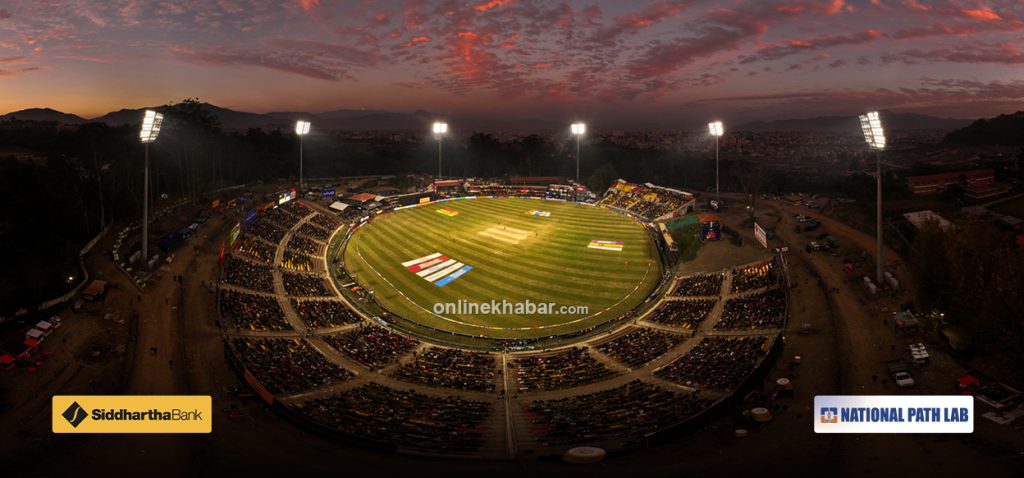
The first two editions have helped establish the NPL as a major fixture in Nepal’s sporting calendar. Franchises have built their identities, supporters have developed loyalties, and the presence of international players has helped distinguish the competition from other domestic tournaments.
That success has also raised expectations.
After the first season established the league and the second brought features such as floodlights and improved seating, fans will be looking for what comes next. Discussions around introducing the Decision Review System (DRS) and obtaining International Cricket Council sanctioning have also drawn attention.
ICC sanctioning could provide greater clarity for franchises seeking to recruit overseas players. But the tournament’s growth will ultimately depend on the quality of cricket, the experience offered to spectators and its contribution to the wider game.
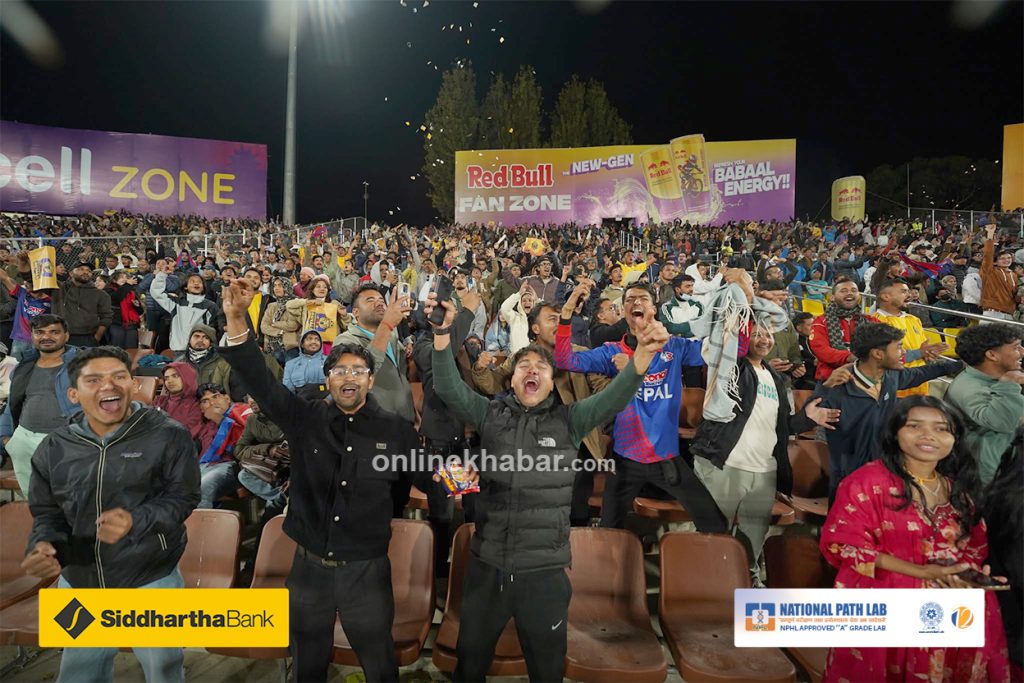
This season’s timing presents both an opportunity and a challenge. Dashain and Tihar bring holidays, family gatherings and a festive atmosphere that could encourage people to watch cricket together. But they are also periods when many Nepalis travel to their hometowns or go on holiday, potentially affecting attendance at the TU International Cricket Ground.
The organisers will need to make it easy for fans to attend matches. Accessible tickets, convenient transport, a safe stadium environment, effective promotion and engaging activities could all help turn interest into attendance.
The NPL has already generated excitement. The next step is to ensure that the atmosphere around the tournament translates into a strong match-day experience.
The countdown to Nepal’s cricket festival
The final preparations are underway, international stars are adding to the excitement, and the eight franchises are getting ready for a contest that will unfold alongside Nepal’s biggest festivals.
For most Nepalis, Dashain means returning home, meeting family and receiving blessings from elders. For the players, this year’s festive season will also mean training sessions, tactical discussions and the pressure of delivering on the field.
For fans, however, the combination could hardly be more appealing. As Dashain gives way to Tihar, cricket will provide another reason to gather with family and friends, follow their favourite teams and share in the excitement of the competition.
But the NPL’s success will be measured by more than packed stands or the presence of international stars. It will also depend on the quality of the cricket, the competitiveness of the teams and whether the league can create opportunities for Nepali players to develop.
The immediate question is who will lift the trophy. The bigger question is whether the NPL can use its growing popularity to strengthen Nepali cricket for the future.
As the countdown to October 26 continues, the festive season is about to gain another attraction. The stage is set for Nepal’s cricket festival, and the answers will soon come on the field.