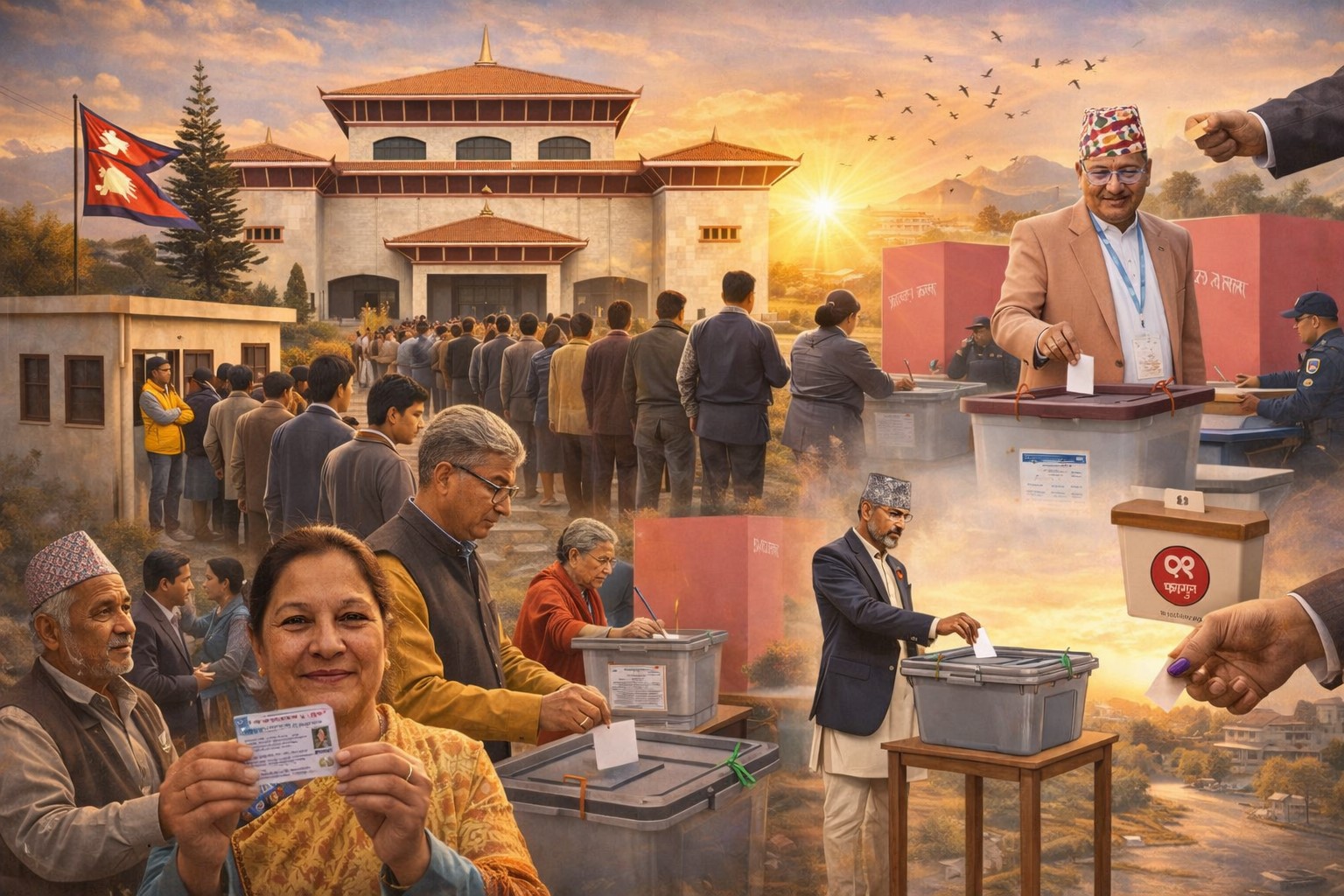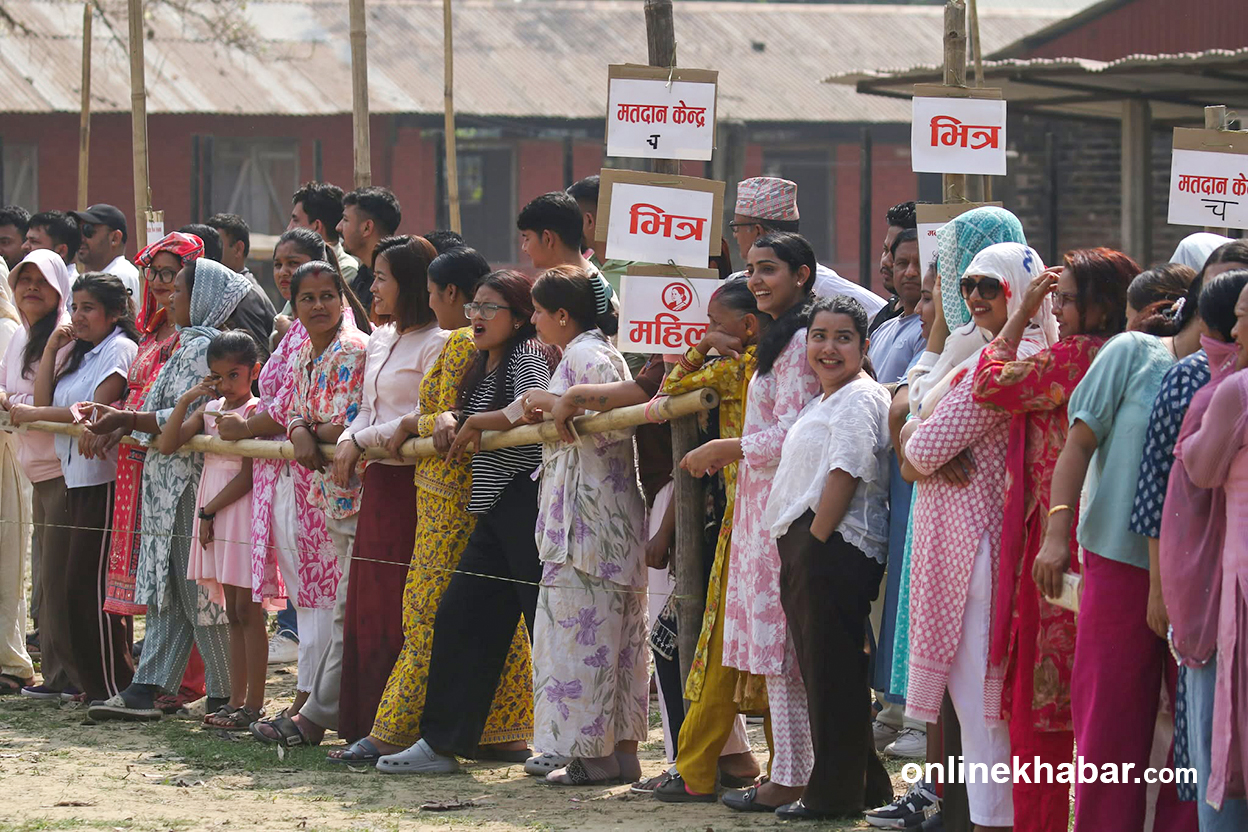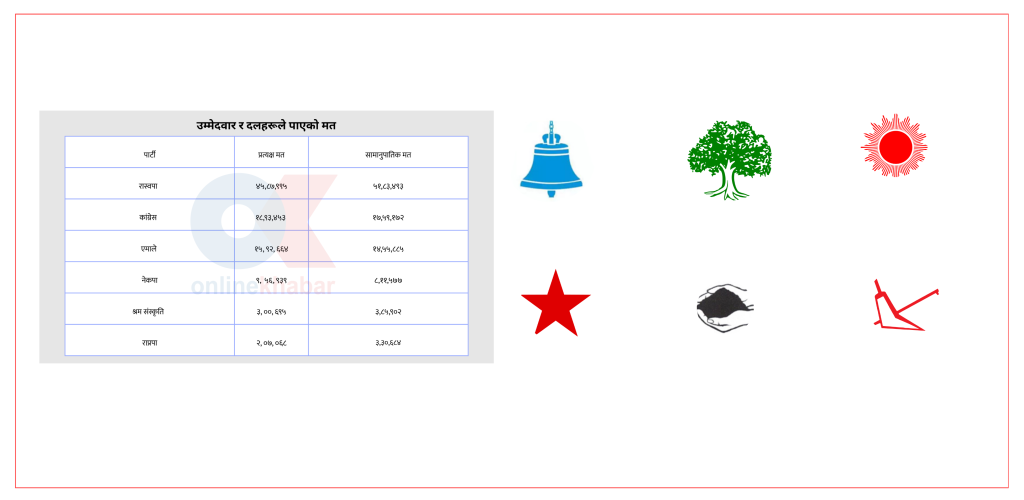


With the conclusion of the 2026 House of Representatives Elections, the results of the direct (first-past-the-post) category have been finalised. However, vote counting under the proportional representation (PR) system is still ongoing. The Election Commission aims to complete the vote count by the morning of March 10.
In the first-past-the-post category, the Rastriya Swatantra Party stands in first position with 125 seats, followed by the Nepali Congress in second place with 18 seats. The CPN-UML is in third place with nine seats, while the Nepal Communist Party has secured seven seats. The Shram Sanskriti Party stands in fifth place with three seats. The Rastriya Prajatantra Party has won one seat, and one seat has been secured by independent candidate Mahabir Pun.
The winning candidates come from diverse social, geographic, professional, and academic backgrounds. In terms of academic qualifications, according to the Election Commission, 55 candidates with PhDs contested in the 2026 House of Representatives Elections. Out of them, nine candidates won. Among these winners, eight are from the RSP, and one is from the CPN-UML.
Dr. Swarnim Wagle
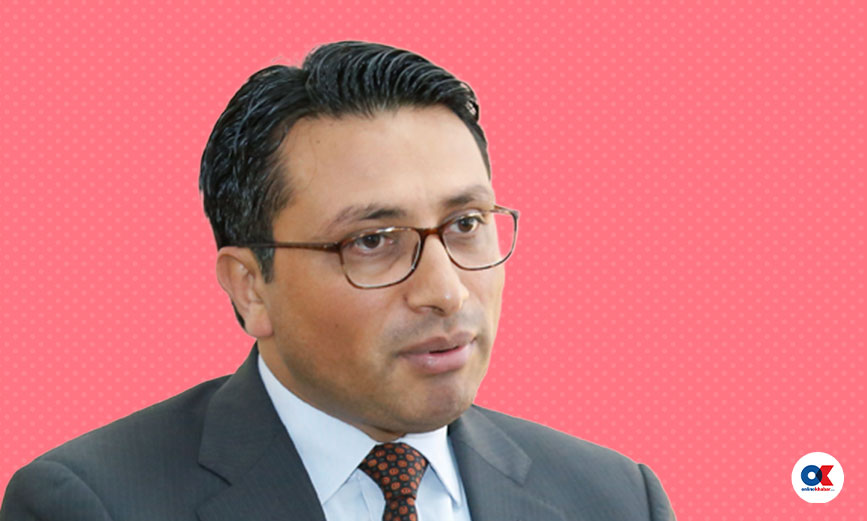
Swarnim Wagle of the Rastriya Swatantra Party contested from Tanahun-1 and won with 38,040 votes. His closest contender, Govinda Bhattarai of the Nepali Congress, received 16,231 votes. This is Wagle’s second electoral victory from the same constituency.
Wagle holds a doctorate in economics from the Australian National University, a master’s in international development (MPA/ID) from Harvard University, and a BSc in economics from the London School of Economics.
He previously served as chief economic adviser at the United Nations Development Programme’s Regional Bureau for Asia and the Pacific. Wagle also served at Nepal’s National Planning Commission, first as a member and later as vice-chair.
Dr. Amresh Kumar Singh
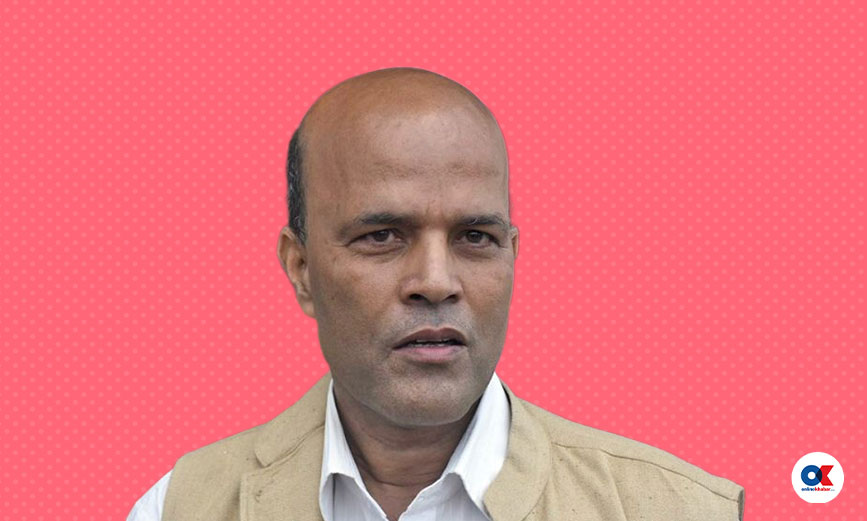
Amresh Kumar Singh won from Sarlahi-4, a constituency that drew national attention in the election because his main rival was Nepali Congress president Gagan Thapa. Singh secured 65,688 votes, while Thapa received 22,839.
Singh, a member of the Rastriya Swatantra Party, holds a PhD in international relations from Jawaharlal Nehru University. Before entering full-time politics, he taught as a professor at Amrit Science Campus. His experience spans academic research, political strategy, and policy advisory roles.
Dr. Bikram Timilsina
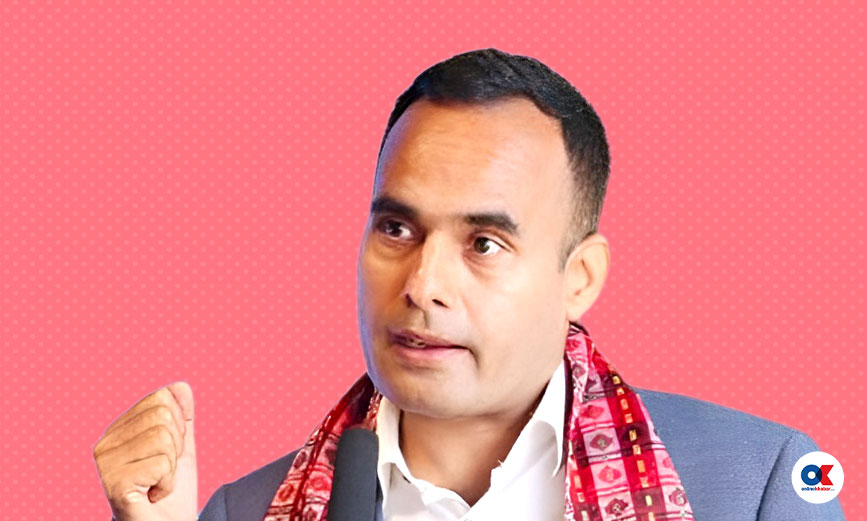
Bikram Timilsina of the Rastriya Swatantra Party won the election from Nuwakot-1 with 22,609 votes. His closest rival, Ram Sharan Mahat of the Nepali Congress, secured 18,597 votes.
Timilsina completed a doctorate in politics and international relations from Griffith University in 2022. He also holds a Master of International Studies (Advanced) from the University of Queensland and a master’s degree in English from Tribhuvan University.
His research has covered topics including politics, geopolitics, climate change, health, peace processes, conflict management, social inclusion, environmental sustainability and women’s empowerment.
Dr. Achutam Lamichhane
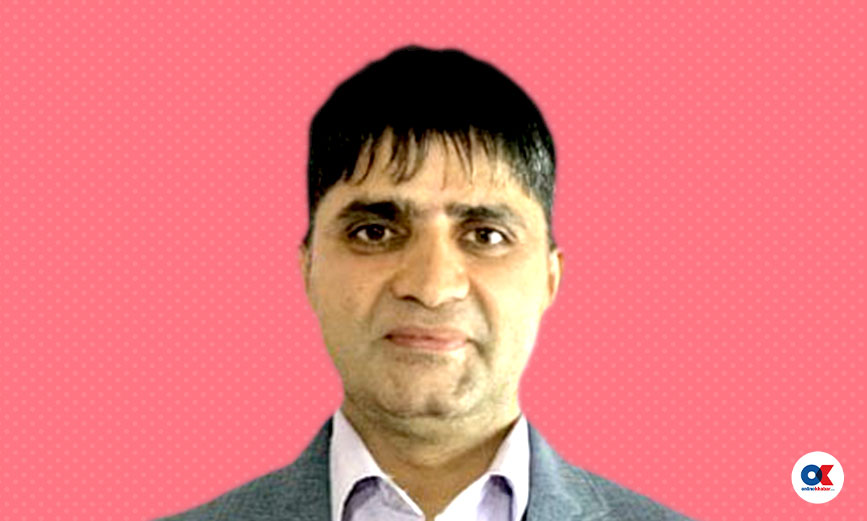
Achutam Lamichhane of the Rastriya Swatantra Party won the election from Nuwakot-2, defeating Jagdishwor Narsingh KC of the Nepali Congress. Lamichhane received 32,054 votes, while KC secured 15,503.
Lamichhane holds a doctorate in sport and exercise psychology from Yong-In University in South Korea.
Dr. Krishna Hari Budathoki
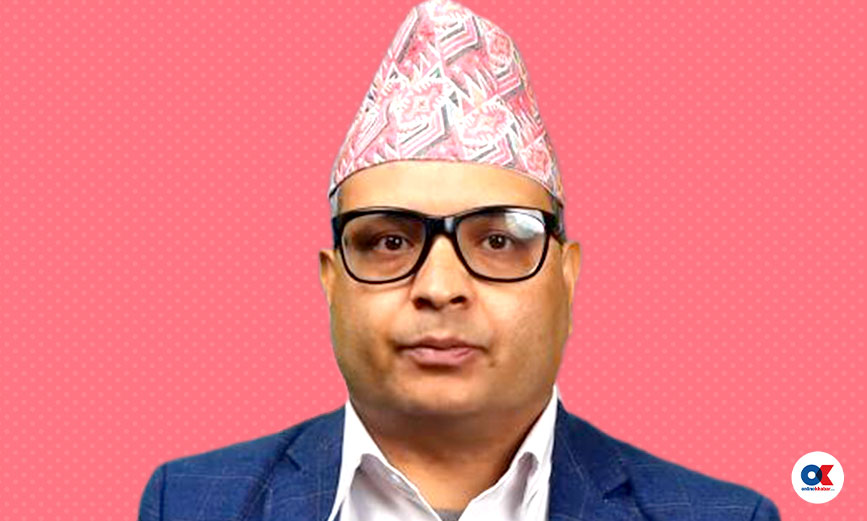
Krishna Hari Budathoki won the election from Ramechhap representing the Rastriya Swatantra Party. He received 24,808 votes, while his closest rival, Madhav Prasad Dhungel of CPN-UML, secured 17,609.
Budathoki completed a PhD in development economics from Tribhuvan University. His research has focused on economic performance, remittances and related development issues.
Dr. Dhananjaya Regmi
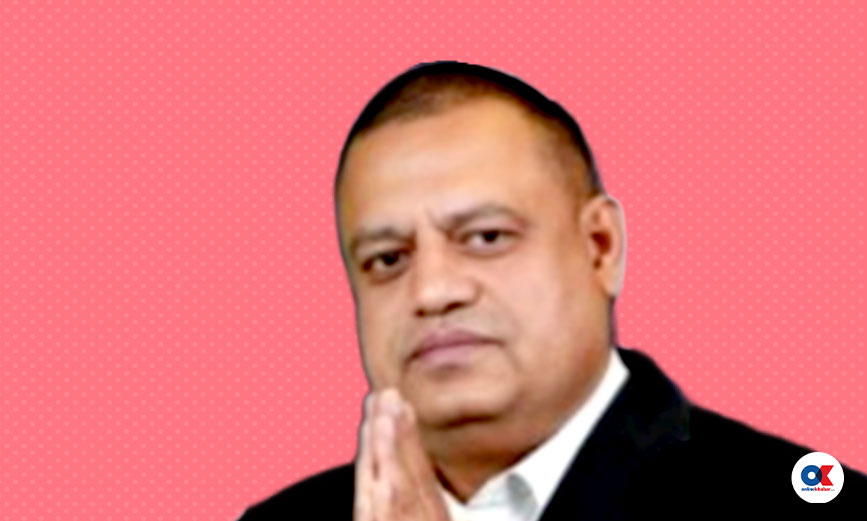
Dhananjaya Regmi of the Rastriya Swatantra Party won the election from Syangja-1 with 29,071 votes. His closest contender, Bharat Raj Dhakal of the Nepali Congress, received 18,857 votes.
Regmi earned a doctorate in environmental earth science from Hokkaido University in Japan and later completed postdoctoral research at the University of Arizona in the United States. He has worked as an adjunct professor at the Central Department of Geography and Environmental Science at Tribhuvan University and has been engaged in climate change research since 2007.
Regmi previously served as chief executive officer of the Nepal Tourism Board. He has also served as chair of the Himalayan Research Expedition and the Himalayan Research Center, and as vice-chair of the Nepal Geographical Society.
Dr. Anand Bahadur Chand
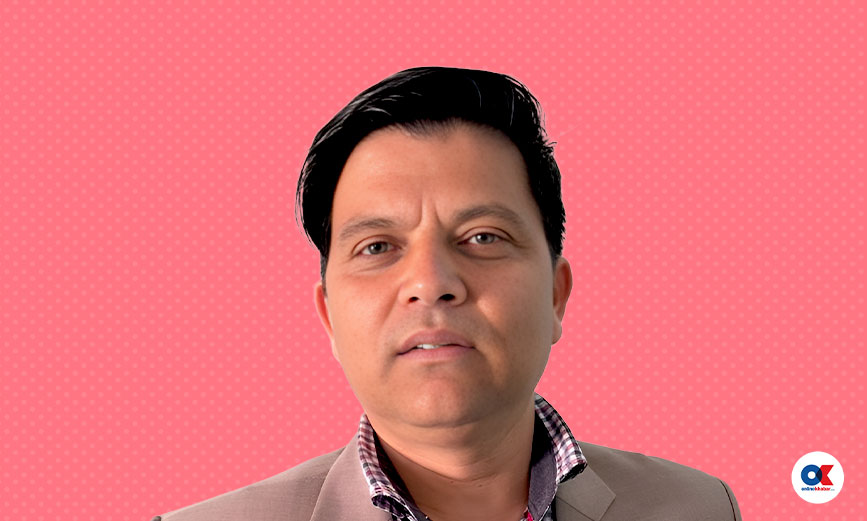
Anand Bahadur Chand of the Rastriya Swatantra Party won the election from Kailali-5 with 31,953 votes. His closest rival, Nar Narayan Shah of the Nepali Congress, received 11,958 votes.
Chand completed his PhD at the Institute of Science and Technology at Tribhuvan University in collaboration with North Carolina A&T State University in the United States. His research focused on natural products chemistry and pharmacognosy. He is also an assistant professor at Tribhuvan University.
Dr. Tara Prasad Joshi
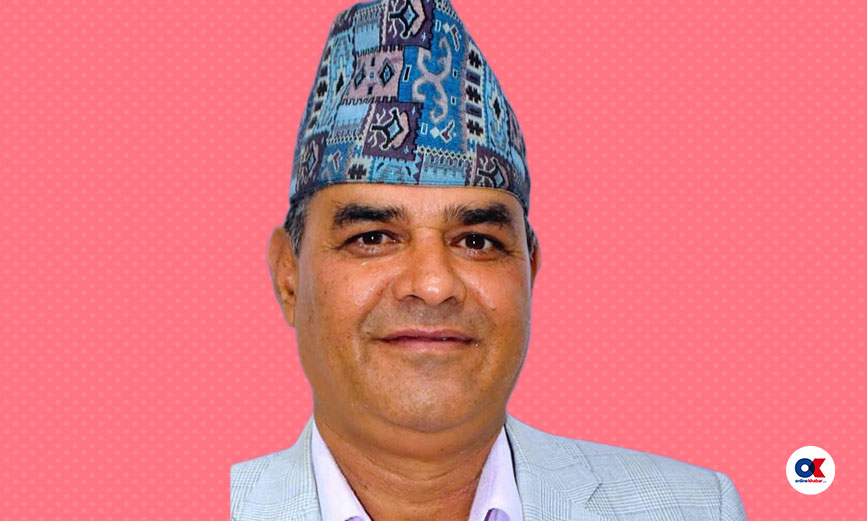
Tara Prasad Joshi, representing the Rastriya Swatantra Party, was elected from Dadeldhura. He secured 19,131 votes, defeating Nain Singh Mahara of the Nepali Congress, who received 12,121.
Joshi completed a PhD in international politics and diplomatic relations at Jawaharlal Nehru University on a full scholarship.
He is also the initiator of Vision Dadeldhura, a project aimed at promoting agriculture-based industries in Sudurpashchim. Following years of research, Farwestern Agro Giant Limited was established under his leadership with investment from 777 individuals.
Dr. Arjun Kumar Karki
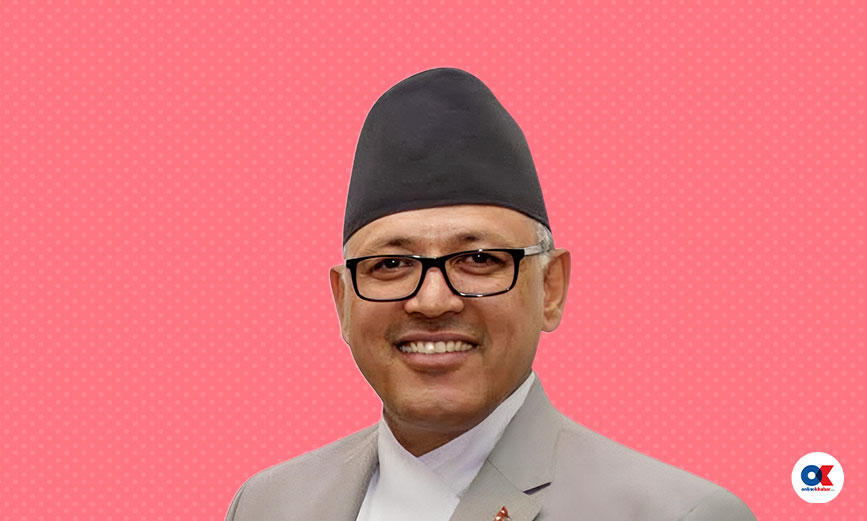
Arjun Kumar Karki is the only candidate with a doctorate elected from CPN-UML. He won the election in Sankhuwasabha with 15,636 votes. His closest rival, Mingma Sherpa of the Nepali Congress, received about 15,000 votes.
Karki earned a doctorate in development studies, focusing on the politics of poverty, from the University of East Anglia in the United Kingdom.
He has served as executive president of Rural Reconstruction Nepal and as global coordinator of LDC Watch. Karki also served as Nepal’s ambassador to the United States and was concurrently accredited as ambassador to Colombia, Costa Rica, Guatemala, Honduras, Nicaragua, Mexico and Guyana.