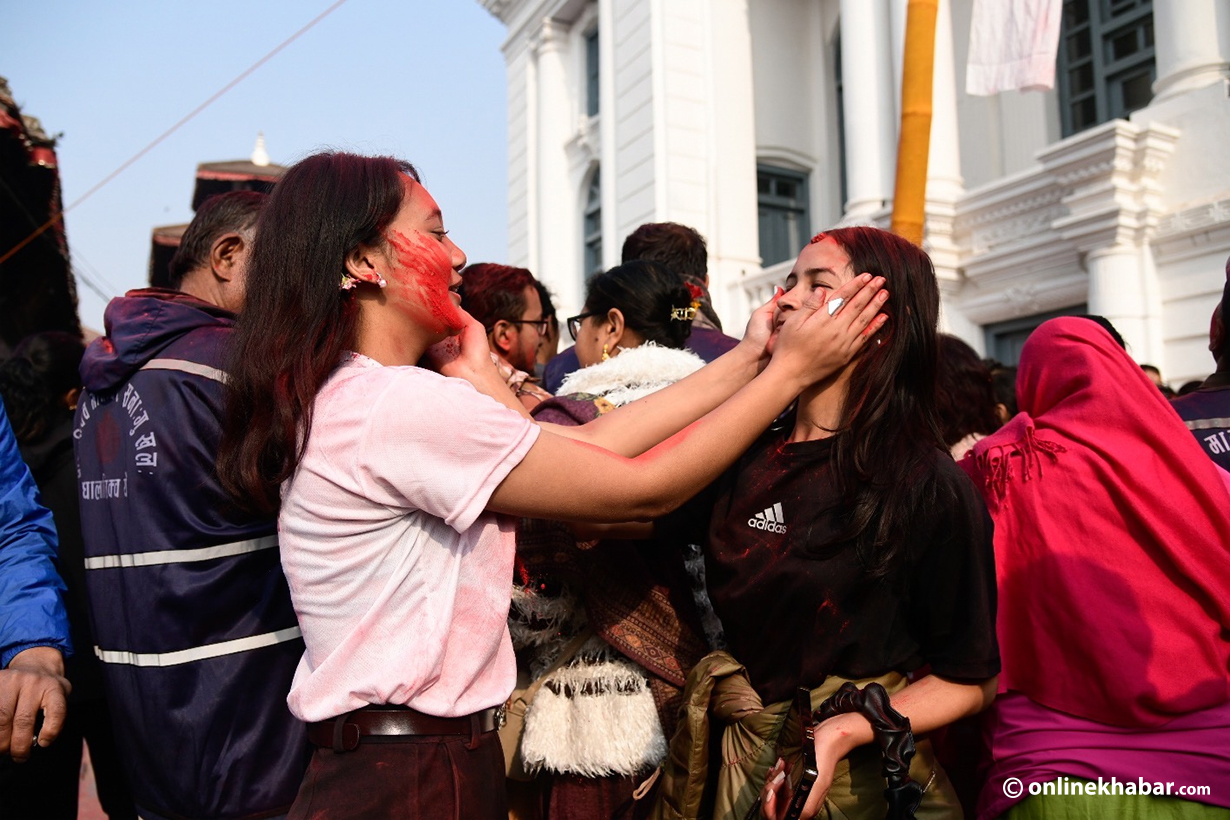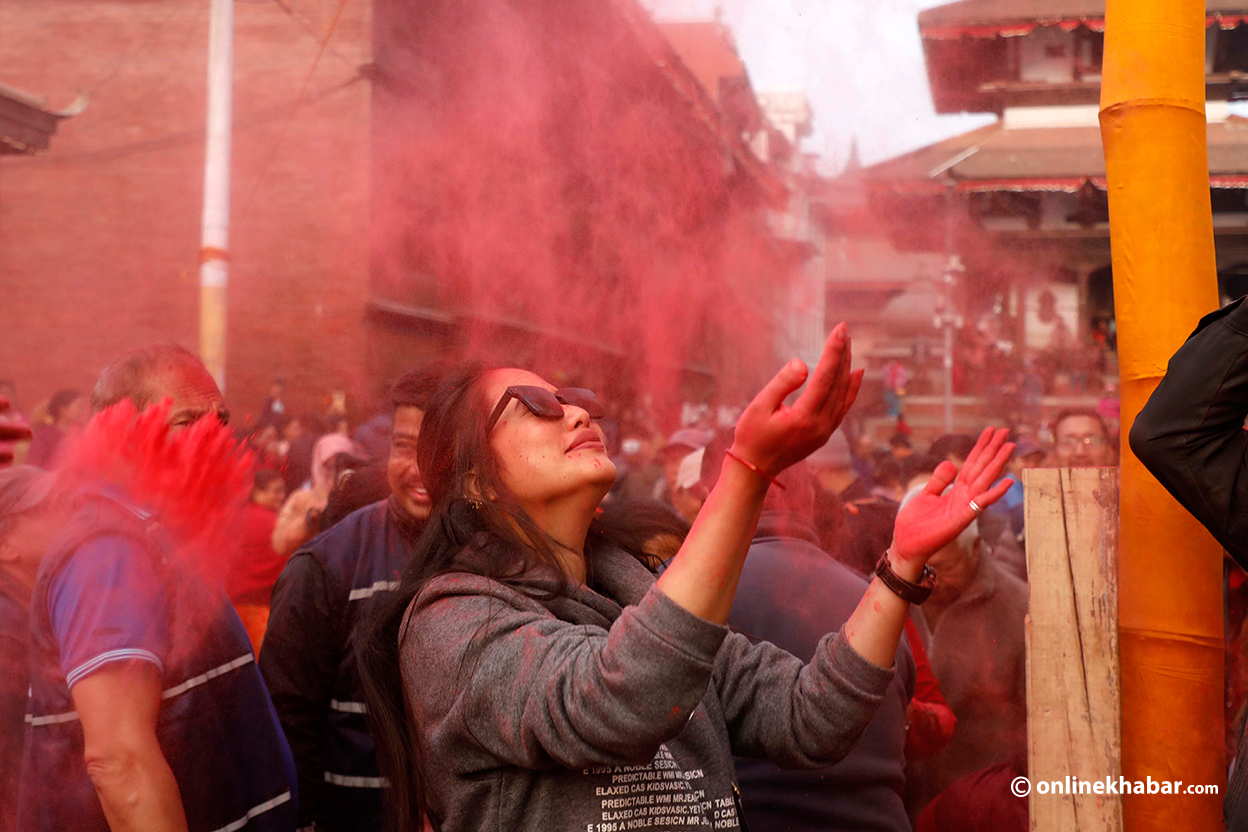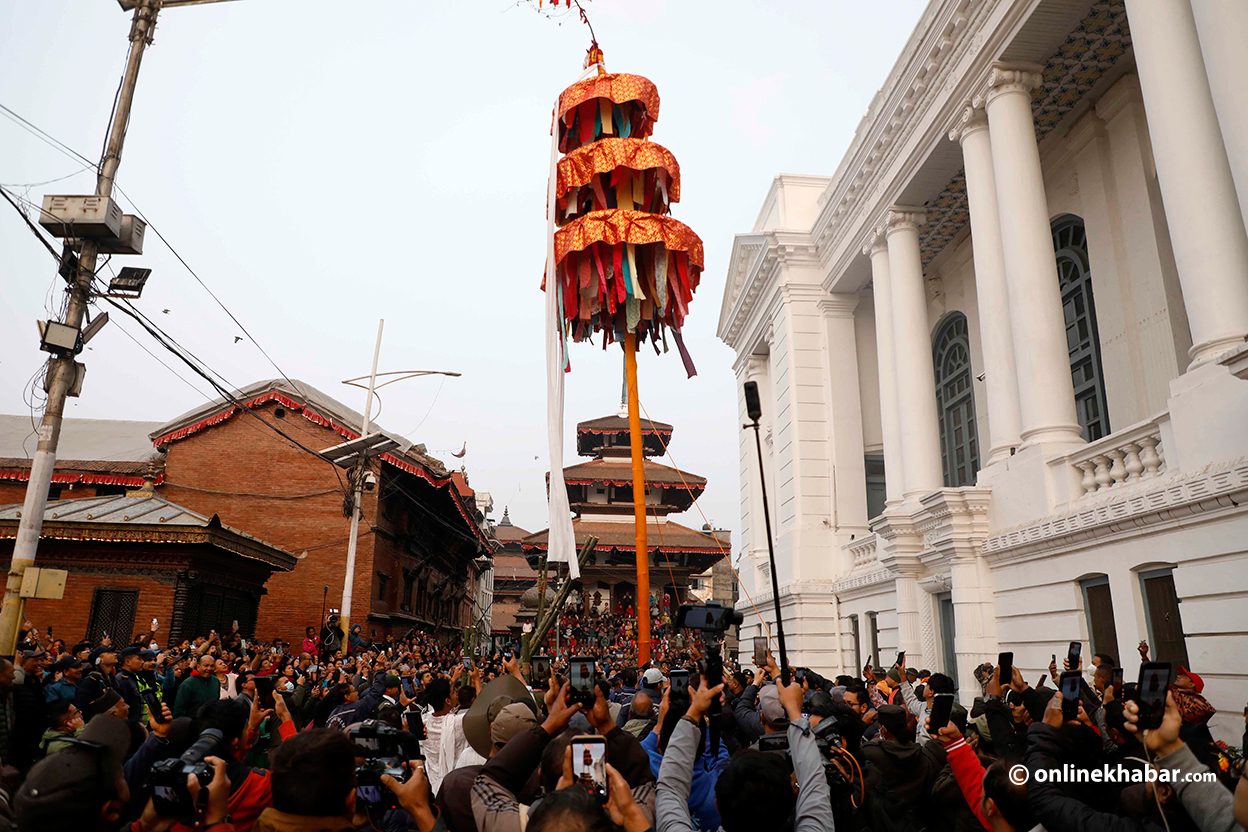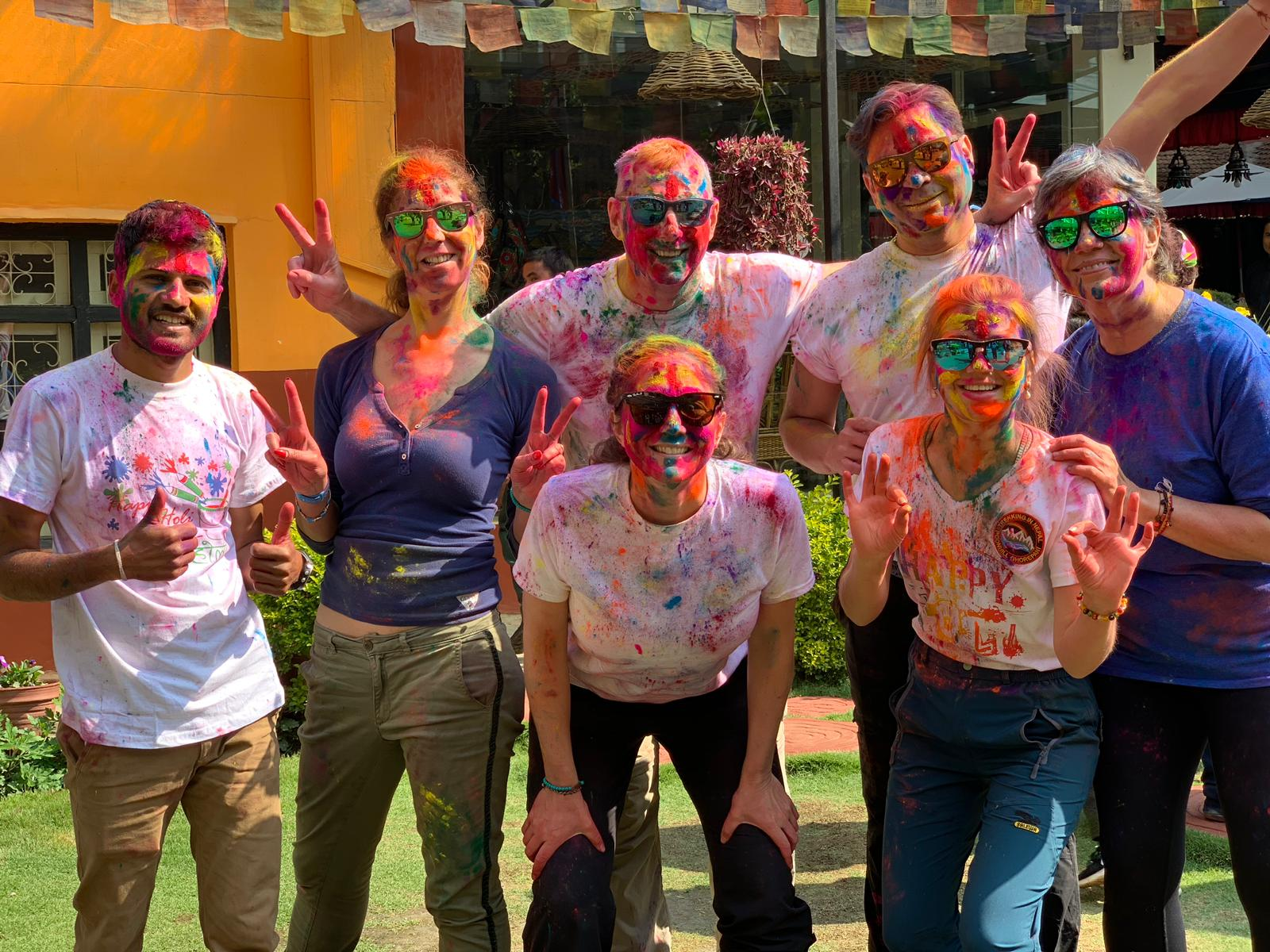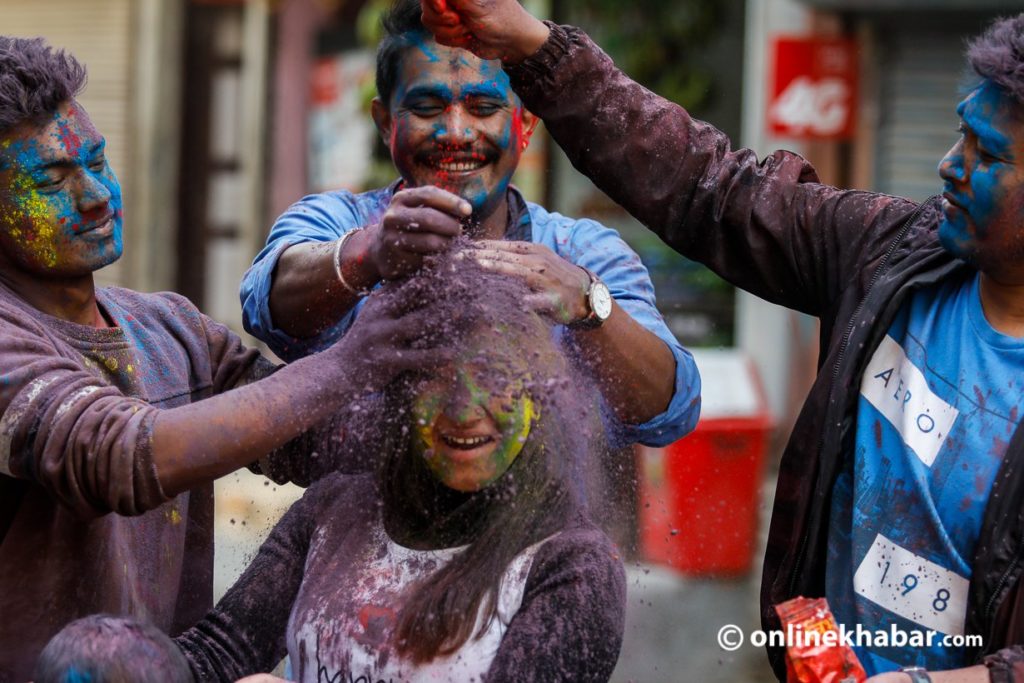
Holi is known as the festival of colours, joy, forgiveness, and togetherness. Streets turn vibrant, music fills the air, and people gather to celebrate freely. In Nepal and across South Asia, it is one of the most awaited festivals. Children run with water balloons, friends put colours on each other’s faces, and families come together to mark the arrival of spring.
The festival traces its roots to the story of Holika and Prahlad. According to Hindu mythology, Prahlad was a devoted follower of Lord Vishnu, while his father, King Hiranyakashyap, opposed his faith. Holika, the king’s sister, was believed to have a blessing that made her immune to fire. She sat in a burning fire with Prahlad in her lap, intending to harm him. However, the blessing protected Prahlad because of his devotion, and Holika was burned instead. The burning of Holika, remembered as Holika Dahan, symbolises the victory of good over evil.
Holi, at its core, represents the triumph of faith, goodness, and righteousness. It reminds us that arrogance and misuse of power will eventually fall, and purity of heart will survive. It is meant to be a celebration of positivity.
Yet today, somewhere between tradition and modern celebration, something important has been lost.
For many girls and women, Holi does not always bring happiness. Sometimes, it brings fear.
I was only five years old when I had an uncomfortable experience during Holi that deeply affected me. At that age, I did not fully understand what was happening, but I remember feeling scared and unsafe. That one incident changed my relationship with this festival. Slowly, I stopped playing Holi. I stopped going out during celebrations. Now, in my 20s, I no longer celebrate it at all.
And I know I am not alone. Many women carry similar memories. Some speak about it openly, and many remain silent.
Every year, in the name of celebration, incidents of unwanted touch, forcefully applying colours, pulling someone into a crowd, throwing water balloons at strangers, and inappropriate comments happen openly. When someone expresses discomfort, they are often told, “It is Holi, do not take it seriously,” or “If you feel unsafe, why go out?”
But why should someone stay inside their home because others cannot respect boundaries?
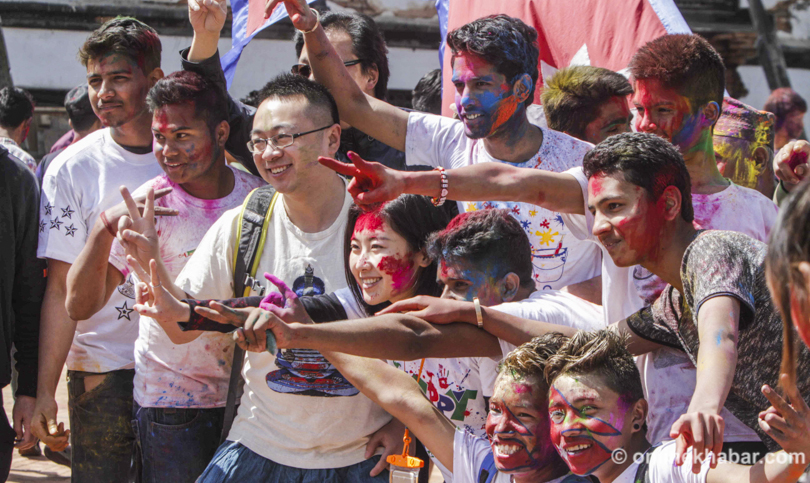
Consent is simple. Consent means asking before touching someone. Consent means respecting “no” without argument, pressure, or mockery. Consent applies to everyone, regardless of gender. A simple question, “Can I put colour on you?” can change the entire experience. Celebration without consent is not celebration; it is harassment.
The normalisation of such behaviour during festivals is deeply concerning. When we excuse inappropriate actions by saying, “It happens only once a year,” we ignore the psychological damage it can cause. A child who feels unsafe in a crowd may grow up developing anxiety around public spaces. Experiences like these can lead to fear of crowds, nervous system overactivation, trust issues, and emotional distress. Some may avoid social gatherings altogether.
From a psychological perspective, repeated exposure to unsafe situations activates the body’s stress response system. The brain perceives danger, even if others label it as “fun.” Stress hormones like cortisol increase, heart rate rises, muscles tense, and the body goes into survival mode. When this happens repeatedly, it can disturb sleep patterns, weaken immunity, and affect long-term mental and physical health. Mental health and physical health are deeply interconnected; one cannot be separated from the other.
What may look like “just colour” to one person can feel like a violation to another.
This conversation is not about stopping Holi. It is not about rejecting culture or tradition. I am not saying do not celebrate. Festivals are important for community bonding, emotional release, and cultural continuity. Play, dance, laugh, and enjoy. But do it safely and respectfully.
If Holi truly symbolises the victory of good over evil, then harassment cannot be part of the celebration. Disrespect cannot be justified in the name of culture. Misuse of freedom is not traditional.
Responsibility does not lie only with individuals. Government authorities and event organisers must create clear safety protocols. Public awareness campaigns about consent should be promoted before festivals. Schools and colleges should educate young people about respectful celebration. Crowded public events must have visible security personnel. Clear guidelines should be announced: “No force, no harassment, no excuses.” Safe complaint systems should be active and accessible during large gatherings.
Friends also play an important role. We must hold each other accountable. If someone in our group behaves inappropriately, silence is not support; correction is. True celebration happens when everyone in the space feels included and safe.
Holi should not be a day when girls and women calculate risks before stepping outside. It should not be a day when parents feel anxious about their daughters. It should not be a festival that a five-year-old child remembers with fear decades later.
The story of Holika and Prahlad teaches us that wrongdoing eventually destroys itself. If we truly believe in that message, then we must stand against the misuse of celebration. The real spirit of Holi lies in respect, kindness, and shared joy.
This Holi, let us choose awareness over ignorance. Let us choose consent over force. Let us choose safety over silence.
The brightest and most powerful colour we can celebrate this year is respect.