Kathmandu, October 16
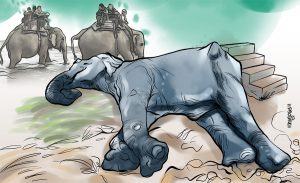
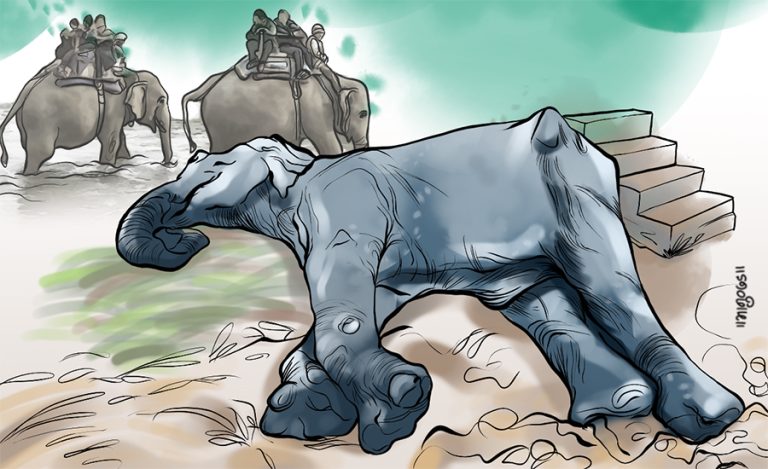
Four wild male elephants have been killed in Nepal this year, including three in the month of Asoj alone, raising concerns among conservationists about a potential crisis in elephant breeding.
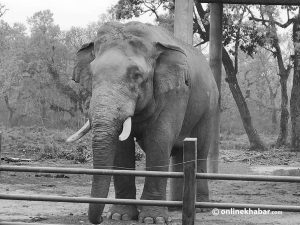
On September 19, Ronaldo, one of the most well-known elephants in Chitwan National Park, died from electrocution after chewing on an electric wire connected to a Nepal Army post near Bishazari Lake in the Barandabhar area.
Experts warn that Ronaldo’s death could affect elephant breeding, as the Sauraha-based elephant breeding centre relies on male elephants to sustain its breeding programme.
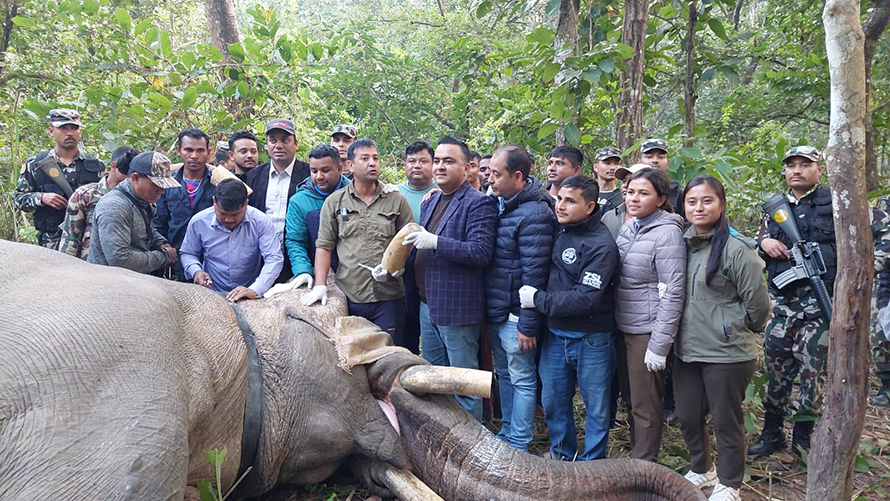
Fifteen days after Ronaldo’s death, on October 4, a wild male elephant was found dead in Parbalbari, near Brahmababa Community Forest in Bagmati Municipality-4, Sarlahi. The elephant had injuries on its trunk and other parts of its body.
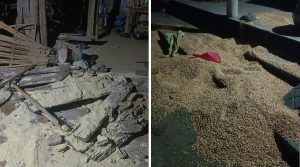
Nine days later, another adult wild male elephant, known as Sano Daare, was found dead in a paddy field in Belaka Municipality, Udayapur, about one kilometre from the boundary of Koshi Tappu Wildlife Reserve. The elephant had been living in the reserve area for more than a year.
Earlier, on September 16, a wild male elephant was found dead in a forest at Telpani in Mechinagar Municipality-3, Jhapa. The deaths bring the total number of wild male elephants killed this year to four.
According to Ashok Kumar Ram, chief conservation officer of Parsa National Park, nine wild male elephants were killed last year.
Ram, who holds a PhD in elephant ecology, warned that the continued deaths of male elephants could lead to a serious breeding crisis in the future.
“Fifty-eight elephants have died due to human causes in the past 15 years,” he said. “We have established a breeding centre in Sauraha, and male elephants also breed with privately owned female elephants. But what would be the point of a breeding centre if there were no wild male elephants left?”
He said the recent increase in male elephant deaths should prompt conservationists to take urgent action to protect them.
Wild male elephants are particularly important for genetic diversity and reproduction, as a single male can mate with dozens of females. Their deaths could therefore have consequences beyond the loss of individual animals.
“If wild male elephants are not protected, Nepal could face a major breeding crisis. This is an extremely worrying situation,” Ram said.
He described the deaths of four male elephants within roughly a month and a half as a serious and sensitive issue. He called for greater public awareness and improvements in conservation efforts, adding that authorities should review whether existing measures were adequate in practice.
Human-elephant conflict
Ram said farmers’ losses caused by wild animals often far exceed the compensation they receive. Under the current arrangement he described, farmers receive Rs 10,000 in compensation for crop damage, but the process of claiming that amount can itself cost them time and money.
“If farmers were given prompt relief after their losses were assessed, they would be less likely to set up dangerous electric fences,” he said. “We need to create a situation in which farmers are not distressed when wild animals damage their crops.”
He suggested that local governments could be made responsible for ensuring appropriate compensation for affected farmers.
Conservationists say most elephants killed using electric traps or poison are wild males. As human activities expand across the Tarai, elephant corridors are increasingly being disrupted, bringing people and elephants into closer conflict.
Baburam Lamichhane, a conservationist, said that around 11 to 12 elephants out of Nepal’s estimated population of roughly 200 are killed each year. He warned that if the trend continues, elephants could eventually disappear from the country.
Another wild elephant in Jhapa is currently seriously injured. The Department of National Parks and Wildlife Conservation and park authorities have arranged treatment to try to save it.
According to Ganesh Panta, a senior research officer at the department, technical staff and veterinarians from Chitwan National Park have travelled to the area to treat the elephant using a darting procedure.
Experts say elephants tend to follow routes used by previous generations. When these biological corridors are obstructed and human activity increases, elephants can become distressed, contributing to conflict with people.
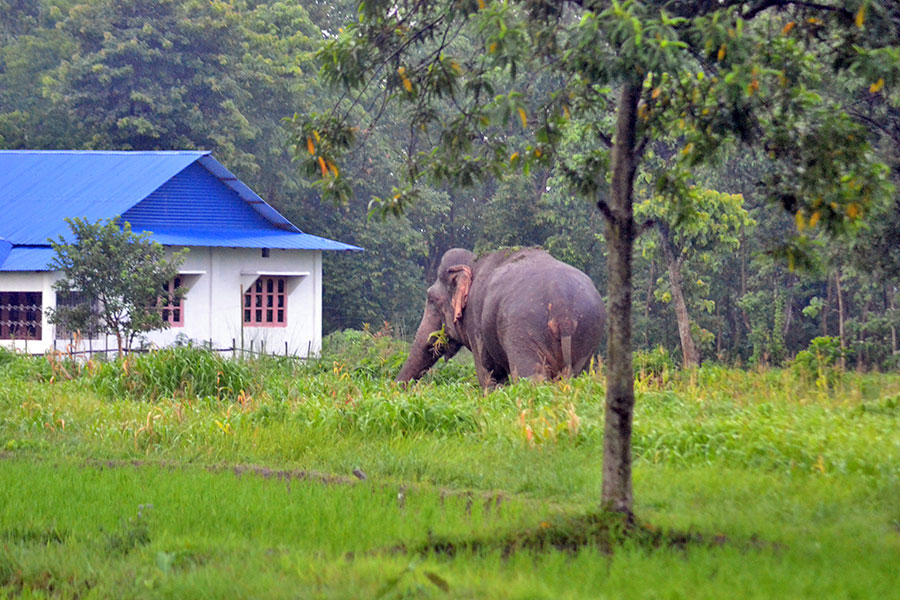
Male elephants that travel long distances to transfer genes between populations are particularly vulnerable. Experts also say elephants are attracted to ripening paddy fields while searching for preferred food, but they are increasingly being killed when they enter farmland.
Lamichhane warned that if elephants continue to die at the current rate, they could eventually become little more than an image on Nepal’s currency notes.