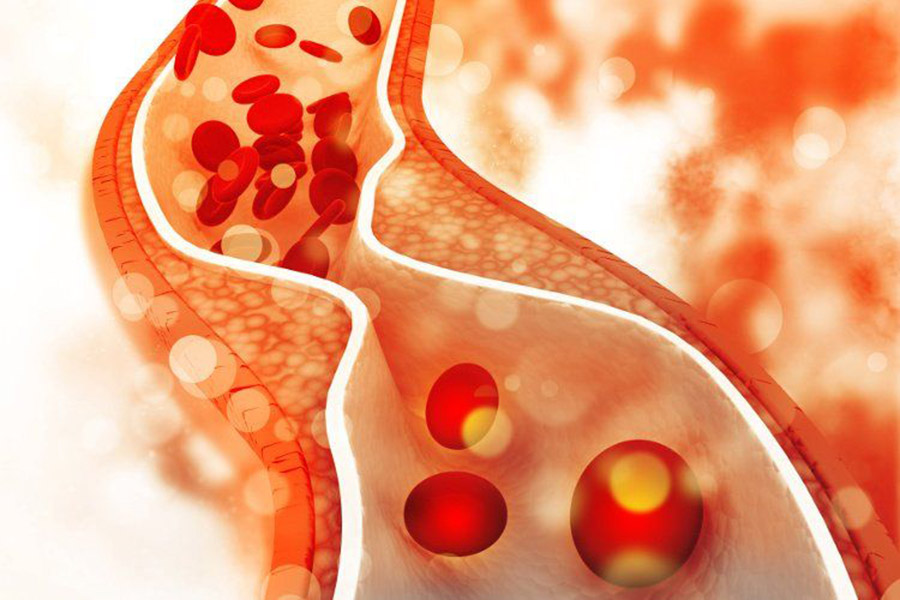
Cholesterol is essential for the body, but when blood lipids such as total cholesterol, LDL, VLDL, HDL, triglycerides, and chylomicrons rise above or fall below normal levels, the condition is medically known as dyslipidemia. This imbalance often develops silently, yet its impact on the heart and blood vessels can be serious. Understanding the warning signs and causes is the first step towards prevention and natural control.
Here, Dr Hemraj Koirala, who is a senior yoga and naturopathy physician and senior specialist in regenerative medicine, currently associated with Yogi Naraharinath Yoga and Naturopathy Hospital, Bharatpur, and Kathmandu University Yoga and Naturopathy Hospital, shares information related to cholesterol.
Warning signs you should not ignore
Dyslipidemia does not always show clear symptoms in the early stages, but as it progresses, the body starts sending signals. These may include pain in the legs while walking or standing, chest discomfort, shortness of breath, frequent indigestion or acidity, disturbed sleep, dizziness, and cold sweats. Some people may feel their heart pounding even at rest, experience nausea or vomiting, notice swollen veins in the hands, legs, abdomen, or neck, or even faint.
Important note: These symptoms often become more intense during physical exertion or periods of stress.
Why does cholesterol rise?
Several factors contribute to abnormal cholesterol levels. A family history of lipid disorders increases risk, as does advancing age, especially after 30. Postmenopausal women are particularly vulnerable. Excess body weight, abdominal fat, and a sedentary lifestyle play a major role, along with conditions such as type 2 diabetes, hypothyroidism, metabolic syndrome, polycystic ovarian syndrome, and chronic kidney or liver disease.
Lifestyle habits also matter. Smoking, excessive alcohol intake, overuse of medications, and diets rich in trans fats, saturated fats, and greasy foods significantly disturb lipid balance. In some cases, severe infections, digestive disorders, or sexually transmitted diseases can also contribute.
Why early awareness matters?
Unchecked dyslipidemia increases the risk of heart disease, stroke, and blocked arteries. The good news is that with timely awareness and natural lifestyle changes, cholesterol levels can often be brought under control before serious complications arise. Understanding your body’s signals today can protect your heart tomorrow.
The condition in which the levels of blood lipids such as total cholesterol, chylomicrons, LDL cholesterol, VLDL cholesterol, HDL cholesterol, and triglycerides are higher or lower than normal is medically known as dyslipidemia. Let’s explore natural ways to reduce cholesterol. These symptoms tend to worsen during physical exertion and stress.
Natural treatment measures:
- Weight reduction: People who are overweight are more prone to dyslipidemia. Maintaining an ideal body weight according to height is essential.
- Regular physical exercise: A sedentary lifestyle increases the risk of dyslipidemia. Making physical exercise part of a daily routine is important. Regular exercise increases HDL cholesterol and reduces total cholesterol, LDL cholesterol, and triglycerides. At least 30 minutes of aerobic exercise daily or five days a week helps control dyslipidemia effectively.
- Fasting: Fasting is considered a highly effective remedy for dyslipidemia. Among various methods, intermittent fasting, fasting for 16 hours and eating within an 8-hour window, is considered simple and practical. Proper fasting helps reduce high blood cholesterol levels.
- Adequate intake of fruits and green vegetables: To control cholesterol, it is recommended to consume five types of fruits daily, equivalent to one per cent of body weight, divided into two servings. For example, a person weighing 70 kg should consume about 700 grams of fruits at around 9 am and again at around 3 pm.
- Adopting zero-oil cooking methods: Excessive intake of oil, ghee, fat, fish, meat, and eggs is a major cause of high cholesterol. Those aiming to reduce cholesterol should adopt oil-free cooking methods. For healthy fat requirements, nuts and seeds such as cashews, almonds, flaxseeds, pumpkin seeds, sunflower seeds, and coconut should be consumed. Individuals with high cholesterol and triglycerides should avoid oil, ghee, and animal-based fats such as cheese, paneer, butter, fish, meat, and eggs.
- Quitting smoking: Dyslipidemia is common among smokers. Smoking increases bad cholesterol (LDL) and reduces good cholesterol (HDL). It also increases oxidation of LDL cholesterol, damaging the inner lining of blood vessels.
- Avoiding alcohol: Alcohol consumption commonly leads to dyslipidemia. It increases triglycerides and lowers HDL cholesterol. Alcohol also damages the liver and heart muscles, adversely affecting overall health.
- Avoiding sugar and refined carbohydrates: People with dyslipidemia should avoid sugar and refined carbohydrates, as these stimulate the liver to produce more cholesterol.
- Avoiding trans fats and hydrogenated fats: Hydrogenated fats, commonly known as vanaspati or dalda ghee, and trans fats found in animal-based foods increase lipid imbalance and raise the risk of heart and blood vessel diseases. Repeated frying of oils converts natural fats into harmful trans fats.
- Consuming fibre-rich foods: Adequate intake of fibre helps prevent heart disease, stroke, hypertension, diabetes, obesity, and digestive disorders. It also helps correct lipid imbalance by lowering triglycerides and LDL cholesterol while increasing HDL cholesterol. Both soluble and insoluble fibres bind bile acids in the intestine and promote their excretion through stool. As bile acids are lost repeatedly, the liver uses more blood cholesterol to produce new bile acids, thereby reducing blood cholesterol levels.
- Intake of omega-3 fatty acids: Omega-3 fatty acids significantly help reduce triglycerides and non-HDL cholesterol.
- Consumption of garlic: Garlic has been traditionally used as a lipid-lowering agent. It helps reduce triglycerides, non-HDL cholesterol, and blood pressure. Phytochemicals present in garlic inhibit cholesterol synthesis and prevent LDL oxidation.
- Consumption of fenugreek: Regular consumption of fenugreek helps lower blood cholesterol. It increases the number of LDL receptors in cells, and its compound 4-hydroxyisoleucine reduces fat accumulation.
- Consumption of ginger: A 2018 study showed that consuming 5 grams of ginger daily reduced LDL cholesterol by up to 17.4 per cent within three months.
- Use of medicinal herbs: Various herbs used in traditional Chinese medicine and Ayurveda such as garlic, fenugreek, ginger, triphala (harro, barro, amla), guggul, arjuna, basil, turmeric, green tea, flaxseed, guduchi, bitter gourd, amla, neem, ginseng, banana seeds, and cinnamon help effectively reduce cholesterol.
- Consumption of rice bran oil: Rice bran oil helps lower blood cholesterol. It contains 38 per cent monounsaturated fat, 37 per cent polyunsaturated fat, and 25 per cent saturated fat. It is also rich in antioxidants like gamma-oryzanol, vitamin E, and phytosterols. Consumption of rice bran oil has been found to reduce bad cholesterol, increase good cholesterol, and lower triglycerides.
- Stress management: Mental stress can increase cholesterol and triglyceride levels. Therefore, stress management is essential while working to reduce cholesterol.
- Drinking adequate water: Insufficient water intake can contribute to cholesterol problems. To prevent high cholesterol, one should drink adequate water and consume water-rich fruits and vegetables, as well as green tea.