Kathmandu, August 31
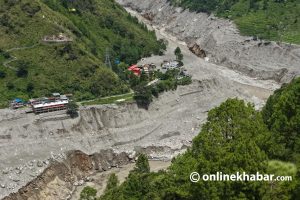
The US government has updated its travel advisory for Nepal, urging citizens not to travel for any reason to the Rasuwagadhi-Timure-Syafrubesi area of Rasuwa district or to the Nepal-China border crossing area.
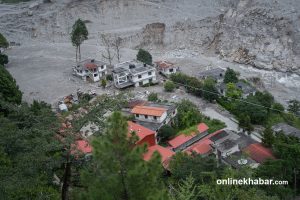
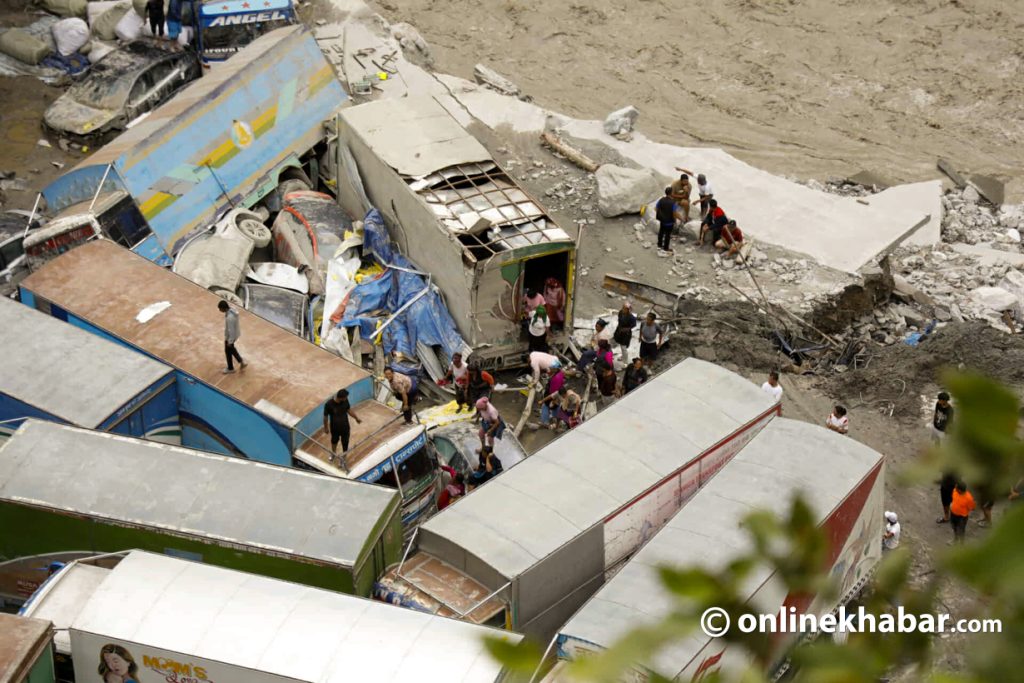
According to the US government, following the major flood of August 26, roads, transportation, and communication services in the area have been disrupted, and search, rescue, and recovery operations remain ongoing, keeping risk levels high. The advisory also notes the possibility of further flooding and landslides.
The US has placed the affected area under “Level 4: Do Not Travel.” The affected zone includes settlements along the Bhotekoshi, Trishuli, and Narayani rivers.
The US government advises against going near riverbanks, low-lying areas, damaged bridges, and unstable slopes. It also urges compliance with any evacuation or relocation orders issued by Nepali authorities.
US citizens have been warned not to enter disaster-affected areas on their own, including to search for missing persons, and not to travel to the area for any reason.
Risk of unrest in Nepal
The US government has placed Nepal overall under “Level 2: Exercise Increased Caution,” citing civil unrest as the main reason.
The US assessment states that the nationwide protests that began in September 2025 have since stopped, and the security situation is currently stable. However, it warns that protests and local unrest, especially in cities, could resume.
Since protests can begin with little notice and sometimes turn violent, citizens are advised to stay away from large crowds and demonstrations and to follow the instructions of local authorities.
Limited health care
The US government notes that Nepal’s health and emergency services have limited capacity to manage both routine and emergency care.
While Kathmandu’s hospitals are generally better equipped than those elsewhere in the country, the advisory notes they can be overcrowded, may lack certain necessary equipment or medicines, and sometimes require payment before treatment.
The Nepal government does not cover treatment costs for foreign nationals. The US government therefore advises carrying necessary medications, obtaining travel health insurance that includes medical evacuation coverage, and being prepared to travel to another country for treatment in case of a serious health issue.
Risk of earthquakes, floods, and landslides
The US government notes that Nepal faces regular risks of earthquakes, floods, and landslides. It states that earthquakes can strike without warning in the Kathmandu Valley and other regions.
It warns that heavy rainfall during the monsoon season, particularly from June through September, can trigger flash floods and landslides, which may block roads, damage buildings, and complicate emergency rescue efforts.
Advice for US citizens travelling to Nepal
For those who decide to travel to Nepal, the US government advises enrolling in the Smart Traveller Enrollment Program to receive important updates and emergency alerts from the US Embassy or consulate, and to review Nepal’s security report.