
A familiar, recognisable voice is echoing somewhere. The lyrics are well-written. The melody is captivating. It is the kind of song you feel like listening to again and again. Eventually, curiosity arises: who is the artist behind such a sweet song?
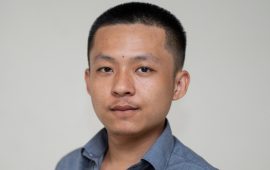
Sitting in a café in Baneshwor, 22-year-old Yaman Shrestha was working while listening to music. He usually plays songs in the background while working. But one particular song caught his attention. He liked the voice. He then checked the description and title. It felt like a new music band. When he visited the channel, he finally realised that the song had been created with the help of AI. The channel uploads only AI-generated songs.
This is a personal experience. But AI-generated songs with a similar ability to mislead listeners have now begun to flood social media. Whether it is “Aditya Shrestha’s Pahilo Haaso, Pahilo Bol, Sab Yaad Chha…” or the viral snippet of “Piyara Piyari,” there are many such examples. Many people have even created YouTube channels dedicated to regularly uploading AI-generated songs.
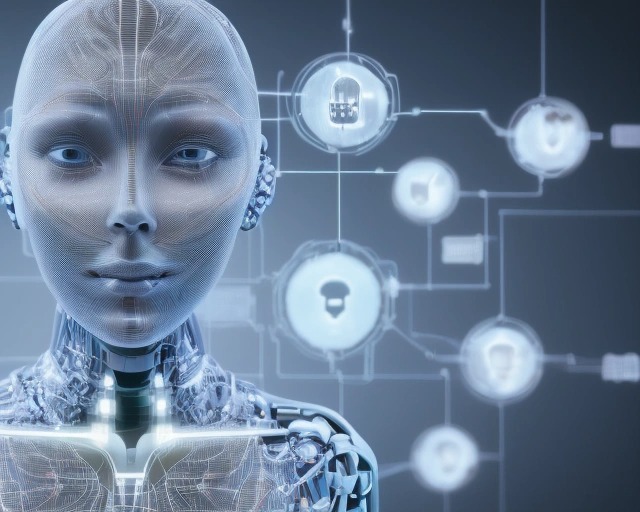
Behind all this lies the growing capability of AI tools. Today, AI can produce creative works such as text, videos, photos, and music. These tools are easy to use and widely accessible. As a result, AI-generated content is appearing everywhere, experts say.
However, alongside its positive aspects, there is also a worrying side. According to an article in The New York Times, the use of AI poses a risk to many artists and businesses that own creative works. AI can closely replicate human-made creations, weakening the market. Moreover, AI can use artists’ works as training data without their consent.
So far, no public cases have emerged in Nepal involving the theft of creators’ works for AI training, legal disputes with AI companies, or organised opposition by artists against AI tools. Nevertheless, experts say AI has already had a noticeable impact on music creation and audience behaviour.
AI tools such as ChatGPT, Copilot, and Suno are trained on large datasets and generate outputs based on that training. Without data, AI tools cannot function, and a lack of data results in poor outputs.
According to the same New York Times article, three major debates are currently taking place worldwide: what creators should receive in return, whether “fair use” applies, and who owns AI-generated content.
In short, Western artists are demanding that their consent be taken and fair compensation provided if their work is used to train AI. Copyright protection currently applies only to human-created works. The answers to the remaining questions, however, remain unclear.
In this context, it is necessary to examine Nepal’s situation. Are Nepali artists aware of this trend? What kinds of risks does AI pose to them? What do Nepali artists think about AI? What impacts and opportunities is AI creating for Nepali artists?
As AI-generated music continues to blur the line between human creativity and machine production, Nepal finds itself at an early but critical crossroads. While the technology offers new possibilities for experimentation, accessibility, and innovation, it also raises serious questions about artistic ownership, consent, and fair compensation.
With limited awareness, weak legal safeguards, and little public debate so far, Nepali artists risk being unprepared for the long-term consequences of this rapidly evolving trend. Moving forward, informed discussion, policy clarity, and collective engagement from artists, platforms, and regulators will be essential to ensure that AI becomes a tool that supports creativity rather than undermines it.