

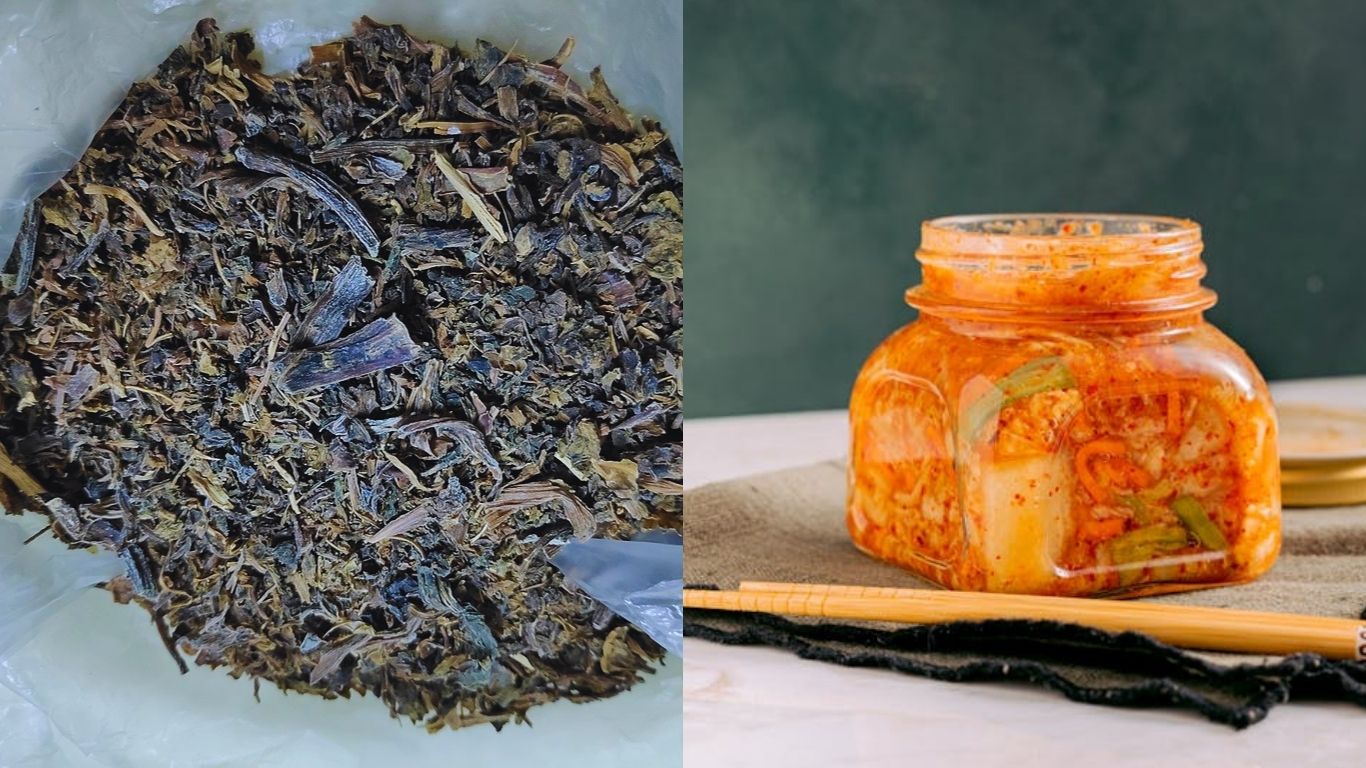
Growing up, gundruk and mula ko achaar were two of my absolute favorite dishes, especially when prepared by my grandmother. A small side of these tangy, fermented delicacies could elevate any meal. Years later, as an undergraduate biology major keen to dive into research, I was thrilled to study the microbiomes of fermented foods in the Genetic Heritage Group, led by Professor Aashish Jha at New York University Abu Dhabi, in collaboration with Sabitri Sciences in Bhaktapur, Nepal.
Traditional fermented foods are more than tasty dishes, they are living ecosystems, shaped over centuries of human culture and practice. Studying them allows us to uncover the hidden microbial communities that give these foods their unique flavors, taste, textures, and potential health benefits. At a time when industrialized, ultra-processed foods dominate our diets, traditional ferments offer a window into natural microbial diversity and how it may nurture human health.
In this study, our team collected 90 fermented food samples from Nepal as well as Ethiopia, South Korea, and Kazakhstan. These represented a wide range of fermentation traditions: vegetable-based foods like gundruk, kimchi, oiji, taama, awaze, datta, fermented plum, and various achars; legume-based masyaura and fermented soybean; dairy products such as dahi, ayib, cheese, and chhurpi; meat-based items like sukuti and fermented shrimp; and cereal-based difo dabo, injera as well as alcoholic beverages like chhyang and its starter culture marcha.
Thanks to our diverse team of researchers, we brought together this rich array of traditional fermented foods from around the world–and turned our focus to a world invisible to the naked eye: the microbial ecosystems that drive these foods’ unique flavors, taste, and health benefits.
Our analysis revealed that these foods were teeming with microbial life. We identified 104 bacterial and 91 fungal species in food samples, most of them traditionally fermented in our own households. The most common bacterial groups were lactic acid bacteria (LAB) and Bacillales, whereas Saccharomyces were the most prevalent fungi in these foods. LABs were particularly abundant in vegetable-based ferments, while Bacillales were more prevalent in meat- and legumes-derived products.
We found that the main factor shaping the microbial communities was the type of food substrate–whether the ferment was made from plant, meat, dairy, legumes or cereals. Other factors, like the use of oil and salt, fermentation duration, and shelf-life, also influenced which bacteria were present. Interestingly, foods older than 1 year had a higher abundance of Lactobacillus that produce acidic flavor. In contrast, the fungal composition was mainly affected by the use of starter culture and the length of fermentation.
One remarkable finding was that these microbes didn’t just coexist– they formed intricate networks that differed between food types. For example, bacteria like Lactobacillus delbrueckii, Brevibacterium and Corynebacterium co-occured with the fungus Debaryomyces nepalensis in dairy foods. In vegetable ferments like taama, sour-flavor-producing Lactobacillus acetotolerans interacted positively with acid-tolerant fungus Issatchenkia orientalis. Many Lactobacillus species were, in turn, negatively associated with fungi like Rhizopus and Mucor. These are fungi that are usually considered bad because they are present in spoiled food, but these were abundant in chhyang and marcha, indicating the roles of these fungi in food fermentation remains underappreciated. Meanwhile, Bacillus species thrived in the protein-rich meat and legumes, and often competed with many Lactobacillus species.
We also explored what these microbes may be doing. Many carried genes linked to health-related metabolic processes. Plant based fermented foods were enriched with bacteria that carried genes for breaking down carbohydrates and producing vitamins such as folate biosynthesis, retinol (Vitamin A), and thiamine (Vitamin B1). In contrast, bacteria in fermented dairy, legumes, and animal products showed higher activity in amino acid metabolism and Vitamin B6 metabolism.
Taken together, our results suggest that different types of fermented foods are not just culinary treasures—they are living libraries of microbial diversity. Eating a variety of fermented foods–vegetables, cereals, dairy, legume and meat-based–could offer the broadest spectrum of microbial and nutritional benefits. Studying these foods is crucial: it preserves cultural knowledge, uncovers potentially health-promoting microbes, and can guide the creation of new, functional foods.
Despite the interest in fermented foods, most scientific research and databases focus on European or industrialized products. This leaves much of the world’s microbial diversity–such as those in Nepali fermented foods–undocumented. By studying traditional ferments globally, our research begins to fill this gap, providing insights into microbes that produce unique flavors, nutritional benefits, and health benefits, and culturally rooted practices. In the future, this work could help create a more complete global picture of the microbial world in foods and inspire healthier, culturally informed diets.
Although I have started my graduate school at the University of Colorado Boulder, at Sabitri Sciences in Bhaktapur, Nepal, my colleagues continue this work on a larger and broader scale to encompass a large variety of Nepali fermented foods in collaboration with Professor Jha’s lab at NYUAD. Their explorations into the functional potential of these microbes and traditional fermentation knowledge can guide the design of foods with optimized taste, nutrition, and health benefits. This team is committed to documenting and preserving traditional fermentation practices rooted in indigenous knowledge, by engaging directly with local communities across Nepal in scientific discovery.