
Rukum East, July 21
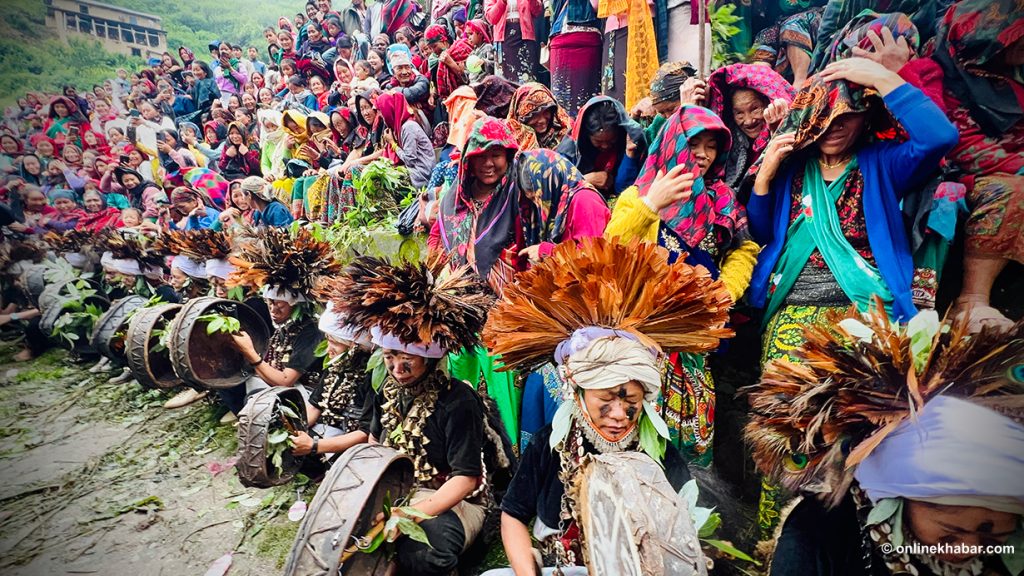
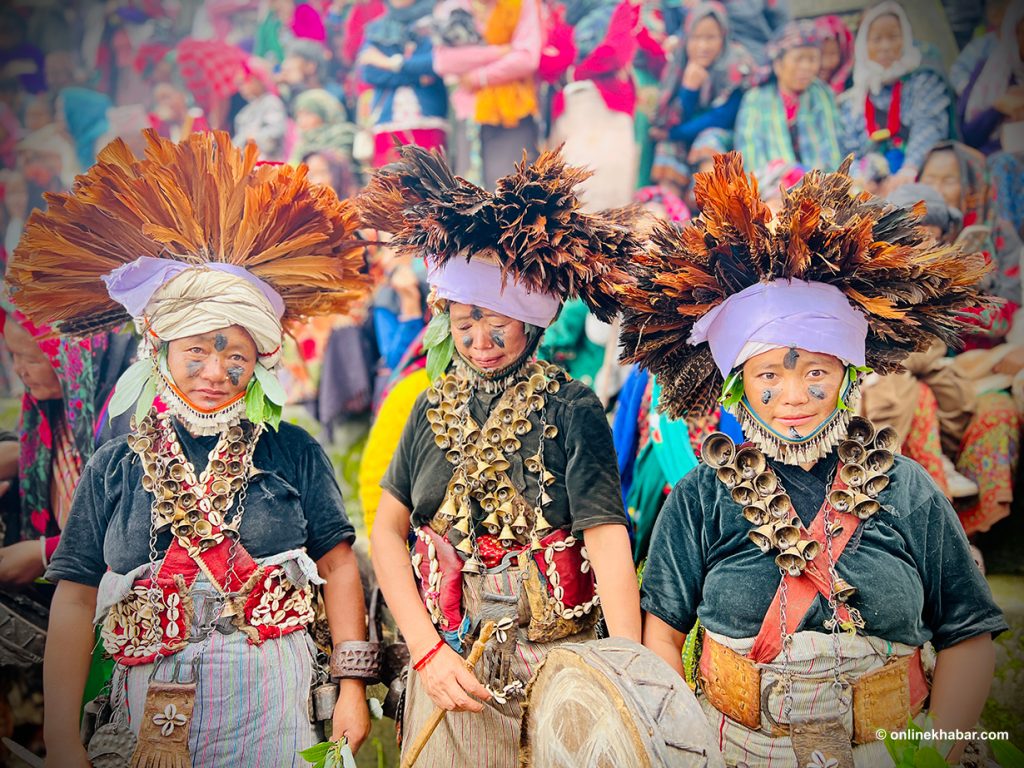
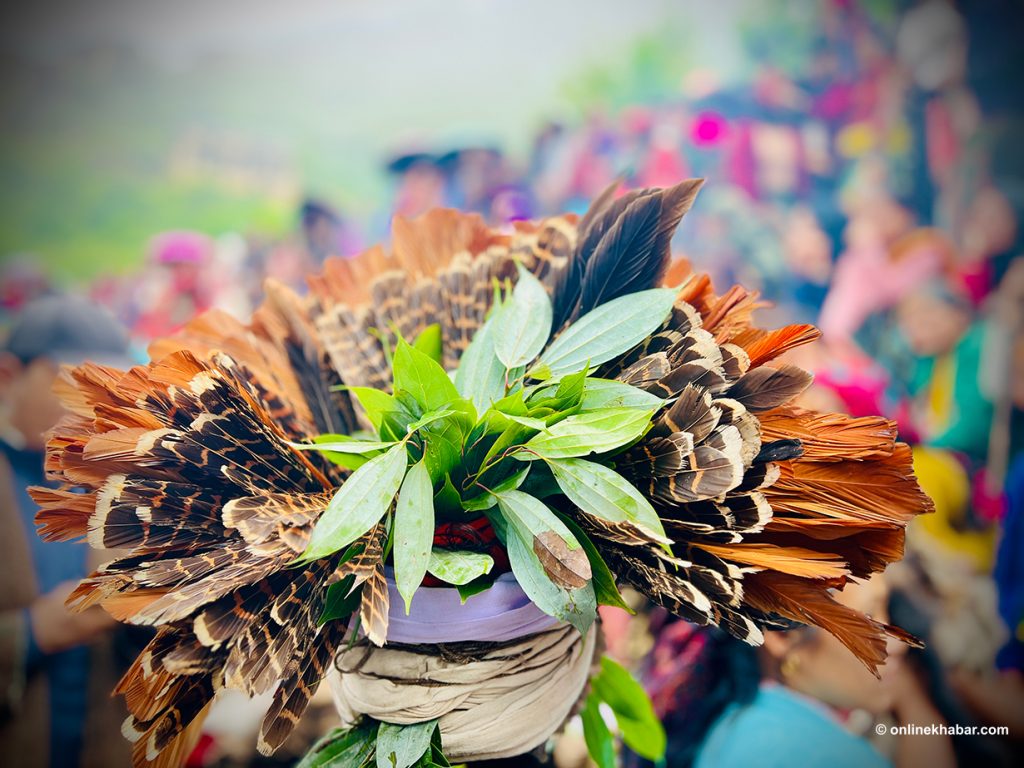
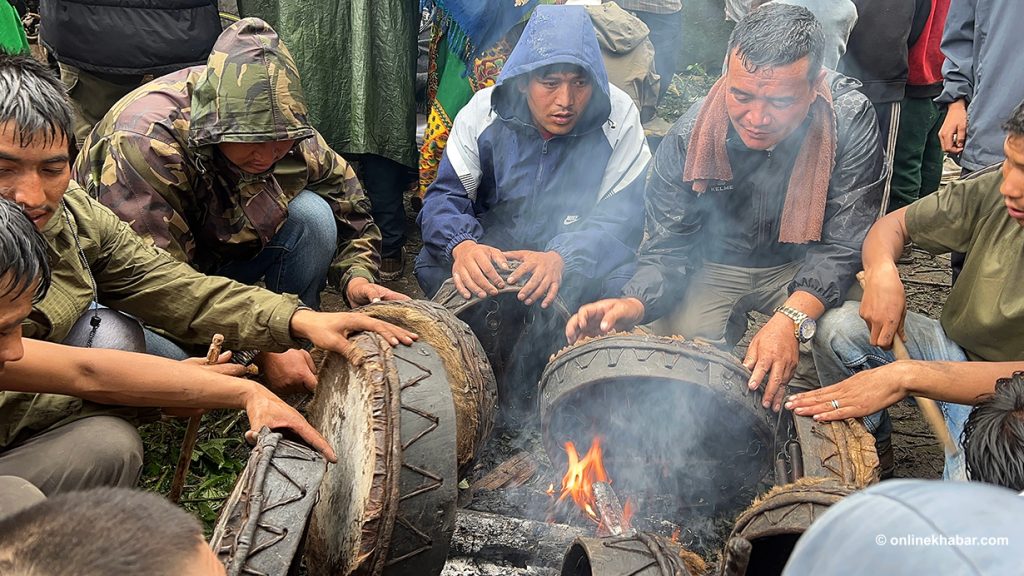
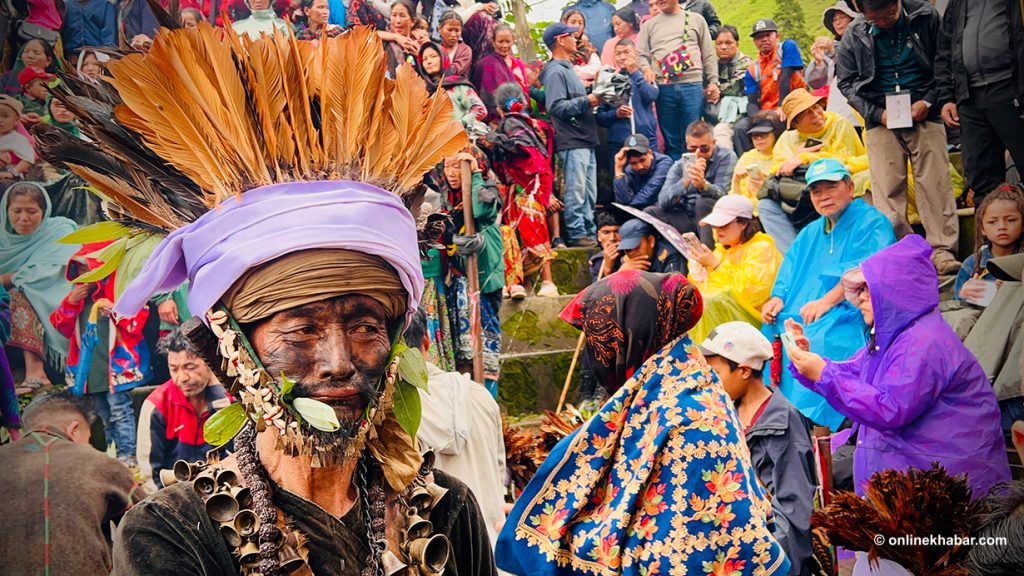
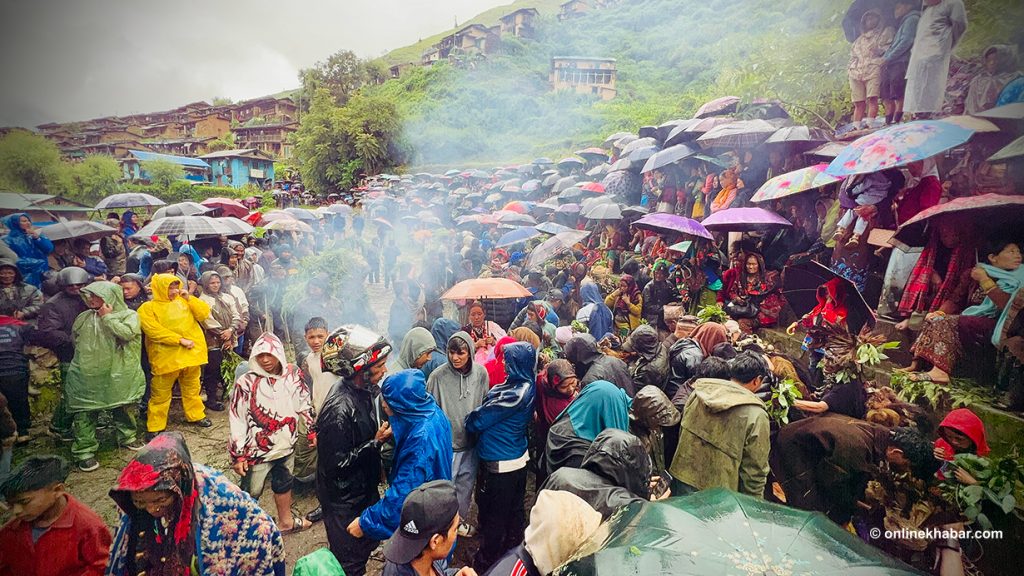
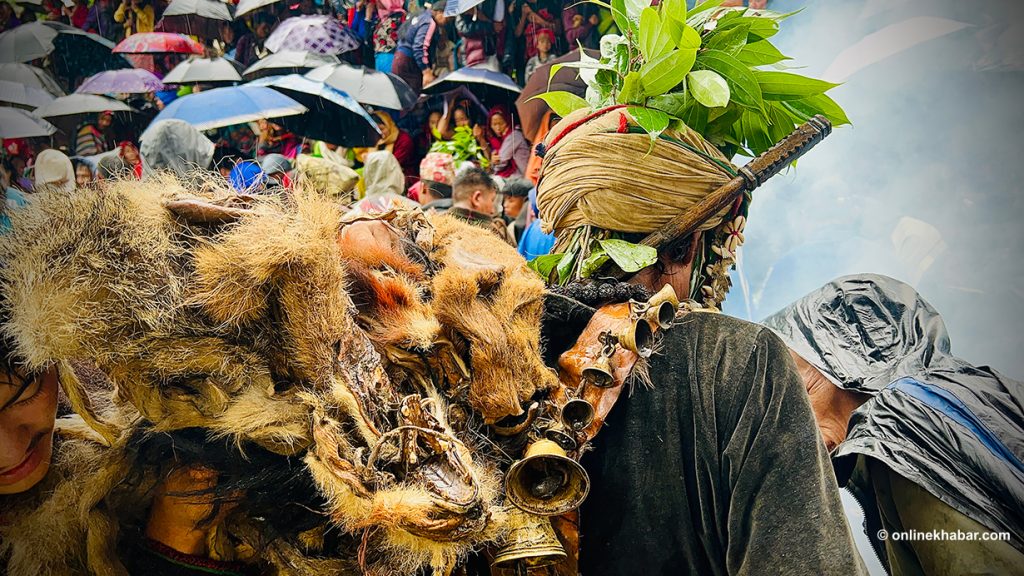
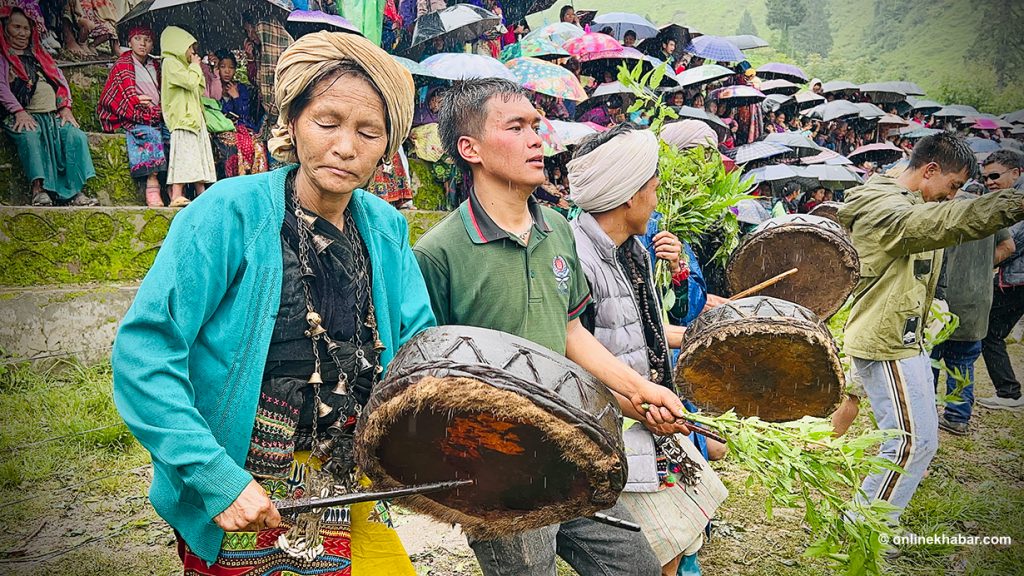
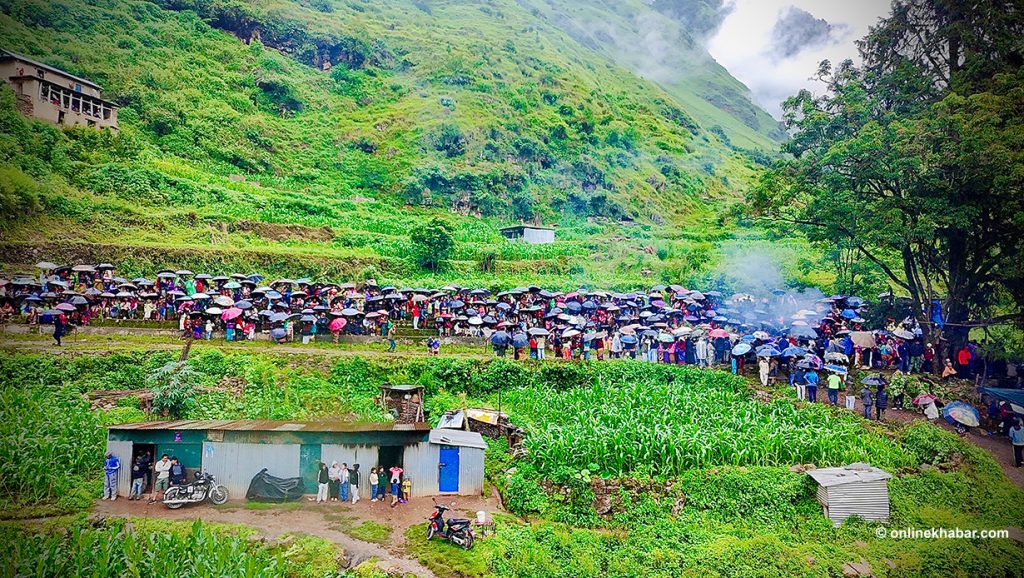
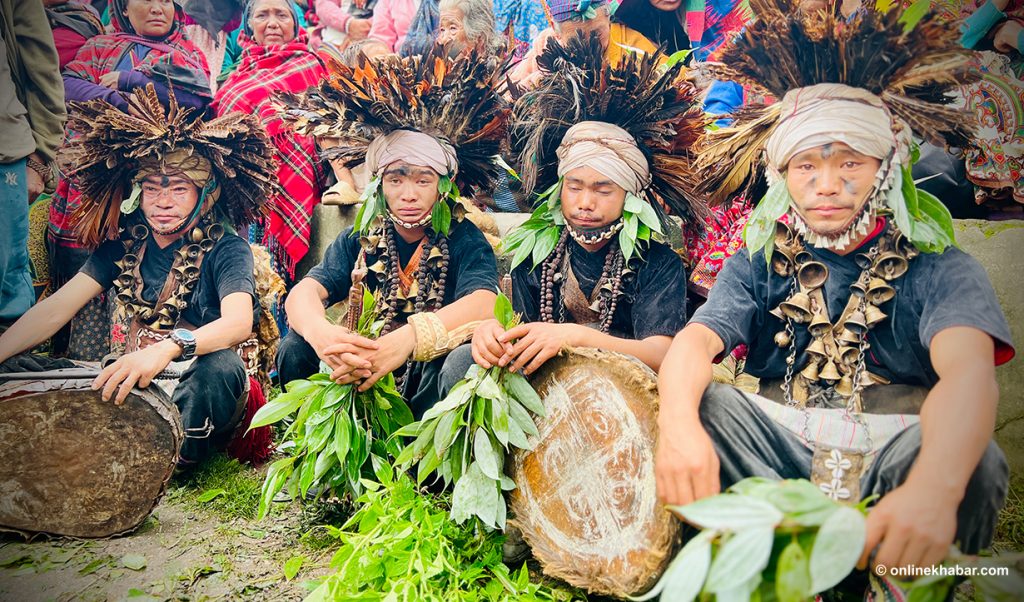
People gather in the open ground at the heart of the Himalayan village of Lugum. Before long, the resonant beat of the dhyangro (traditional shamanic drum) echoes across the settlement, while the fragrance of incense fills the air. One after another, shamans—adorned with feathered headdresses, bronze bells, traditional ornaments, and colourful attire—enter the gathering ground.
While shamanic traditions have gradually disappeared from many parts of Nepal with the march of modernity, they remain remarkably alive in Lugum, Ward No. 1 of Bhume Rural Municipality in Rukum East.
Modern medical science does not recognise or validate shamanism, ritual healing, or spiritual incantations as medical treatment.
For the people of Lugum, however, the shamanic tradition has endured not primarily as a form of healthcare but as an important expression of their cultural identity. The annual Shaman Festival, held on the first Tuesday of the Nepali month of Shrawan, celebrates a way of life passed down through generations.
For the local community, the festival is an opportunity to honour their ancestors, strengthen social bonds, and keep their cultural heritage alive.
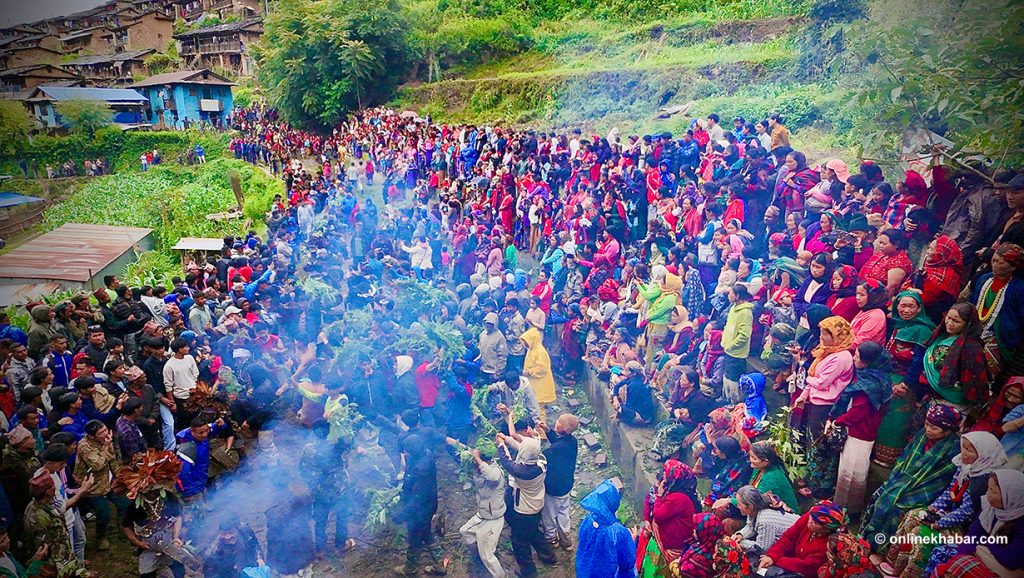
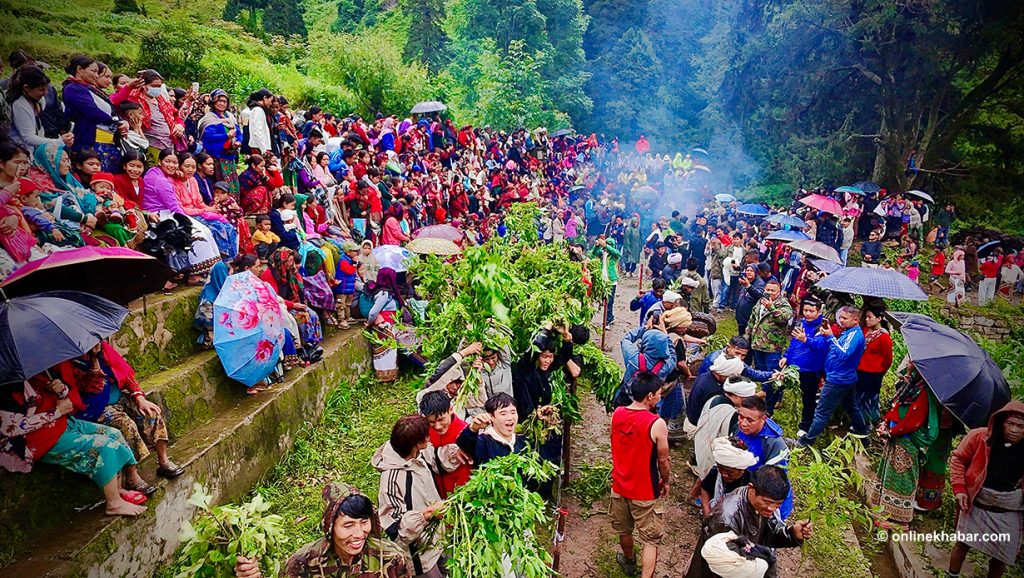
On the day of the festival, Lugum is filled not only with residents but also with relatives and visitors from various districts. Shamans dance together to the rhythmic beat of the dhyangro, transforming the village’s atmosphere. For the community, the occasion is far more than entertainment—it is a day to remember ancestral wisdom, beliefs, and identity.
More than four dozen shamans remain active in Lugum today. One distinctive feature of the village is that women perform the role of shamans alongside men on equal footing. Sacred chants, rituals, and practices continue to be handed down from teacher to disciple, often within the same family.
According to local belief, shamans are more than ritual healers. They are regarded as custodians of the village’s spiritual life, social values, and cultural heritage. The festival also brings together masters and their disciples, allowing elders to pass on sacred chants and ritual knowledge. Shamans review one another’s spiritual practices and conduct religious ceremonies seeking the well-being of the community while addressing both auspicious and inauspicious signs.
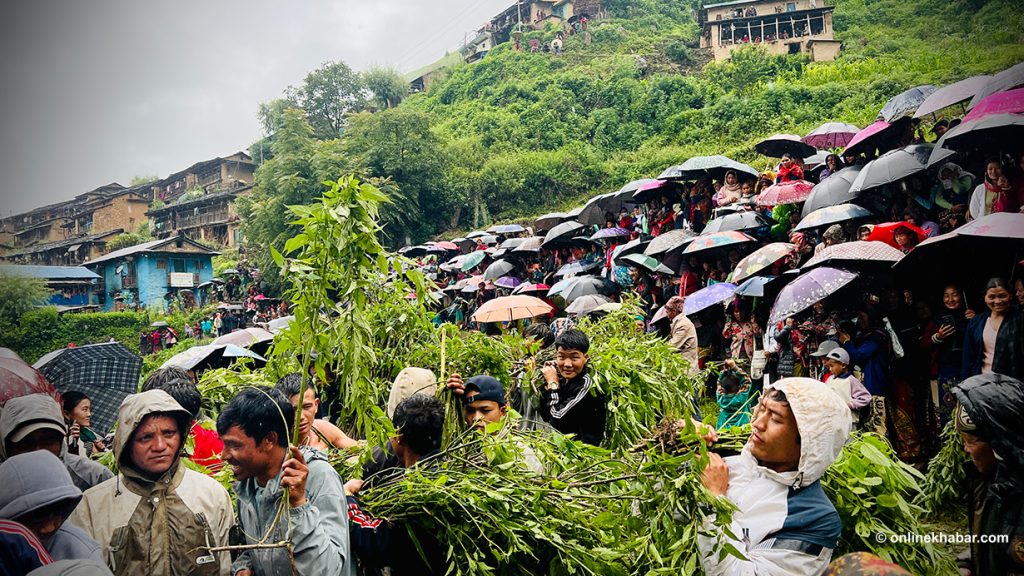
Perhaps the most striking feature of the festival is the sisno (stinging nettle) ritual. Shamans’ close relatives, nephews and nieces, village youths, and other participants playfully strike one another with stinging nettles. While the practice may appear unusual to outsiders, the local community regards it as a cultural rite of purification. They believe it helps cleanse the body of impurities, protects against illness, and wards off negative forces.
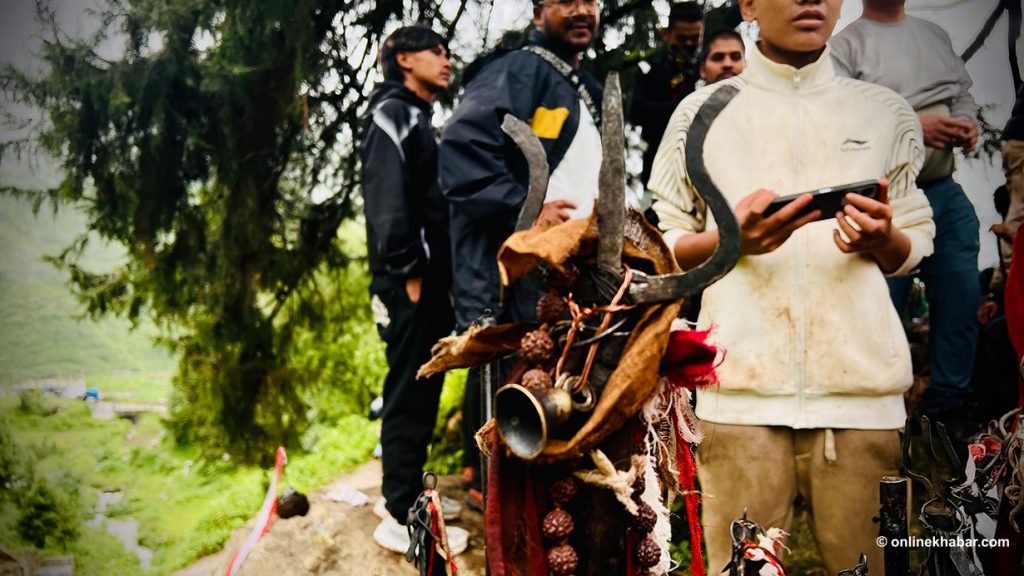
The shamans’ attire itself serves as a living cultural record. Wearing feathered crowns, strings of bronze bells around their necks, traditional ornaments across their bodies, and carrying dhyangro drums, they dance in unison across the village square, turning it into what resembles an open-air cultural museum. Every face, every costume, and every rhythm tells a story of traditions preserved through generations.
As science and technology continue to advance rapidly, many indigenous cultures around the world face the risk of disappearing. Lugum, however, has safeguarded its unique identity for generations.
Even more encouraging is the active participation of the younger generation, who continue to learn from their elders and embrace the tradition. This continuity has ensured that Lugum’s shamanic heritage is not merely a memory of the past but a living cultural legacy that continues to thrive today.
As the final beat of the dhyangro fades, the festival comes to an end. The village square gradually empties. Yet the rhythm that echoes through the hills of Lugum lingers in the community’s memory, waiting to return with the first Tuesday of Shrawan next year.