

Kathmandu, September 17
Foreign Minister Shishir Khanal has said the government is working on a long-term plan to advance Nepal’s agenda for climate justice, including by consolidating existing research and developing new studies on climate-related risks.
Speaking at a meeting of the House of Representatives’ International Relations and Tourism Committee on Thursday, Khanal said the government was looking beyond short-term discussions and was considering institutional mechanisms that would allow Nepal to pursue the issue consistently.
“This should not remain merely a subject for discussion. I have also been drawing the attention of the prime minister to these issues,” Khanal said. “We need to work on longer-term institutions and design, keeping the timeline in mind.”
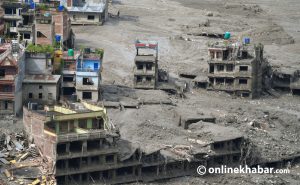
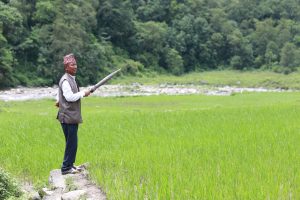
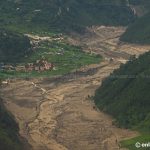
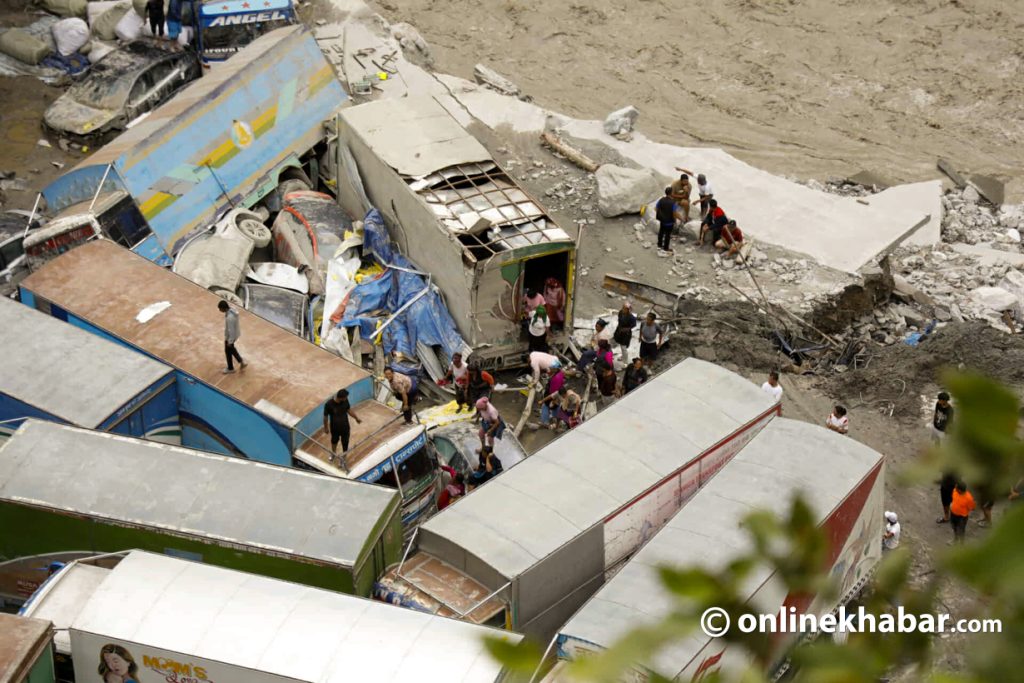
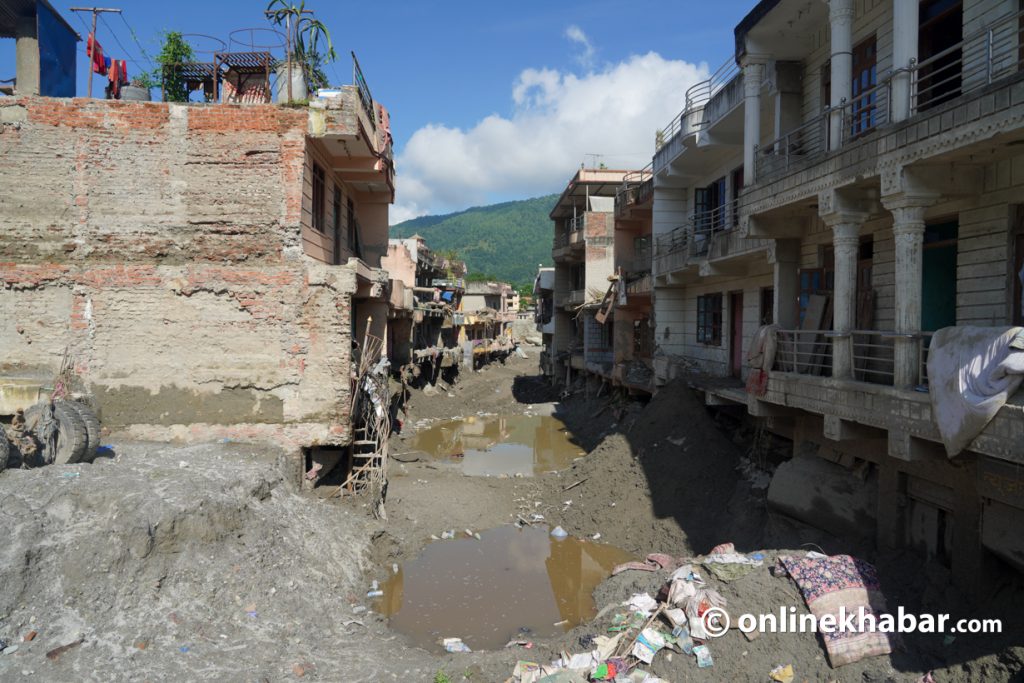
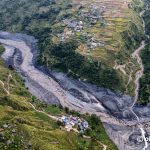
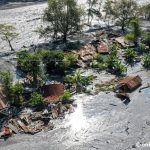
The remarks come in the aftermath of the devastating Bhotekoshi floods in Rasuwa on August 26, which caused extensive damage along river corridors in Rasuwa, Nuwakot, Dhading and Chitwan.
The government has linked the disaster to the broader risks posed by climate change. A government expert committee formed this week is also studying the scientific causes and sequence of the flood, including the possible role of climate change.
Khanal said the government was examining how Nepal could respond to such risks in a sustainable manner.
“We need to rethink governance as well,” he said, adding that he had been raising issues highlighted by experts and lawmakers in his briefings and discussions with the prime minister.
Building a national climate position
The parliamentary committee meeting focused on Nepal’s vulnerability to climate change, climate justice, international cooperation and access to climate finance.
Experts also discussed how Nepal could present its climate-related concerns more effectively on international platforms.
Khanal said one of the immediate priorities should be to strengthen Nepal’s knowledge base.
“The issue we need to think about now is study, research and knowledge creation,” he said.
He said studies conducted in Nepal and abroad on the Himalayan region should be brought together and reviewed collectively.
“Bringing together the studies and research conducted in Nepal and outside Nepal on the Himalayan region and developing a consistent national position from them is an important aspect,” he said.
Khanal said Nepal needed to develop a stronger evidence-based position so that it could present its concerns clearly at international forums.
Nepal has already sought international support following the Rasuwa floods. The government submitted an initial claim of $20 million to the UN-backed Fund for Responding to Loss and Damage, arguing that the disaster was linked to climate change.
The fund’s board has since said consultations are under way to consider options for responding to Nepal’s request for emergency assistance.
Climate diplomacy ahead of UN General Assembly
The discussion in the parliamentary committee comes as Prime Minister Balendra Shah prepares to lead a Nepali delegation to the United States to attend the 81st session of the United Nations General Assembly next week.
The Rasuwa disaster is expected to form an important part of Nepal’s international climate agenda.
Khanal said Nepal’s participation in the General Assembly would provide an important opportunity to present the country’s diplomatic and international priorities.
He also said suggestions raised by experts and lawmakers during the committee meeting would be conveyed to Prime Minister Shah.
“I will draw the prime minister’s attention to the suggestions received today,” Khanal said.
He added that he would also consult former prime ministers and hold further discussions on the issues raised.
Nepal has increasingly sought to frame climate change not only as an environmental issue but also as a question of justice, given the country’s relatively small contribution to global emissions and its exposure to climate-related risks.
Khanal has previously called for stronger international action, including support for countries facing disproportionate impacts from climate change.
He has also stressed the need for long-term institutional structures to ensure that Nepal’s climate diplomacy does not depend solely on individual international conferences or short-term initiatives.
The government is now looking to consolidate research, strengthen its institutional capacity and develop a consistent national position as it prepares to take Nepal’s climate justice agenda to international forums.