

When Prime Minister Balen Shah addresses the UN General Assembly on September 24, the 15-minute speech must abandon the tired script of a victim pleading for charity. Frontline nations have catalogued their suffering for decades, only to receive polite sympathy and loans. The General Assembly is an arena for international diplomacy and legal accountability, not an international donor conference.
Nepal comes with a strong case: it contributes a tiny share of global emissions — around 0.1% in recent estimates — and just 0.01% of cumulative global CO₂ emissions since 1751.
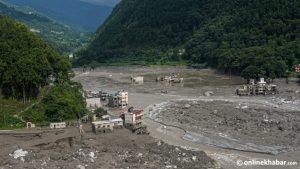
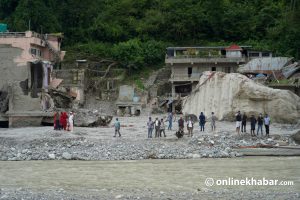
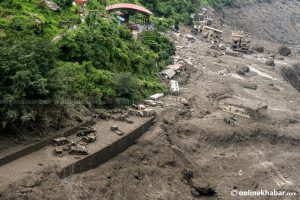
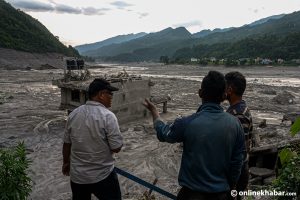
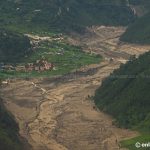
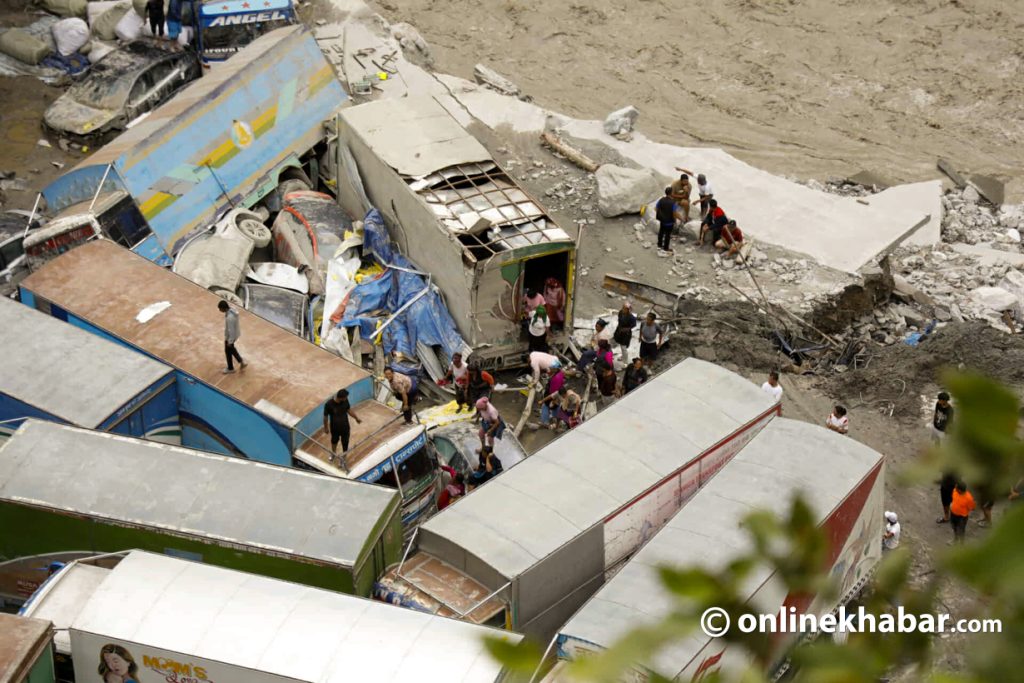
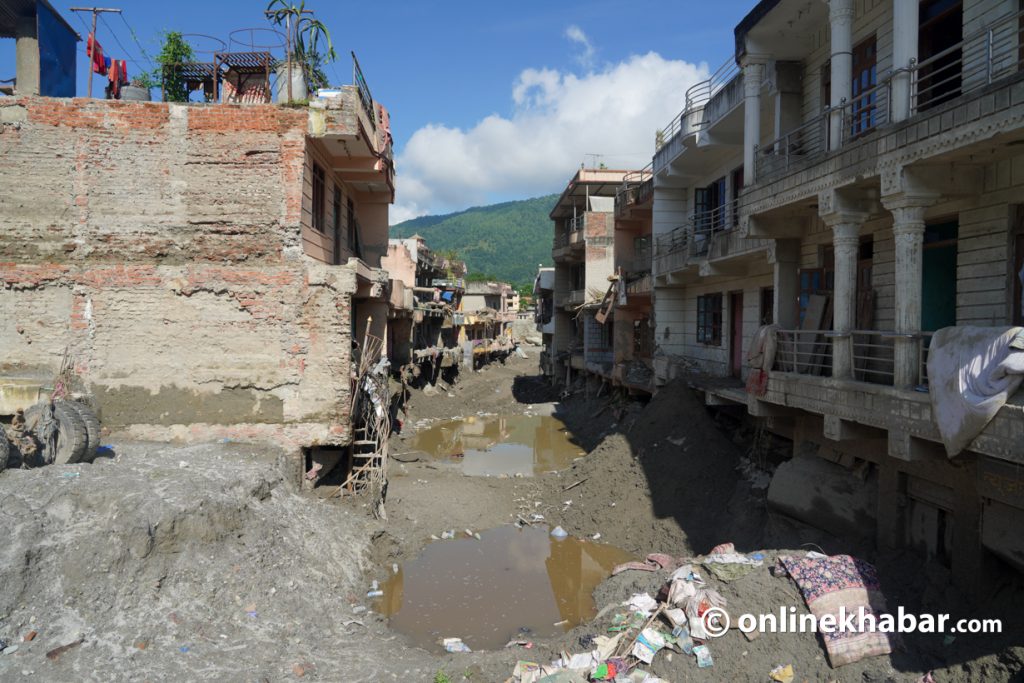
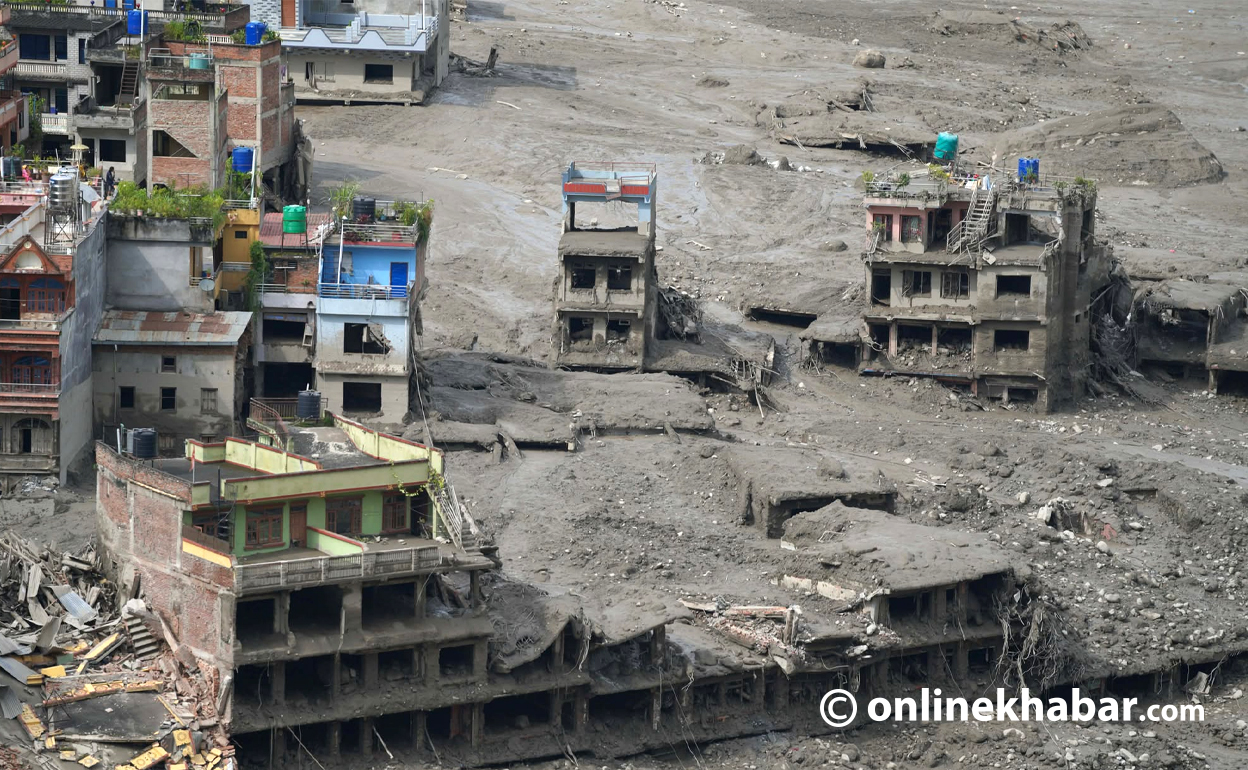
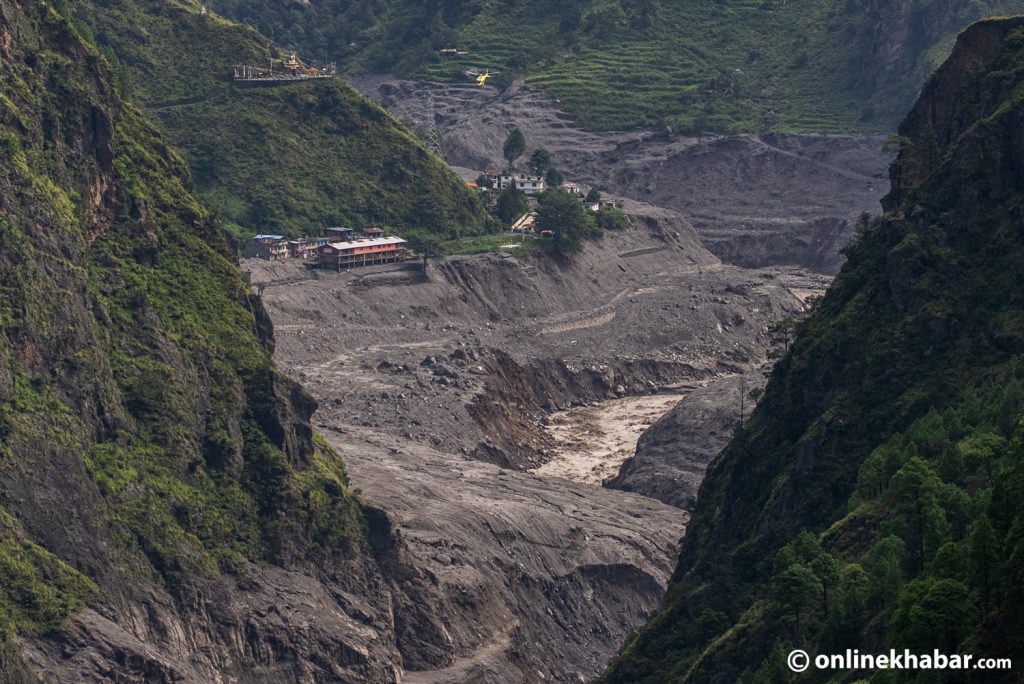
Yet on August 26, cryospheric collapse struck with devastating force. An ice, rock and soil mass failure in the Langtang region triggered a massive flood that swept through Rasuwa and downstream districts, destroying settlements and critical infrastructure, disrupting hydropower generation and severing Nepal’s northern trade corridor with China. More than 1,300 people have been reported dead, with thousands still unaccounted for. Damage and recovery needs are estimated in the billions of dollars.
The multilateral safety net remains far smaller than the need. More than 100 countries have reportedly sought around $3 billion through the UN’s Loss and Damage Fund, while only around $400 million has been deposited. The Fund itself reports $822.06 million in pledges as of March 2026, illustrating the gap between announced resources and money actually available for financing.
As historic polluters fall short of climate-finance commitments, frontline states are left to compete for limited resources or borrow to survive disasters they did little to cause. With the water security of some two billion people downstream at stake, Nepal should not approach the UN simply as a recipient of aid. It should press for climate justice through eight enforceable, rights-based mandates.
Reframing cryospheric collapse as a transboundary injury
The Hindu Kush Himalaya — the planetary “Third Pole” — holds the largest concentration of ice outside the polar regions and serves as the Water Tower of Asia, with its snow and ice providing freshwater for around two billion people. ICIMOD assessments project that, under current emissions pathways, up to 80% of the region’s current glacier volume could disappear by 2100.
When glacial systems destabilise and flash floods tear through Nepal’s valleys, the consequences do not stop at national borders. They represent a wider transboundary threat to a vital planetary commons, driven in part by global emissions and requiring stronger international accountability and non-repayable finance.
Grounding claims in customary international law
Nepal’s position can be grounded in established principles of public international law. The customary “no-harm” principle, reflected in cases including Trail Smelter and Pulp Mills, requires states to exercise due diligence to prevent significant environmental harm.
The International Court of Justice’s proceedings on the obligations of states in respect of climate change have further clarified the central role of states’ existing international legal obligations in addressing climate change. Nepal itself submitted a written statement to the Court in that proceeding.
A failure to adequately regulate emissions, or continued support for activities that contribute significantly to climate harm, raises questions of international responsibility that Nepal should place firmly on the diplomatic agenda.
Protecting mountain peoples and codified human rights
The Himalayan crisis is also a human rights emergency. Climate impacts can threaten the rights to life and an adequate standard of living under the International Covenant on Civil and Political Rights and the International Covenant on Economic, Social and Cultural Rights. The UN General Assembly has also recognised the human right to a clean, healthy and sustainable environment in Resolution 76/300.
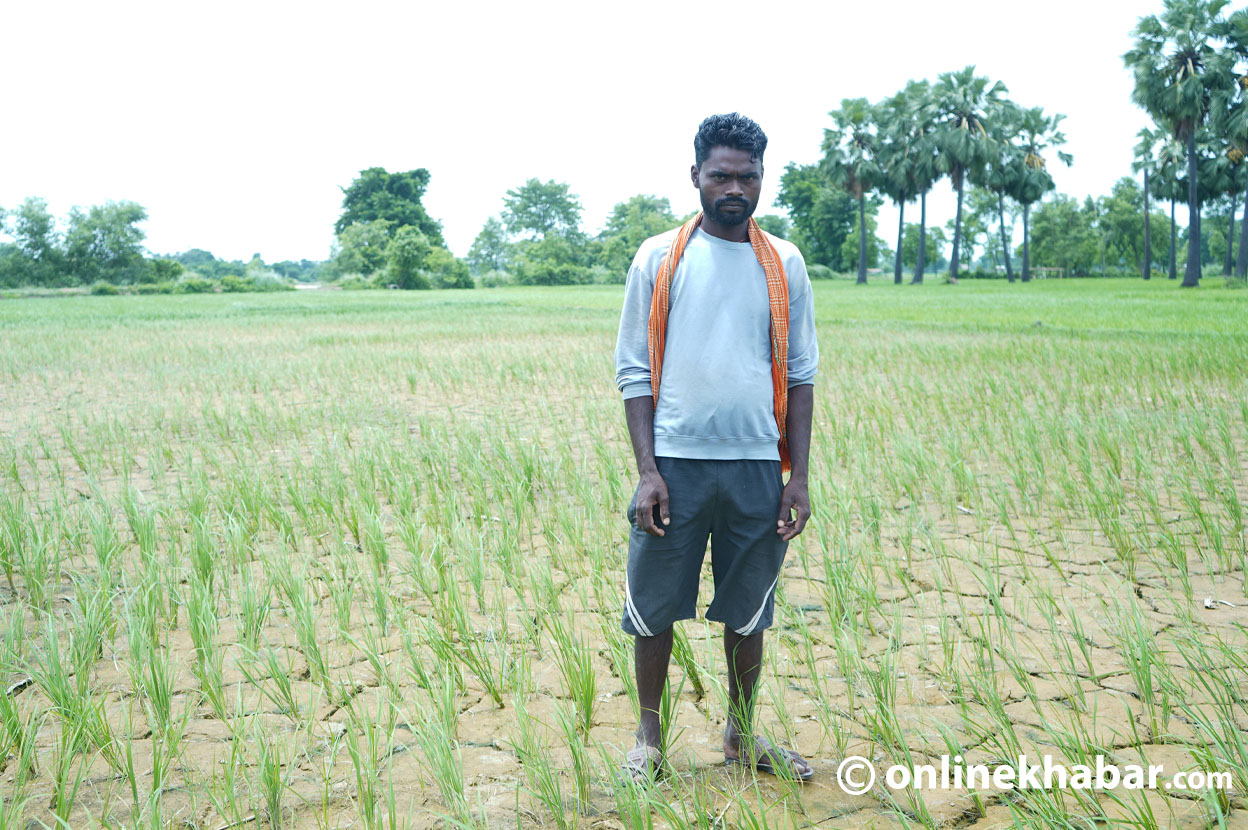
In the Trishuli and Bhotekoshi basins, Indigenous Tamang, Sherpa, Gurung, Magar and Newar communities have served for generations as ecological stewards. The August 2026 floods destroyed homes, farms, religious sites and community infrastructure.
Under the UN Declaration on the Rights of Indigenous Peoples and relevant international standards, states have obligations concerning Indigenous peoples’ lands, cultures and livelihoods. In Torres Strait Islanders v Australia, the UN Human Rights Committee found Australia responsible for violating certain rights of the petitioners under the ICCPR in connection with climate impacts.
Nepal should invite relevant UN Special Procedures to undertake fact-finding missions and formally recognise climate-displaced populations within appropriate frameworks, including the UN Guiding Principles on Internal Displacement.
Accounting for non-economic loss and cultural heritage
Reconstruction cannot be measured solely in concrete, roads and power grids. Nepal must demand accountability for non-economic loss and damage.
Floodwaters in Nuwakot damaged historic temples and sacred river confluences at Devighat. Across Rasuwa, debris flows also affected ancestral burial grounds and culturally significant sites. Such losses cannot be fully captured through conventional monetary metrics.
Spiritual sanctity, lineage continuity, cultural memory and community identity have value beyond their economic replacement cost. The Loss and Damage Fund should therefore develop mechanisms capable of addressing non-economic losses, including damage to cultural heritage, Indigenous rights and community wellbeing.
Enforcing transit rights for landlocked nations
The Langtang-Bhotekoshi disaster severely disrupted the Rasuwagadhi–Kerung corridor, including bridges, roads and border infrastructure that connect Nepal with China. For a landlocked country, such disruption has consequences far beyond the affected communities.
Under Article 125 of the UN Convention on the Law of the Sea and Article 11 of the WTO Trade Facilitation Agreement, landlocked countries have rights relating to transit to and from the sea.
Nepal should therefore call for a grant-funded LLDC Climate-Resilient Transit Facility to rebuild and climate-proof critical trade arteries.
Rejecting debt for 100% grant-based reparations
A large share of international climate finance continues to be delivered through loans rather than grants, adding to the debt burdens of vulnerable countries. Nepal should insist that finance for climate-related loss and damage be provided primarily through non-repayable grants rather than creating new debt.
The principle of full reparation has a long history in international law, most famously articulated by the Permanent Court of International Justice in the Chorzów Factory case. Whether and how that principle applies to contemporary climate loss and damage remains a matter of legal and political debate, but the underlying argument is clear: countries facing climate impacts should not be pushed deeper into debt to address destruction associated with a global crisis to which they have contributed little.
Nepal’s contribution to global emissions remains very small, while its economy is increasingly exposed to climate-related risks. The country should therefore press for grant-based financing through the Loss and Damage Fund and other climate-finance mechanisms.
Establishing a trans-himalayan early warning framework
Mountain river basins do not respect borders. Upstream on the Tibetan Plateau, unstable glacial lakes and rapidly changing cryospheric conditions can create risks for downstream communities.
Nepal should call for a binding Trans-Himalayan Regional Framework for real-time cryospheric monitoring, satellite observation, hydrological data sharing and coordinated transboundary alerts.
This should complement the Sendai Framework for Disaster Risk Reduction, particularly its Target G on increasing the availability of and access to multi-hazard early warning systems and disaster-risk information.
The objective should be straightforward: early-warning networks should leave as few blind spots as possible between mountain sources and vulnerable valley communities.
Aligning mountain justice with global demilitarization
The melting of the Third Pole and the growing vulnerability of low-lying island states are interconnected expressions of a planetary climate crisis. Nepal should seek a stronger diplomatic alliance between high-mountain states and Small Island Developing States (SIDS) to pursue common climate and legal strategies.
This coalition should also press for a greater focus on the climate and environmental costs of military activity and for resources to be redirected towards climate adaptation, debt relief, climate finance and community-centred renewable energy transitions.
The call to action
The 81st UN General Assembly offers Nepal an opportunity to redefine mountain diplomacy.
Bearing the mandate and lived testimony of its people, Nepal’s delegation should deliver an unequivocal message: the Third Pole is collapsing, and frontline states are coming to the United Nations not simply to seek charity, but to demand climate justice grounded in international law.
The question is no longer whether the Himalayas matter to the world. They are a source of water, ecological stability, culture and livelihoods for hundreds of millions of people across Asia.
The question is whether the international system will recognise the consequences of their rapid transformation — and whether countries that have contributed least to the climate crisis will continue to bear a disproportionate share of its costs.