
For more than two decades, the Chitwan Elephant Festival in Sauraha has been promoted as a celebration of tourism, culture and Nepal’s relationship with wildlife. Held annually during the winter tourism season, the festival was originally conceived as a way to attract domestic and international visitors, boost local businesses and showcase Chitwan’s natural heritage.
Over the years, however, the festival has become increasingly controversial. Elephant races, polo, football, beauty pageants and other entertainment activities have drawn criticism from animal welfare organisations, conservationists and increasingly concerned members of the public. What was once presented as a celebration of human-elephant coexistence is now raising an uncomfortable question: can Nepal continue to promote wildlife tourism while using endangered animals for human entertainment?
The answer should be straightforward. Tourism cannot be considered sustainable if it comes at the expense of animal welfare.
The Chitwan Elephant Festival takes place in Sauraha, near Chitwan National Park, one of Nepal’s most important wildlife destinations. Its economic significance to the local tourism industry is undeniable. The event has historically helped increase hotel occupancy during the winter season, with organisers reporting increases of 20 to 30 per cent. Hotels, restaurants, tour operators, elephant owners and other local businesses benefit from the influx of visitors.
But economic benefits should not make an activity immune to scrutiny.
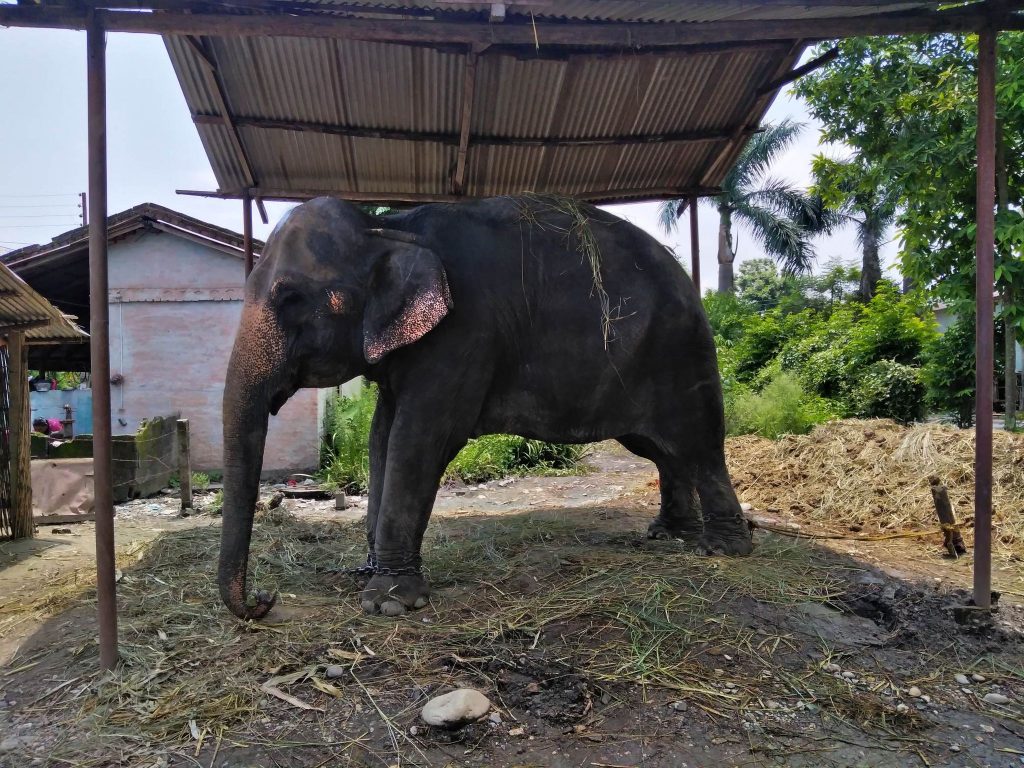
Research into captive elephant welfare in Nepal has repeatedly highlighted the conditions in which tourism elephants are kept and the physical demands placed on them. A An Elephant Is Not A Machine found that 82 per cent of privately owned captive elephants in Sauraha were housed in unsuitable conditions. A 2017 World Animal Protection study also identified serious welfare concerns among tourism elephants across Asia, including inadequate living environments, restricted movement and limited opportunities for social interaction.
More recent research by Michelle Szydlowski, examining 24 private elephant stables in Sauraha, found that only 12.5 per cent met even half of the established animal welfare benchmarks.
The problems extend beyond living conditions. Research by Gautum and Koju in 2022, which examined 97 captive elephants in Sauraha, documented the substantial physical workload placed on commercial elephants. Some reportedly travelled between 16 and 84 kilometres daily while carrying heavy wooden howdahs, contributing to foot injuries, joint problems and spinal abrasions.
These findings raise serious questions about the treatment of elephants in an industry that frequently presents itself as a model of conservation and coexistence.
Elephants are highly intelligent, social animals that require space, movement and opportunities to interact with other elephants. Forcing them to participate in races, football matches, polo games and parades is difficult to reconcile with their natural behavioural needs. Behind the entertainment that visitors see are training practices, physical restraints and methods of control that have attracted widespread criticism.
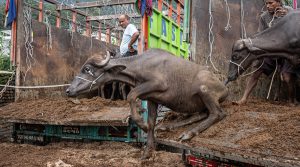
Undercover investigations have further intensified these concerns. Footage released by animal welfare organisations has documented handlers striking elephants with sticks and using sharp steel-tipped instruments, commonly known as ankush or bullhooks. Such practices expose the uncomfortable reality behind activities marketed as family-friendly tourism.
Nepal must therefore reconsider what it wants its wildlife tourism industry to represent.
The economic argument cannot justify animal cruelty

One of the strongest arguments in favour of the festival is its economic contribution to Sauraha. For many local businesses, elephant tourism has been an important source of income. Elephant owners, mahouts, hotels, restaurants and tour operators have built their livelihoods around this industry.
It would be unfair to dismiss these concerns or assume that ending elephant entertainment would have no economic consequences.
Mahouts, many of whom belong to the Tharu community, occupy a particularly vulnerable position in this system. They often work under difficult conditions, receive low wages and face occupational risks while having limited control over the larger tourism industry. During the COVID-19 pandemic, when tourism collapsed, elephant owners struggled to afford food and care for their animals. Fodder shortages and financial pressures even resulted in some elephants being sold across the Indian border.
This demonstrates that the problem is not limited to animal welfare. It is also connected to an economic model that leaves both elephants and their handlers vulnerable to fluctuations in tourism demand.
However, protecting livelihoods should not mean preserving harmful practices indefinitely. Instead, Nepal should explore how the industry can transition towards more ethical forms of wildlife tourism.
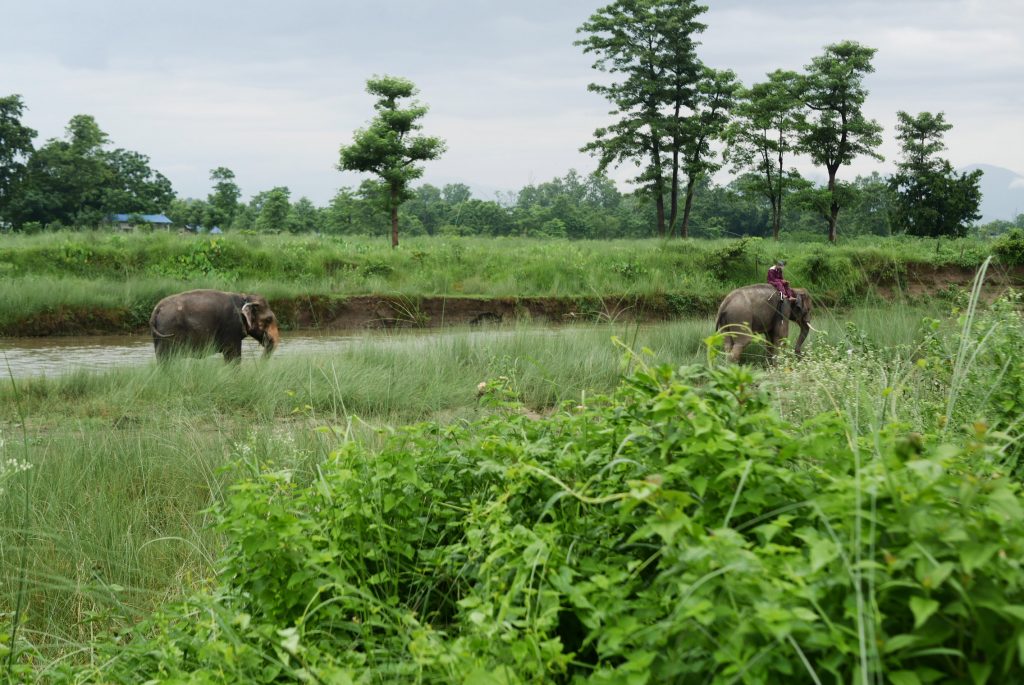
There are already examples of businesses demonstrating that tourists do not necessarily need to ride or watch elephants perform to appreciate them. Observation-based sanctuaries and responsible wildlife experiences allow visitors to observe elephants grazing, socialising and moving in more natural environments.
Tiger Tops Tharu Lodge in Nepal, for instance, has demonstrated an alternative approach to elephant tourism by moving away from elephant-back safaris towards observation-based experiences.
Similar models in Thailand and other countries have shown that wildlife tourism can generate revenue without relying on animal performances or rides.
The challenge for Nepal is to make this transition accessible to local communities rather than leaving them to bear its economic costs.
Nepal’s laws must translate into meaningful protection
Nepal is not without a legal framework to address animal cruelty. The National Penal Code 2017, under its provisions relating to offences against animals and birds, criminalises certain forms of beating, mutilating, overloading and inflicting unnecessary suffering on animals.
Similarly, the National Parks and Wildlife Conservation Act 1973 recognises Asian elephants as protected wildlife. The Animal Welfare Directive 2016 also establishes standards for the treatment of working animals, including provisions concerning working hours, rest and the use of painful instruments.
However, having laws and implementing them effectively are two different things.
The regulation of privately owned captive elephants remains a challenge, particularly when it comes to their use in commercial tourism and entertainment. Fragmented responsibilities, limited monitoring and inadequate enforcement create opportunities for harmful practices to continue.
Nepal must strengthen the implementation of existing protections while introducing more comprehensive legislation dedicated to animal welfare.
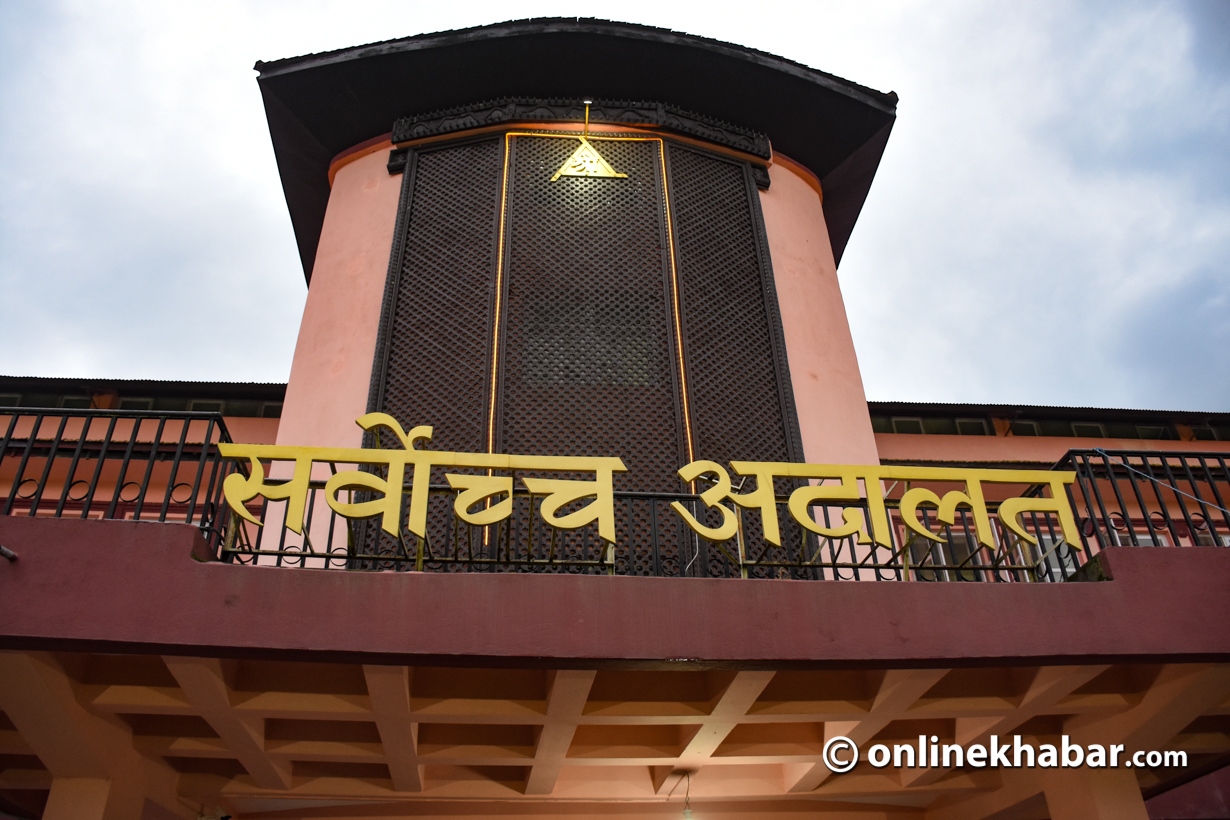
Recent judicial developments, including the reported 2026 Supreme Court directives concerning elephant welfare, further underline the need to reconsider the use of elephants purely as instruments of human entertainment. The government should ensure that these legal developments translate into clear regulations and enforceable standards.
A comprehensive Animal Welfare Act could provide an opportunity to address existing gaps by establishing clear responsibilities, penalties and monitoring mechanisms across federal, provincial and local governments.
The use of bullhooks, painful restraints and other harmful methods of controlling elephants should also be strictly regulated or prohibited.
Furthermore, all privately owned elephants should be properly registered and monitored to prevent illegal ownership, trade and movement across international borders.
The tourism industry must take responsibility
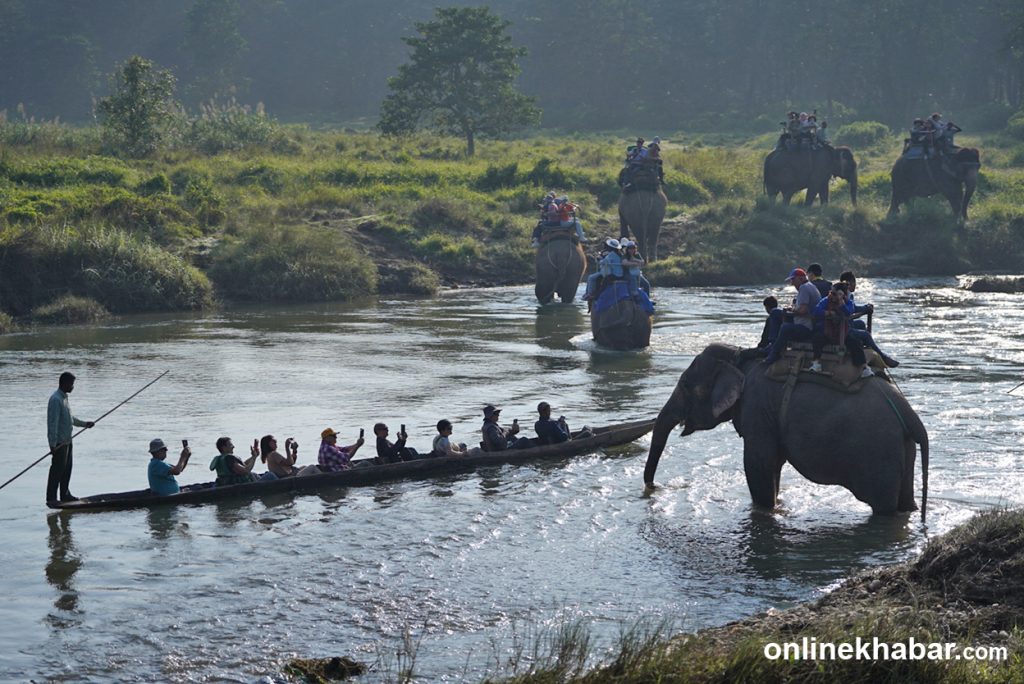
The private sector has played a significant role in sustaining the Chitwan Elephant Festival. Hospitality associations, elephant-operating groups, tour operators and corporate sponsors have historically supported the event.
However, growing criticism has also demonstrated that businesses can influence the direction of the industry.
Several prominent companies, including Pepsi, Buddha Air, Nepal Investment Mega Bank, Machhapuchchhre Bank and Himalayan Social Journey, have withdrawn their support for the festival following concerns about elephant treatment.
Such decisions are important because sponsorship is not simply financial assistance. It also represents an endorsement of the activities being promoted.
Hotels, travel agencies and other tourism businesses should reconsider whether participating in or supporting elephant entertainment aligns with the image of Nepal they want to promote internationally.
The government and Nepal Tourism Board should also move beyond promoting tourism numbers and begin paying greater attention to the ethical standards of the experiences being offered.
A government-backed cruelty-free wildlife tourism certification could encourage hotels and tour operators to adopt responsible practices. Businesses that abandon elephant rides and performances in favour of observation-based tourism should receive incentives and recognition.
The festival itself could also be redesigned. Cultural performances, local food, traditional music, conservation education and community-based tourism could remain central attractions without requiring elephants to participate in sporting events or parades.
There is no reason why a festival celebrating Chitwan’s natural heritage must depend on animal entertainment.
Reform must begin at the grassroots
A ban on harmful activities alone will not resolve the challenges facing captive elephants in Nepal. Meaningful reform requires cooperation with elephant owners, mahouts and the communities whose livelihoods depend on tourism.
Many mahouts have traditionally relied on physical methods of controlling elephants, partly because of limited access to alternative training and animal behaviour management techniques. Training programmes in positive reinforcement and humane handling could help introduce safer practices that do not depend on pain or intimidation.
Elephant owners also need support to explore alternative business models. Transitioning towards observation-based sanctuaries, walking tours and other ethical wildlife experiences requires investment, training and time.
The government should consider financial incentives, transition subsidies and technical assistance for businesses willing to move away from exploitative elephant tourism.
Schools and community organisations in Chitwan’s buffer-zone areas should also play a role in raising awareness about wildlife conservation, animal sentience and responsible tourism. The objective should be to build a local conservation culture in which elephants are valued as living animals rather than simply as tourism assets.
Most importantly, these changes must involve local communities from the beginning. Policies designed without considering the people directly affected are unlikely to achieve lasting results.
Nepal must decide what kind of wildlife tourism it wants
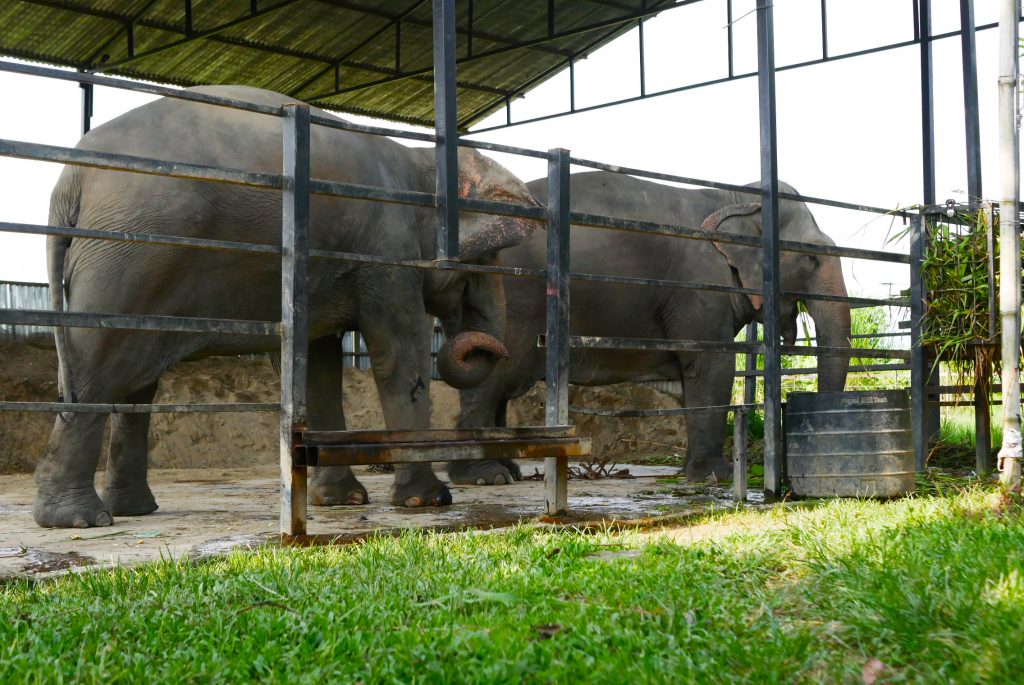
The Chitwan Elephant Festival stands at a crossroads. It began with the intention of promoting tourism and celebrating Chitwan’s natural heritage. But growing evidence of captive elephant welfare problems, declining corporate support and increasing public scrutiny have made its traditional activities increasingly difficult to defend.
Nepal has an opportunity to rethink the festival and, more broadly, its approach to wildlife tourism.
The country does not need to choose between animal welfare and local economic development. It needs to create a tourism model in which both can coexist. That requires stronger laws, effective enforcement, responsible private-sector participation and meaningful economic support for communities undergoing the transition.
Ultimately, Nepal’s reputation as a wildlife destination should not depend on how many tourists can ride an elephant, watch it play football or photograph it participating in a parade. It should depend on how successfully the country protects its wildlife and allows animals to exist without being forced to entertain people.
A festival celebrating nature should not come at the expense of the very animals that make that nature worth celebrating.