Kathmandu, March 24
Amid the conflict involving Israel, Iran, and the United States in West Asia, incidents of cyber fraud have been rapidly increasing alongside growing security concerns. Scammers have become active, targeting Nepalis living in the region amid the fear created by the conflict.
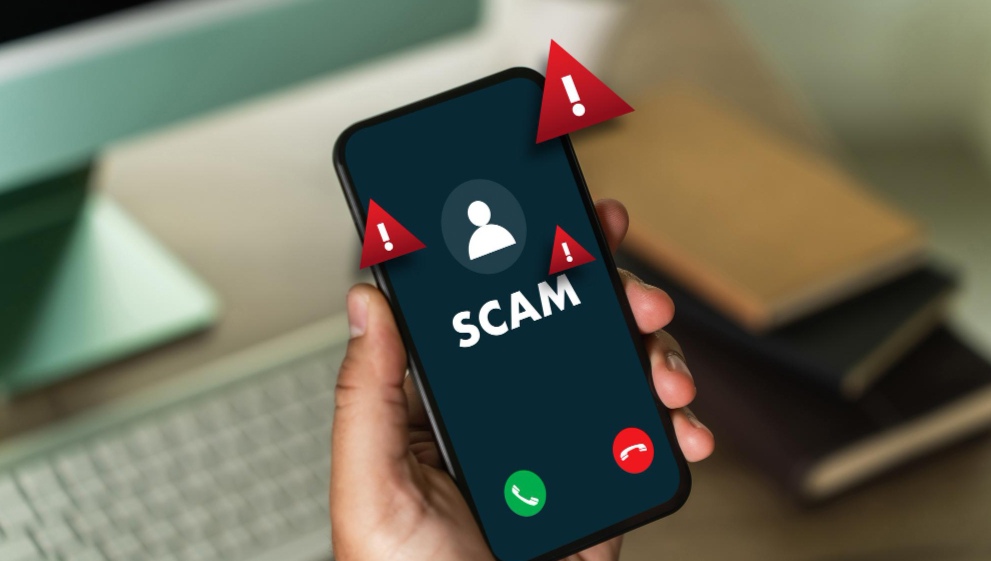
In recent days, cases have been reported where Nepalis living in countries such as Israel, Qatar, and the United Arab Emirates have had their WhatsApp accounts hacked. The hackers then call people from the victims’ contact lists, relatives and acquaintances, asking for OTP codes and eventually extorting money. Scammers have also been found calling victims while pretending to be from the Nepal Embassy, asking for money under the pretext of emergency rescue or assistance.
A group involved in hacking WhatsApp accounts of Nepalis in Israel appears to be active. Scammers have been attempting fraud by calling from various numbers, falsely claiming to represent the Nepal Embassy.
It has been found that scammers send a code to the victim’s phone, then call to ask for that code, and once it is shared, they gain access to the WhatsApp account.
Officials from the Non-Resident Nepali Association (NRNA) in Israel have urged people to remain cautious, stating that such incidents are increasing rapidly. They have advised not to share any codes requested by unknown callers and to immediately block such contacts.
Similar fraud attempts have also been reported in Gulf countries such as Saudi Arabia and Kuwait. Nepalis working abroad are being targeted through social media and messaging apps.
Nepali embassies in the respective countries, as well as Nepal’s Ministry of Foreign Affairs, have also been issuing warnings. They have clarified that no embassy or government body asks for OTP codes or confidential information via phone or message. People are urged not to trust calls or messages from unknown numbers and to verify through official channels before making any financial transactions.
Nepal Police has also repeatedly warned the public about the rise in cyber fraud cases. The police have advised citizens not to share OTPs, passwords, or personal information, to avoid clicking on suspicious links, and to remain cautious about unofficial messages on social media. In case of suspected account hacking, individuals are advised to recover their accounts immediately and report the incident to the concerned authorities.
The Cyber Bureau of Nepal Police has specifically warned about increasing cases where hacked WhatsApp accounts send messages like: “I am in trouble, please send money urgently,” or “I am unable to transfer money due to issues with my banking app, please send money to this QR code.” Such messages are often sent to close friends and relatives to carry out fraud.
In such situations, people are advised not to trust these messages immediately, to verify by directly calling the concerned person if possible, and to avoid clicking on or downloading suspicious links, codes, or files.
The bureau has also urged users to enable two-step verification, never share OTP or verification codes, and always log out after using WhatsApp Web.
As Nepalis living in conflict-affected regions continue to face mental stress and insecurity, these fraudulent activities have further compounded their difficulties. Embassies have noted that scammers are exploiting emergencies, fear, and uncertainty to create emotional pressure and carry out fraud.