Kathmandu, September 23
The Chinese government has provided the Nepal Academy of Science and Technology (NAST) with equipment, materials and technology required for DNA testing.
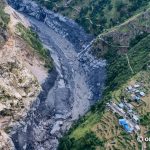
China has transferred the necessary technology to Nepal for DNA profiling to identify people who died or went missing in the Rasuwa floods.
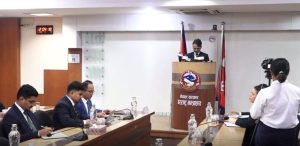
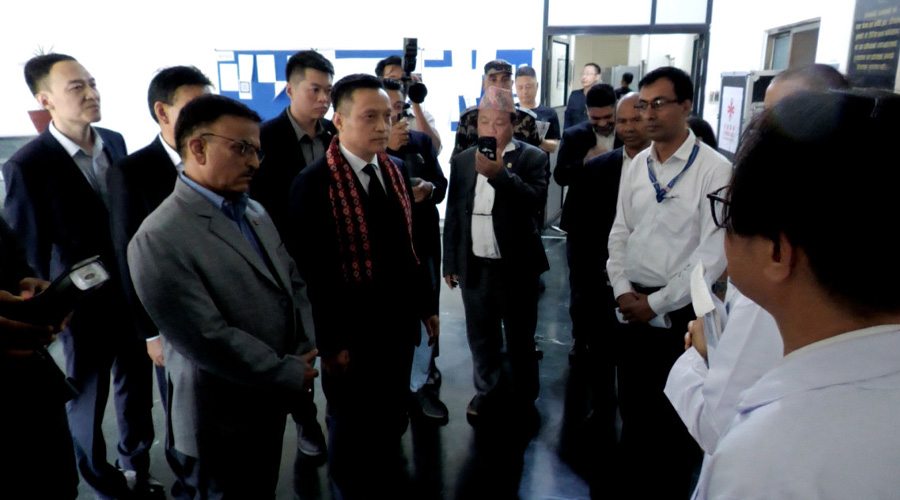
At a programme held on Wednesday in the presence of Minister for Science, Technology and Innovation Mahabir Pun, Chinese Ambassador to Nepal Zhang Maoming handed over the materials and technology required for DNA profiling to NAST.
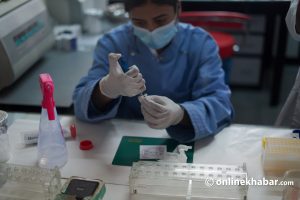
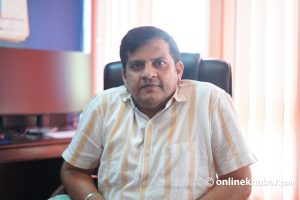
Dr Ram Chandra Paudel, senior scientist and spokesperson for NAST, said DNA testing is also being conducted at NAST’s laboratory after the National Forensic Science Laboratory and Nepal Police’s Forensic Laboratory alone were unable to handle all the samples following the floods.
According to Paudel, NAST’s laboratory has so far received around 807 samples. He said NAST most recently received 12 samples from the Nepal Police Forensic Laboratory.
He said work had been divided among different laboratories to speed up sample testing after preliminary reports indicated that a large number of people had gone missing following the floods.
Experts from India are also assisting the National Forensic Science Laboratory, while foreign experts are supporting the Nepal Police Forensic Laboratory, he said.
“Scientists at our laboratory are currently working in coordination with the relevant experts. They are training us, helping build our capacity and generating the necessary data,” Paudel said.
He said some bone and tooth samples received by the National Forensic Science Laboratory, as well as samples excavated to identify missing people, are being tested by the experts themselves, while some are being sent to NAST.
According to Paudel, NAST prepares profiles of the samples it receives and provides them to the concerned forensic laboratories.
“We officially receive those samples, but the legal responsibility does not lie with us; it lies with the concerned forensic institutions. We send the data we prepare to them,” he said. “The forensic laboratory and the relevant police mechanism then analyse the data. They also have access to international databases, where the data we send is incorporated.”
According to Paudel, NAST’s work is contributing not only to the immediate DNA testing process but also to building the capacity of Nepali scientists. He said Chinese experts were providing training and technical assistance to Nepali scientists using their own equipment.