Dhunche, September 4
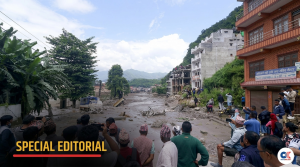
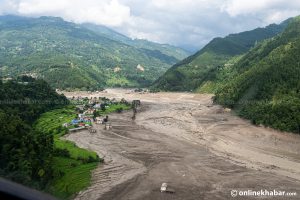
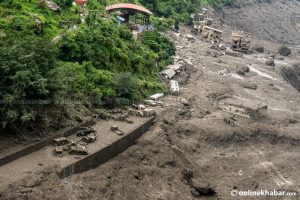
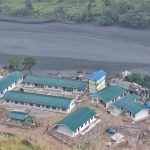
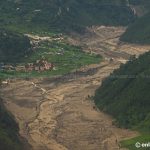
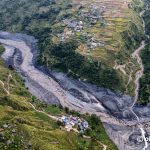
At around 8:30 am on August 26, the Bhotekoshi came rushing into Timure with mud, rocks and debris. The China-Nepal border settlement was among the first places in the path of the devastating flood. Within minutes, homes, offices and infrastructure were swept away.
The Armed Police Force (APF) also suffered its biggest loss there. Thirteen of its personnel went missing in the flood.
Nine were stationed at the Timure Border Outpost (BOP), including Inspector Ambir Khatri and Sub-Inspector Prakash Neupane. Four others were from the security base of the Trishuli Hydropower Project in Mailung.
But the personnel who survived did not leave.
They continued working in the same place where their colleagues had disappeared.
When the flood struck, the Timure BOP itself was cut off. Electricity and telephone services stopped working. Even the APF’s internal communication system, the walkie-talkie, was not functioning.
For almost 24 hours, the BOP was reportedly the only government facility still standing in the area. And the personnel there had no way of knowing what had happened to their colleagues. They knew only that their commander and other members of their team were missing. Yet someone had to take command.
Assistant Sub-Inspector Tambahadur Thapa Magar stepped in.
After Inspector Khatri and Sub-Inspector Neupane went missing, Magar took charge of the remaining personnel, moved them to safety and kept the team together.
The outpost, which is responsible for security along the China-Nepal border, including controlling smuggling and customs evasion, continued its work amid the destruction.
There was little time to grieve. There were still people missing.
The following day, an additional APF team arrived from Dhunche under Inspector Sanju Khatri to reinforce the search and rescue operation. That team is still in Timure.
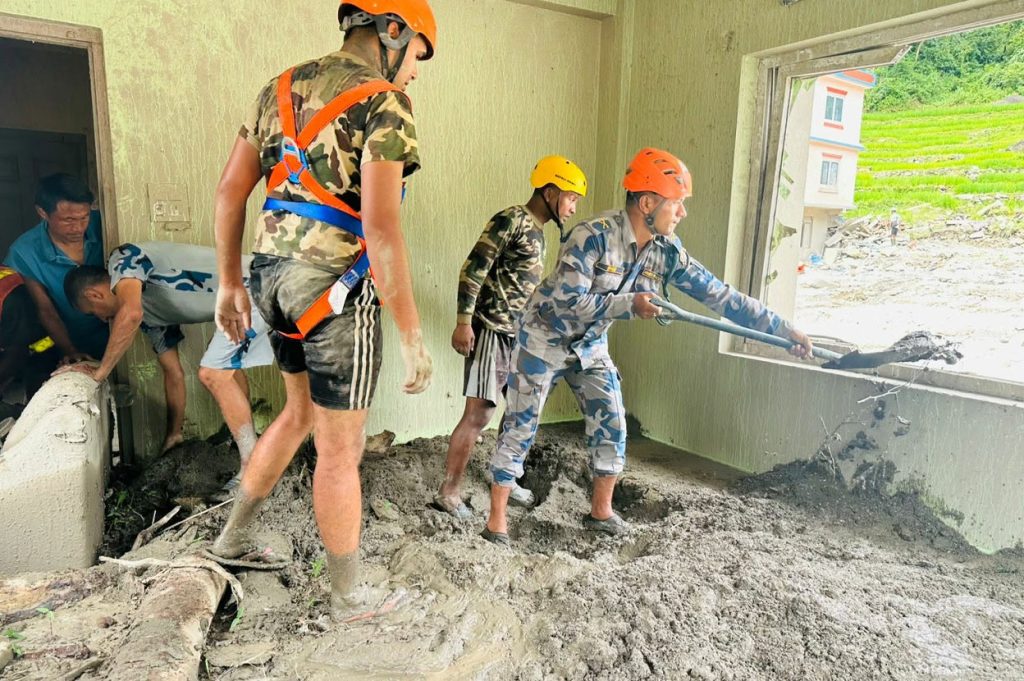
Since then, the APF says, it has recovered 98 bodies from the area. But the work has not been only about recovering the dead.
On the evening of August 28, the rescuers heard something beneath the mud. It seemed like a child crying. Hurriedly, they began digging. After hours of searching through the debris, they found six-year-old Manisha Uchhai Magar alive.
She had been buried for 62 hours.
Mud covered most of her body. A wooden structure had fallen over her, leaving part of her head exposed. The rescuers had heard her voice from beneath it.
Manisha’s parents had survived the flood but had already lost hope of finding their daughter alive. Her mother, Gita Uchhai Magar, worked at the Global IME Bank in Timure.
The APF team brought Manisha to the BOP and treated her through the night. She was given jaulo after receiving first aid.
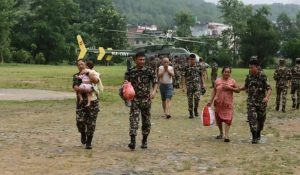
The next day, an Army helicopter took her to Dhunche. She was subsequently brought to Teaching Hospital in Kathmandu, where she is receiving treatment.
For the rescuers, the rescue was a reminder of why they had remained. Their own colleagues were still missing.
The body of one of them, constable Sajan Kunwar, was later recovered in East Nawalparasi. The other 12 APF personnel remain unaccounted for. Yet the search continues.
Working through devastation
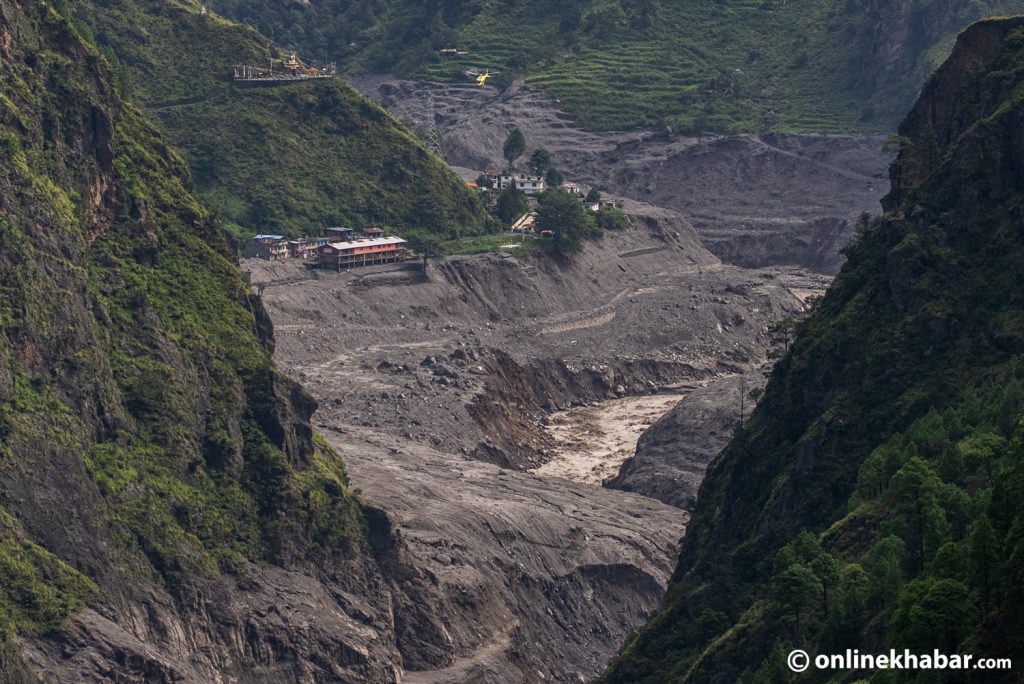
The scale of destruction has made the operation exceptionally difficult.
More than 41 bridges along the Syabrubesi-Rasuwagadhi road section and other major highways have been swept away. Electricity and communications remain disrupted in parts of the affected area, while many buildings have been completely destroyed.
The APF has deployed more than 4,200 personnel in the search for people missing in the floods.
Twelve operational bases have been established across Dhading, Nuwakot and Rasuwa, including in Malekhu, Galchhi, Devighat, Betravati, Taruka, Trishuli Hydropower-3A, Trishuli Hydropower-3B, Syafrubesi and Bogatitar.
Around 800 specially trained personnel are involved in the operation from Timure to West Nawalparasi.
They include disaster-management personnel, confined-space search and rescue teams, rope-rescue specialists, divers, high-altitude rescuers, drone teams, K9 units and medical personnel.
The APF says K9 teams have located 12 bodies, drone teams one and swift-water rescue teams 123.
These are difficult operations even under normal circumstances. For the personnel in Timure, the circumstances are harder still.
They are searching through homes, roads and debris where their own colleagues vanished. They are working without the certainty that those colleagues will ever be found.
But they continue to dig. They continue to search. And when they hear a voice beneath the rubble, they keep going.