Kathmandu, July 29
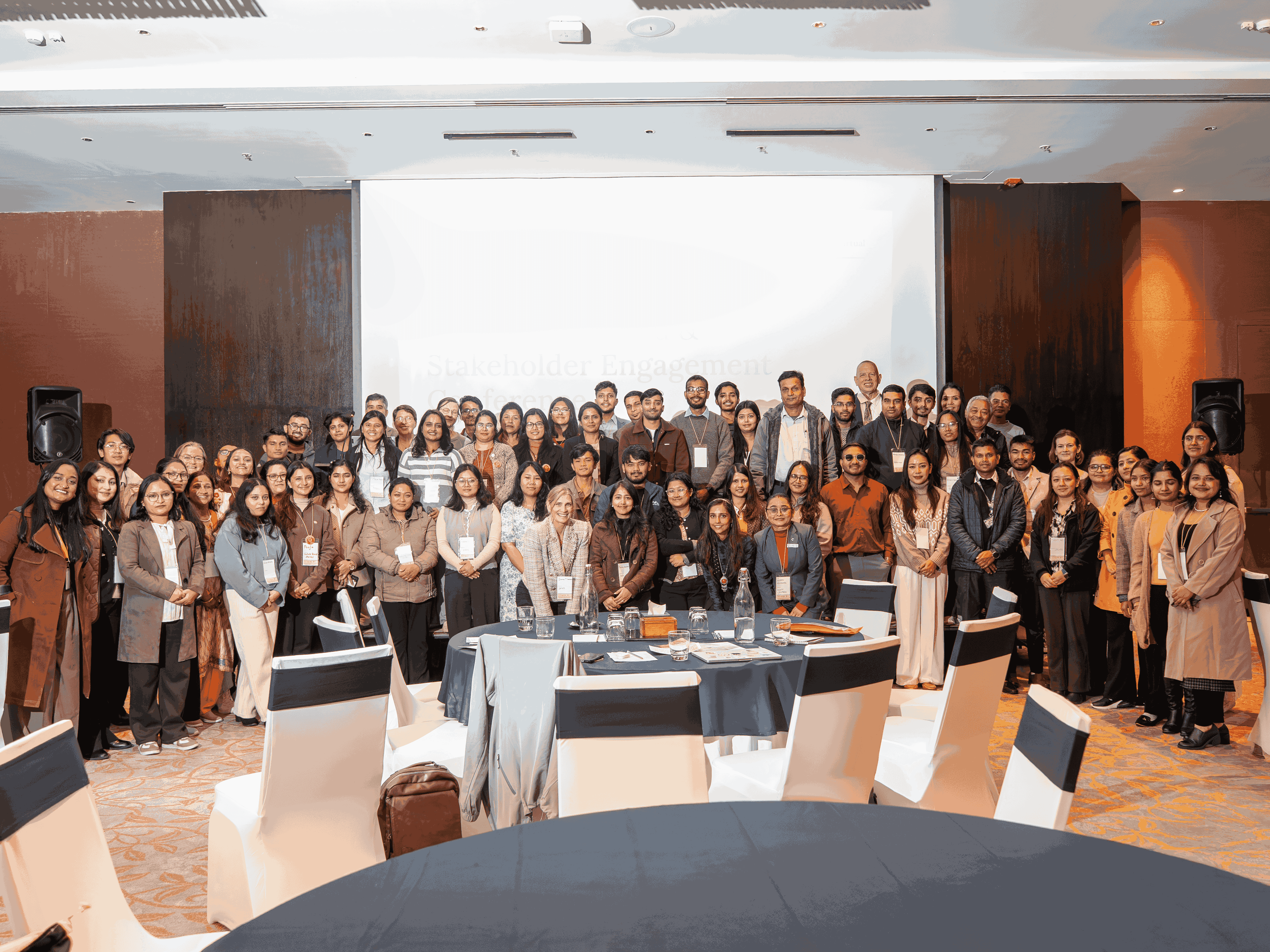
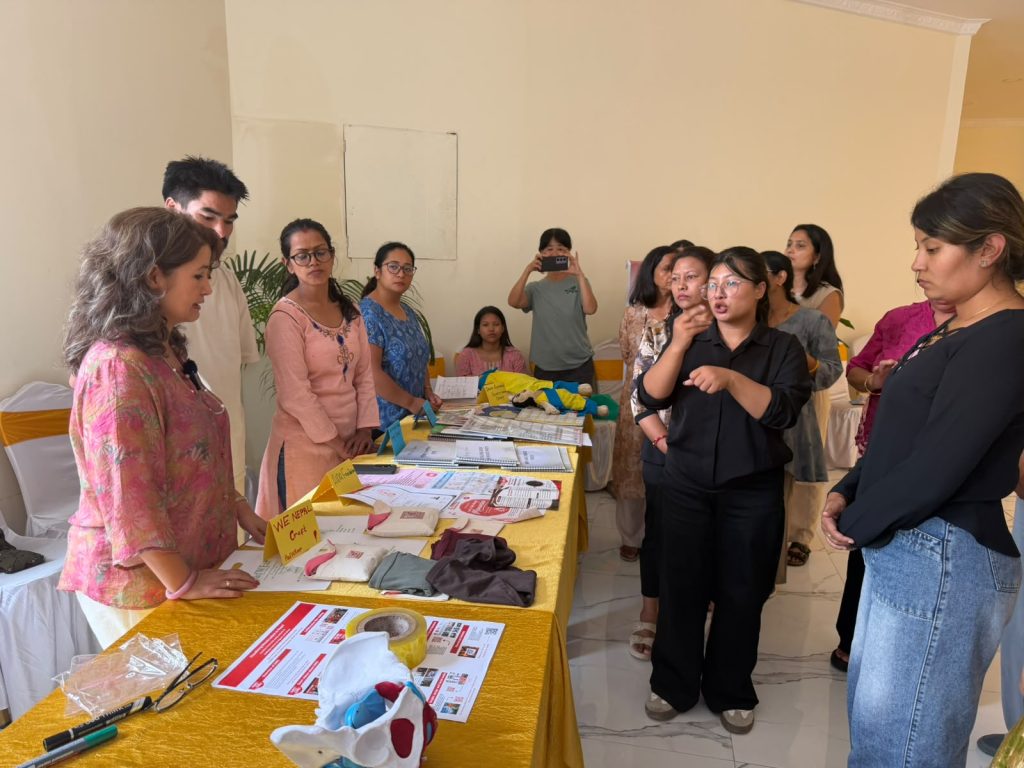
More than 25 representatives from organisations working in menstrual health, disability inclusion, education, and youth engagement gathered in Kathmandu for the Inclusive Dialogue on Menstrual Education on Monday. The event brought together founders, activists, educators, parents, and disability advocates to exchange resources, build partnerships, and reimagine how menstrual education can reach everyone.
The dialogue was jointly organised by Global Action Nepal, Dignity Without Danger, Liverpool John Moores University and Down Syndrome Society, Nepal. In response to a common challenge: while many organisations have developed valuable menstrual education resources, these materials often remain within limited communities, limiting their reach and impact.
Rather than creating new resources, participants explored how existing tools could be shared, adapted, and made more accessible across different communities, including people with intellectual and physical disabilities. Organisations including Blind Youth Association Nepal, Aina Foundation We Craft Nepal, Autism Care Nepal, and others showcased their educational materials while other organisations exchanged feedback and identified opportunities for future collaboration.
Sila Thapa, Founder of Down Syndrome Society Nepal, emphasised the importance of ensuring that menstrual education reflects the lived experiences and needs of persons with disabilities, as inclusion is needed to change the narratives inside the home.
Professor Sara Parker stressed the need for all organisations to work together across different sectors and work with all to share the excellent resources and expertise that are in Nepal and ensure that everyone has a happy and healthy period free from shame.
“We all must speak publicly about this issue to continue to break the silence for periods,” said Parker.
The dialogue also highlighted the leadership of women working at the intersection of menstrual health, disability, research, and education, while reinforcing that inclusive menstrual education requires collective action from educators, caregivers, advocates, organisations, and policymakers alike.
The event concluded with a shared commitment to strengthen partnerships, increase resource accessibility, and continue collaborative efforts so that no one is left behind in menstrual education. The collective resources can be accessed at the Global Action Nepal Resource Centre, and anyone can add their resources.