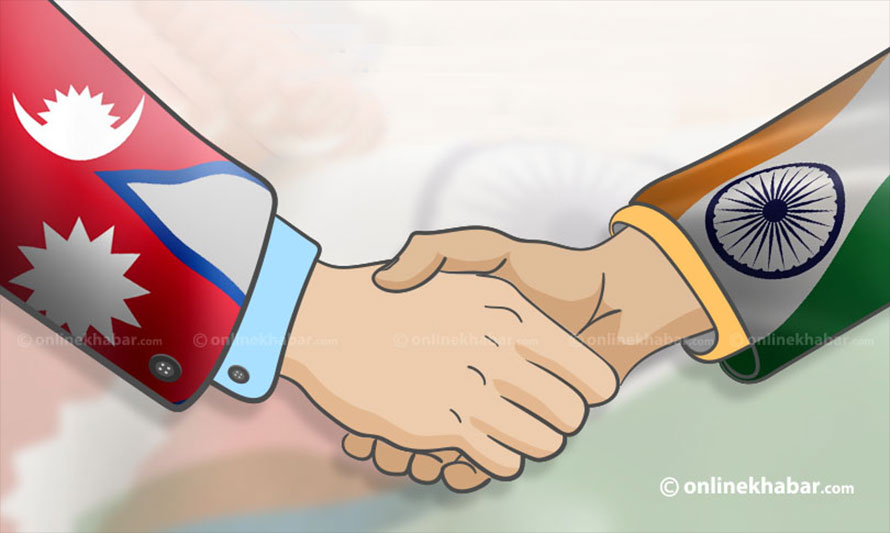

The contemporary Nepal-India relationship must be understood in the context of a world in great turmoil. The multilateral system is increasingly disordered, conflicts and wars are continuing, and the global energy landscape is undergoing significant changes. Amid uncertainty over global oil and gas supplies, it is particularly important for neighbouring countries to work together and address shared challenges.
Despite these challenges, there are also opportunities to strengthen bilateral ties. Major political changes have taken place in Nepal over the past year.
The events of September 2025 and their aftermath have been described as a structural shift in traditional politics. New political forces have emerged, and a different generation of leaders has taken the reins of government. This is probably a once-in-a-generation moment of change.
I should clarify that I am speaking as an independent individual and do not represent any institution or government.
This new generation of leaders is young, talented and dynamic, with a focus on economic development and stability. Importantly, they do not carry the political baggage of the past.
There are always problems in any relationship, particularly one as close as that between India and Nepal. However, these should not hamper economic cooperation and partnership between the two countries.
People sometimes ask whether economic cooperation can move forward when so many bilateral problems remain unresolved. Given the nature of our relationship, I do not think there will ever be a time when all our problems are resolved. There will always be differences, but there will also be opportunities for partnership.
The challenge is to expand that partnership while addressing existing problems as far as possible. We should not allow bilateral difficulties to overshadow economic cooperation. Instead, both countries should focus on mutually beneficial opportunities in economic development and take practical steps to reduce inefficiencies in the relationship.
I believe this is broadly the thinking on both sides. These developments represent a moment of hope for Nepal and Nepal-India relations. Both governments and the people of the two countries should seize this opportunity and work towards strengthening the relationship.
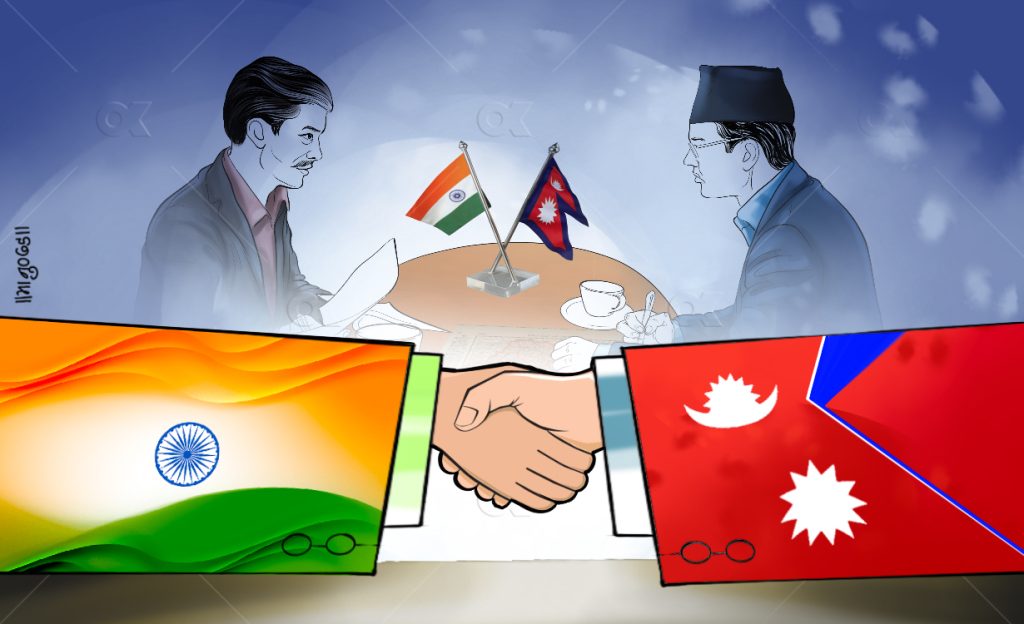
Nepal’s prime minister is expected to visit India in the very near future. This will be his first visit, and although it may be short, it presents an important opportunity.
With new leadership in both countries, it is essential for the leaders to understand each other. Personal interactions, face-to-face meetings and one-on-one conversations are important for building mutual understanding and trust.
Considerable groundwork has already been undertaken. I understand that most of the 42 bilateral mechanisms between the two countries have held meetings. The prime minister’s visit will therefore provide an opportunity not only for the two leaders to establish a rapport but also to take substantive decisions on pending issues.
Several important visits have already taken place ahead of the prime minister’s visit. We hope it will be a substantive and productive one.
Much has already been said about the priority areas for cooperation. I would reiterate General Anil Chauhan’s point that we need to move beyond aid, trade and investment towards creating value together.
This requires developing mechanisms to advance cooperation in emerging sectors, including information technology, connecting Nepal’s startup ecosystem with India’s, and addressing climate change.
Climate issues have historically not been a prominent element of bilateral engagement. However, developments in both countries in recent years demonstrate how critical global warming and climate change have become.
Their impacts on people’s lives and livelihoods are increasingly evident. Beyond the immediate loss of lives and property, climate change also has implications for long-term development, including large dams and hydropower projects. Both countries must therefore find technical solutions to address these challenges, particularly those affecting water availability. Climate change must become an integral part of the bilateral agenda.
General Chauhan also mentioned humanitarian assistance and disaster relief (HADR). Drawing on my own experience, I would like to acknowledge the important role played by the two armies, which maintain a strong relationship.
Their cooperation in the aftermath of the 2015 earthquake was instrumental in addressing the devastating impact of the disaster. India also made a significant contribution to rehabilitation and reconstruction following the Pokhara disaster.
India has already extended humanitarian assistance and disaster relief support, but there is further scope for cooperation in rehabilitation and reconstruction. The nature of India’s continued support could be an important subject of bilateral discussions.
Ambassador Vijay Kantha also referred to Prime Minister Balendra Shah’s proposal for a trilateral mechanism involving China, Nepal and India to address climate change and natural disasters. All three countries are affected by these challenges.
As a lower riparian country, India is inevitably affected by developments in upper riparian regions. I believe this is an interesting proposal, and although I do not know whether the Nepali side has developed it in detail, it is certainly worthy of consideration. The interests of all three countries converge on these issues, and the initiative should be taken forward.
The government has an important role in advancing bilateral relations, but the private sector and other stakeholders must also take advantage of the framework being created.
This framework includes connectivity in its broadest sense, encompassing digital and financial links, cross-border infrastructure, transmission lines and other forms of physical connectivity. Much of the necessary legal framework is already in place through bilateral agreements. The challenge now is to implement the projects.
During my tenure, I helped establish the first Joint Monitoring Group for Indian projects in Nepal. Such mechanisms can help address implementation challenges, including land acquisition, clearances and other procedural issues, particularly in road projects.
We need practical approaches to resolving these problems. When implementation difficulties remain unaddressed, they accumulate and lead to allegations that one side has failed to fulfil its responsibilities. A problem-solving approach can help prevent such situations and ensure that projects move forward.
Another important priority is establishing a long-term vision for the relationship. Although the two countries have numerous bilateral mechanisms, the time has come for their governments to agree on what they want to achieve in each sector over the long term.
This shared vision should be translated into action-oriented plans and strategies. These could be made public and monitored by both governments and other stakeholders, including the media.
It is equally important to establish clear targets. We already have a vision statement on energy that sets out what the two countries expect to achieve within a specified period. Similar targets should be established in other sectors, with regular assessments of progress. Where targets are not met, both sides should examine the reasons and identify the steps needed to address the shortcomings.
A pragmatic approach to economic partnership and cooperation would go a long way towards strengthening bilateral relations.
The regional dimension is also important. Some progress has been made towards developing a sub-regional energy grid, and agreements on motor vehicle movement have been reached among some countries in the region.
These initiatives should be strengthened to create an interconnected and open regional space in which every country has the opportunity to fully explore its comparative advantages.
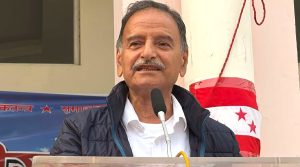
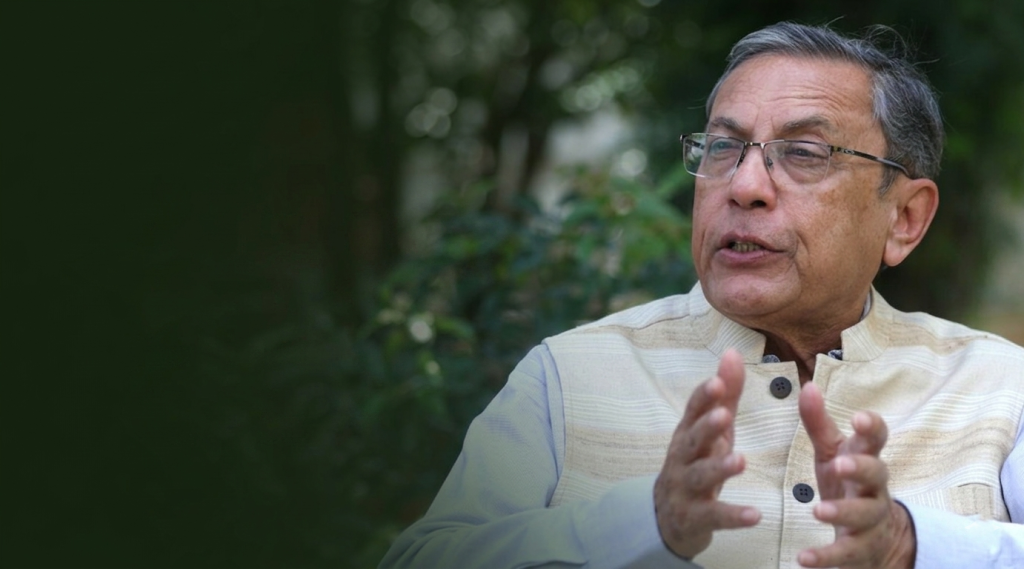
This article is an edited version of his address at an event titled “Contemporary Nepal-India Relations”, organised by the Centre for Social Innovation and Foreign Policy (CESIF) in Kathmandu.