Rasuwa, November 12
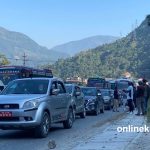
The number of domestic and foreign tourists visiting Gosainkunda, a renowned religious and natural destination in Rasuwa, has started increasing again as road and trekking route access gradually improves following last September’s floods.
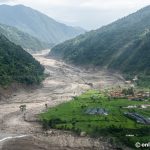
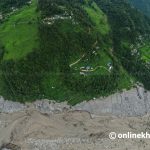
Tourism activities had slowed after the Bhotekoshi River flood on August 26 damaged roads and trekking trails. However, the sector is now gradually recovering as transportation becomes easier.
Gosainkunda Rural Municipality Chairperson Kaisang Nurpu Tamang said the tourism sector, which was affected by the floods, had started becoming active again. The growing arrival of visitors has brought relief to hotel operators, trekking guides, transport workers and other small business owners.
He said the rural municipality was coordinating repairs and maintenance of trekking trails and taking necessary measures to ensure visitors’ safety and convenience.
Ganesh Prasad Tiwari, information officer and conservation officer at Langtang National Park, said tourist arrivals had started returning to normal following improvements in access routes. The park has also been carrying out programmes to conserve the area’s natural environment and biodiversity.
Babula Tamang, chairperson of Rasuwa Civil Society, said the number of pilgrims and trekkers visiting Gosainkunda had increased as roads and trails improved.
Local hotel operator Santosh Ghale said domestic tourists, particularly young visitors, were increasingly travelling to the area. Previously, visitor numbers peaked mainly during Janai Purnima and Ganga Dussehra festivals. However, trekkers and recreational tourists now visit throughout much of the year.
Ghale said sustainable upgrading of trekking trails, better communication facilities and basic infrastructure could help tourism improve local livelihoods and contribute to the national economy.
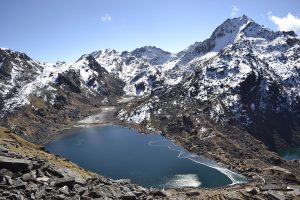
Located within Langtang National Park at an altitude of 4,380 metres above sea level, Gosainkunda lies in Ward 6 of Gosainkunda Rural Municipality. The lake covers approximately 13.80 hectares and holds an estimated 1.47 million cubic metres of water.
A shared religious destination for Hindus and Buddhists, Gosainkunda has significant historical and cultural importance. According to Hindu mythology, Lord Shiva created the lake by striking a mountain with his trident to release water and soothe the burning sensation after consuming poison during the churning of the ocean.
The area was included in the Ramsar List of Wetlands of International Importance on September 23, 2007, in recognition of its ecological significance. It is home to wildlife including snow leopards, red pandas and musk deer, as well as diverse Himalayan flora.
Gosainkunda is also connected to the Helambu, Langtang and Tamang Heritage trekking routes. Major religious gatherings take place during Ganga Dussehra in May-June and Janai Purnima in July-August. Special religious rituals are also held during Balachaturdashi, according to Rasuwa priest Tankaprasad Dhakal.