
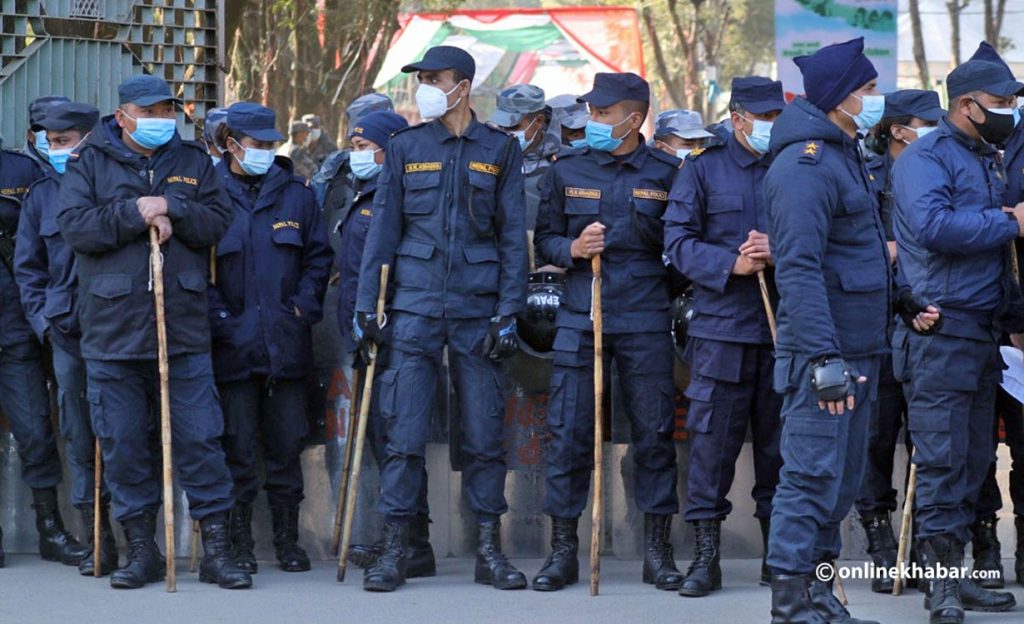
There was a time when seeing the police made me nervous. These days, I find myself feeling sorry for them.
I used to assume that anyone being led away by the police must have been a thief, a fraudster, a thug or a criminal. Now the instinct is almost reversed. When someone is arrested, I wonder whether they might emerge from custody with more public sympathy, greater political standing and a stronger claim to victimhood than they had when they went in.
That is an extraordinary position for a police force to find itself in.
So here is a question for Nepal Police, offered with a smile but not without seriousness: where exactly did you fail – in following orders, or in following the law?
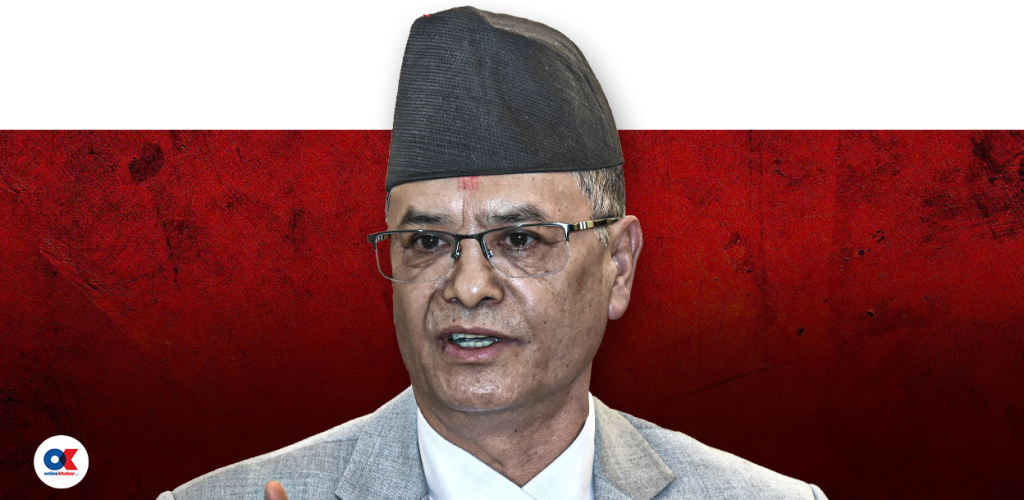
The immediate occasion is the arrest of former chief justice Cholendra Shumsher Rana. But Rana is only the latest case in a pattern that should concern anyone who cares about the credibility of state institutions.
The issue is not whether Rana should be above scrutiny. He should not.
His record is well known. His tenure as chief justice was marked by controversy and ended in an impeachment process. His conduct before and during his time at the top of the judiciary has been extensively debated.
He was widely regarded as a powerful political operator, capable of influencing not only the judiciary but also the executive and legislature. Allegations about his political reach, including claims that he had a say in ministerial appointments, are hardly new.
None of this, however, answers the question the police had to answer.
What crime was committed? What evidence exists? What procedure was followed?
Those are not technicalities. They are the foundations of a democratic state. If there is evidence against Rana, investigate it. If there is a case, prosecute it. If the law requires that he be detained, then detain him. But the state does not get to substitute suspicion for evidence, or political instruction for due process.
That is where this story becomes much bigger than one former chief justice.
The strange logic of protection
The explanation surrounding Rana’s security makes the episode still more difficult to understand.
Reports suggested that he needed protection from threats associated with the Gen Z movement. If that was the case, the obvious response would have been to provide protection.
If someone threatened Rana, investigate the threat. Find those responsible. Take action against them. Instead, the person allegedly under threat was himself taken into custody.
Was the security threat real for only 11 hours? If so, what changed after that? And if there were people threatening him, why were they not the ones being pursued?
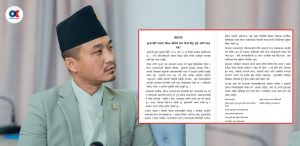
A written request for security has since emerged publicly.
There is something deeply unsettling about the image this creates: a man allegedly taken from his bed in the middle of the night now appealing to the same state apparatus for protection.
The absurdity is difficult to miss.
‘We were only following orders’ is not enough
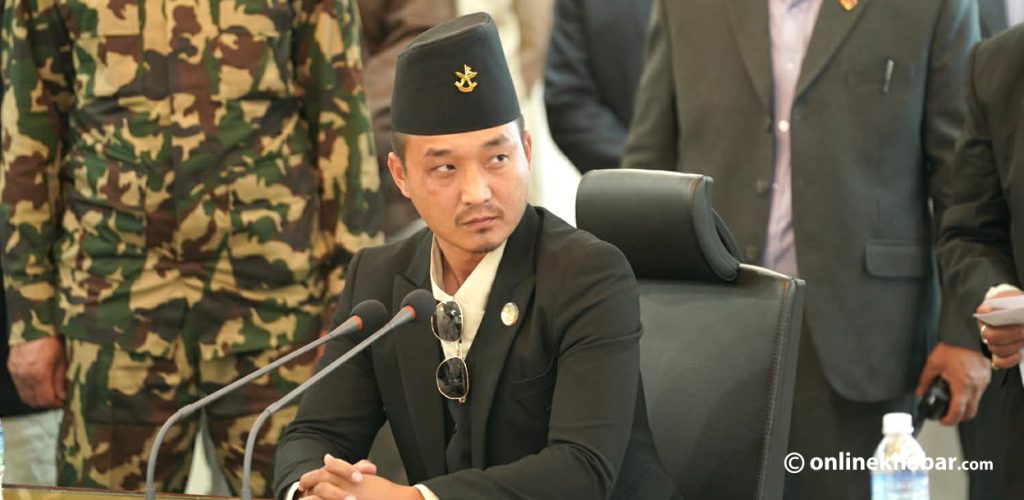
There is a reason democratic policing places such emphasis on the rule of law, accountability and procedural fairness.
The police possess enormous coercive power. They can deprive people of their liberty. They can enter homes, conduct searches and initiate criminal proceedings.
That power is legitimate only when it is exercised within a legal framework.
Perhaps the order to arrest Rana came from the Prime Minister’s Office. Perhaps it came from the Home Ministry. Perhaps the police were simply instructed to act. But “we were following orders” cannot be the end of the conversation.
In a democracy, the law is the limit of state power. And when an order conflicts with the law, the police face their most important professional test.
Not when they arrest someone powerless. Not when they act against a suspect who has no political connections. The real test comes when the order comes from above.
Can the police still say no?
The real test for the police
This is why the question to the inspector general is not whether the police can arrest people.
Of course they can. Nepal Police has decades of experience investigating crimes, making arrests and pursuing prosecutions. It is not an institution that needs to be taught how to investigate.
The question is whether it can maintain professional independence when the political stakes are high.
Several recent high-profile arrests have raised questions about the evidence and legal grounds presented by the Home Administration. When arrests appear to be driven by political impulse rather than transparent procedure, the consequences can be precisely the opposite of what the government intends.
Politicians who might otherwise have struggled to attract sympathy can suddenly become victims.
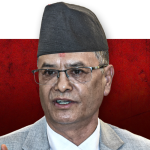
KP Sharma Oli, Ramesh Lekhak and Bishnu Paudel, among others, have benefited from the public sympathy generated by confrontational state action, while several business figures have also found themselves caught up in similar episodes.
So, IGP sir, is something wrong with the system? Because the purpose of policing is to establish facts, not to manufacture martyrs.
Nepal has seen this before
There is an uncomfortable familiarity to all of this. Nepal’s political history is full of moments when rival factions have attempted to turn state institutions against one another.
When KP Sharma Oli and Madhav Kumar Nepal fought, when Pushpa Kamal Dahal and Baburam Bhattarai fell out, when Girija Prasad Koirala and Sher Bahadur Deuba were locked in political battles, the machinery of the state was repeatedly drawn into those struggles.
Cases were threatened. Police machinery was mobilised. Investigations appeared and disappeared with the political weather. People who might otherwise have faced prosecution sometimes found shelter behind political power.
The personalities change. The temptation does not.
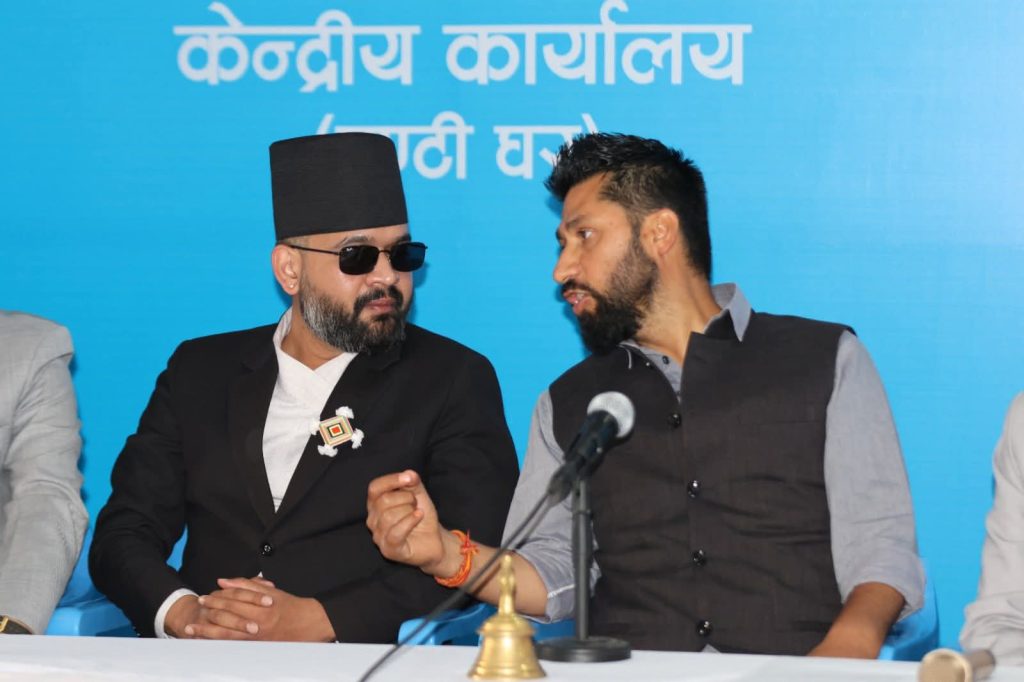
Today, tensions between Rastriya Swatantra Party chair Rabi Lamichhane and prime minister and senior party leader Balen Shah have created another political faultline. Rana now appears to have become entangled in it.
Perhaps there is a perfectly legitimate case against him. If there is, the answer is straightforward. Produce the evidence. Follow the law. Follow the procedure. Make the process transparent. If the evidence justifies 11 hours in custody, so be it. If it justifies 11 years, so be it. But show the evidence.
That is the difference between the exercise of lawful power and the arbitrary exercise of power.
The silence of a party built on good governance
There is another striking feature of the current moment. The Rastriya Swatantra Party has rarely been shy about expressing an opinion. Its political voices have spoken on subjects ranging from the melting of the Himalayas to storms at sea.
Yet when an episode directly touches the party’s central promise of good governance, the response has been remarkably quiet. That matters.
Good governance is not a slogan to be deployed against one’s opponents. It is a principle that becomes meaningful precisely when applying it is politically inconvenient.
If the state is acting lawfully, explain why. If it is not, say so. Silence is not a substitute for accountability.
The question is bigger than Cholendra Rana
Nepalis have already made their demand clear. They want good governance.
The Gen Z uprising last year and the government formed after were products of that demand. Citizens who placed their hopes in a new political order are entitled to expect more than a change in the people operating the machinery of the state.
They should not have to watch one form of political influence being replaced by another. And the police should not be pulled into the personal ambitions, rivalries or calculations of politicians.
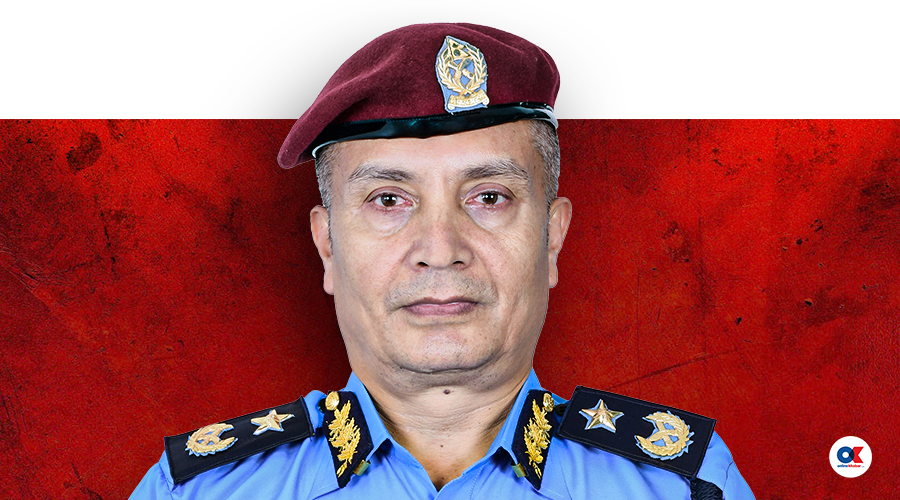
The principle is simple. The police must enforce the law. They must not become the servants of whoever happens to hold power.
A police force derives its immediate power from its weapons and its uniform. But that is not what gives it legitimacy. Legitimacy comes from public trust.
And trust is lost when citizens begin to suspect that the police do not ask whether something is lawful, but whether someone powerful has ordered it.
Cholendra Rana may be the latest example. But the real issue is not Rana. It is the police themselves.
When power gives the order, whom will the police obey? That is the question on which their credibility will ultimately depend.