Foreign Minister Shishir Khanal has described the devastating flood in Rasuwa as a “Himalayan tsunami.”
He remarked while speaking at a meeting of the House of Representatives’ International Relations and Tourism Committee on Thursday. He said he has taken to calling the current flooding a “Himalayan tsunami,” adding that the disaster has shaken the narrative of prosperity Nepal has been building for the past 20–25 years.
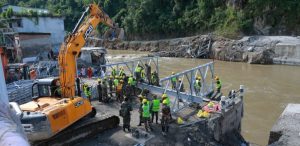
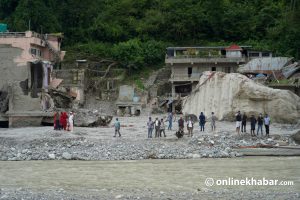
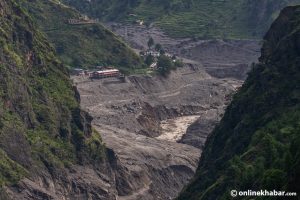
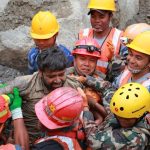
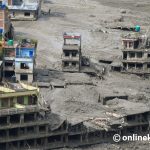
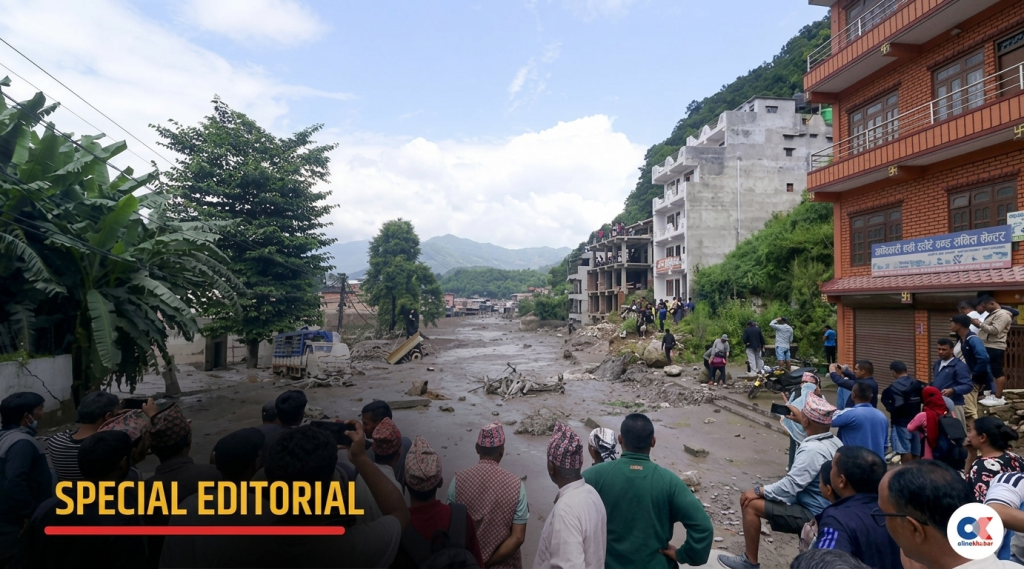
The devastating flood hit Rasuwa on August 26, causing damage along riverside areas stretching from Rasuwa and Nuwakot to Dhading and Chitwan.
The government has concluded that climate change is behind the damage, and Minister Khanal said further studies are underway on the matter.
According to Khanal, Nepal’s prosperity is closely tied to river corridors, particularly the Himalayan river corridor, with major north-south road plans envisioned around them. He noted that a bridge project being planned jointly with two neighbouring countries also depends on connectivity along this river corridor as a key lifeline.
He added that over the past 30–40 years, Nepal’s settlement and market development has also clustered around river-corridor basins, and that hydropower, central to the country’s prosperity ambitions through power generation and export, is likewise ultimately tied to the Himalayan river corridor.
A Nepali delegation led by Prime Minister Balendra Shah is set to travel to the United States next week to attend the UN General Assembly. It was against this backdrop that the parliamentary committee held discussions with climate change experts.
At the meeting, experts shared their views on the climate risks facing Nepal, climate justice, international cooperation, and climate finance, along with how Nepal can more effectively present climate issues on the international stage.
Minister Khanal said Nepal’s participation in the General Assembly would be an important opportunity to present the country’s international relations and diplomatic priorities. He added that a key priority now is consolidating research and studies conducted on the Himalayan region, both within Nepal and abroad, into a single, consistent national position.