

Mustang, September 7
The traditional Falo festival celebrated by the local Thakali community began on Sunday in Thini village of Gharpajhong Rural Municipality-3 in Mustang.
The festival is known as “Falo” in the local Thakali language because it is celebrated every year during the month of Bhadra (August–September).
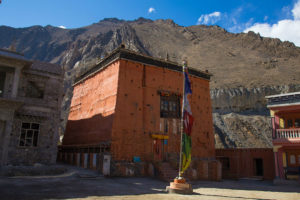
Thini village, regarded as the ancestral homeland of the Thakali community, is considered significant for its historical, religious and cultural heritage. According to residents, the Falo festival has been celebrated in the village for generations, dating back to the time when a Thakali king ruled the area.
Various religious and cultural activities are held in Thini village over the two-day festival. On the eve of the festival, village lamas perform a special nature worship ceremony, after which residents receive their blessings.
As the lamas leave for the nature worship ceremony, local women traditionally bid them farewell by presenting khadas and placing flower garlands around them as a mark of respect.
According to local lama Shyam Prasad Thakali, the Thakali community worships the mountains as manifestations of the gods during the Falo festival. He said the nature worship ceremony is performed with prayers for the well-being of the village, protection from diseases, a good harvest, protection from natural disasters and peace throughout the world.
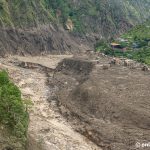
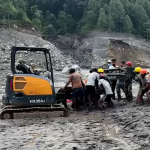
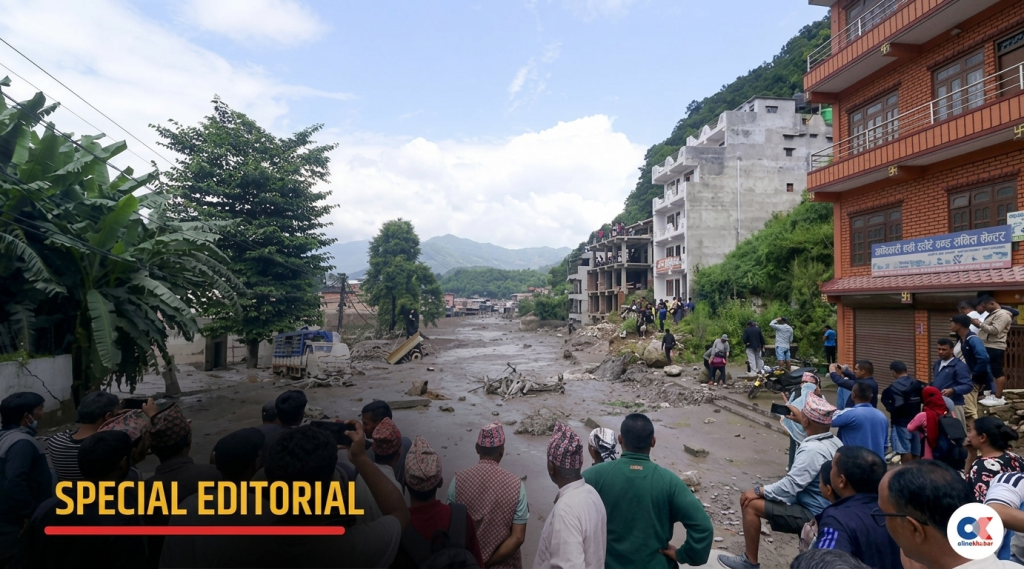
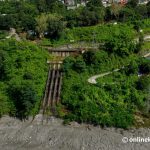
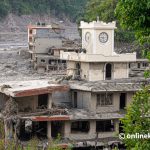
Recalling the increasing frequency of disasters in recent years and the heavy loss of life and property caused by the devastating Bhotekoshi floods in Rasuwa, Thakali said prayers are also offered during the ceremony for such disasters not to happen again.
On the eve of the Falo festival, residents of Thini village travelled on horseback to the Namkhulek area to perform the nature worship ceremony. The village women traditionally bid farewell to the lamas participating in the festival with due respect.
The group that left for the nature worship ceremony will return to the village after two days. According to residents, the Falo festival will formally begin only after their return.
The festival features cultural performances and traditional dances, including the yak dance, Jogi dance and Tamaya dance. The two-day festival will conclude according to religious rituals and traditional practices.