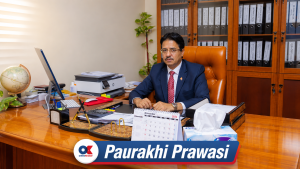


When Raj Regmi first landed in Qatar in 2003, he had a modest goal shared by thousands of Nepali migrant workers: find a job and support his family back home.
More than two decades later, the Baglung-born entrepreneur has become an employer of thousands of workers in Qatar, with around 70 percent of them Nepali.
Regmi, who is also a vice-president of the Non-Resident Nepali Association (NRNA) International Coordination Council, has built businesses in Qatar while investing in Nepal’s hydropower, banking, healthcare and real estate sectors.
His journey, however, began without a major business plan.
At 22 or 23, Regmi left Nepal amid political instability and limited employment opportunities. With the help of an uncle already working in Qatar, he arrived in the country for his first international flight and his first experience of working abroad.
From 2003 to 2006, he worked as a sales representative in the telecommunications sector.
The experience introduced him to Qatar’s market, business systems and working culture. It also exposed him to the challenges of living and working far from home.
“I did not come to Qatar with a big dream,” Regmi recalls. “But today, I have become a source of employment for thousands of Nepalis. That gives me the greatest satisfaction.”
From employee to entrepreneur
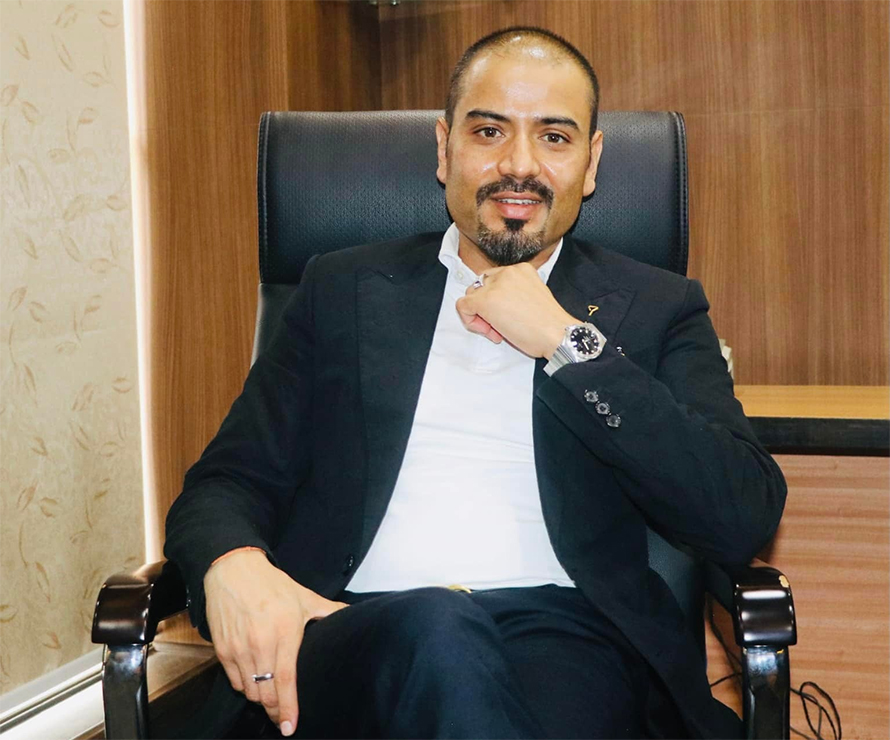
Raj Regmi returned to Nepal in 2006 with plans to start his own business in Qatar. However, restrictions on changing companies meant he had to spend about two years in Nepal preparing for the move.
In 2009, he returned to Qatar and established companies including Phidas Trading and Ocean, entering the construction and related service sectors.
He started with limited capital, focusing on road and building construction, oil and gas-related projects, housekeeping and maintenance.
His business expanded rapidly, particularly during Qatar’s preparations for the 2022 FIFA World Cup, when construction activity reached a peak.
His companies became involved in major infrastructure projects, including metro and stadium-related works. At one point, as many as 5,000–6,000 workers were working under his companies.
Today, his businesses employ around 4,000–5,000 workers.
Regmi says the experience taught him that business growth depends not only on capital but also on trust, discipline and the treatment of workers.
His companies adopted a policy of not charging workers recruitment fees and assisting them with visa processing and interviews.
For Regmi, the success of his business has also been closely linked to the contribution of Nepali workers.
Changing perceptions of Nepalis
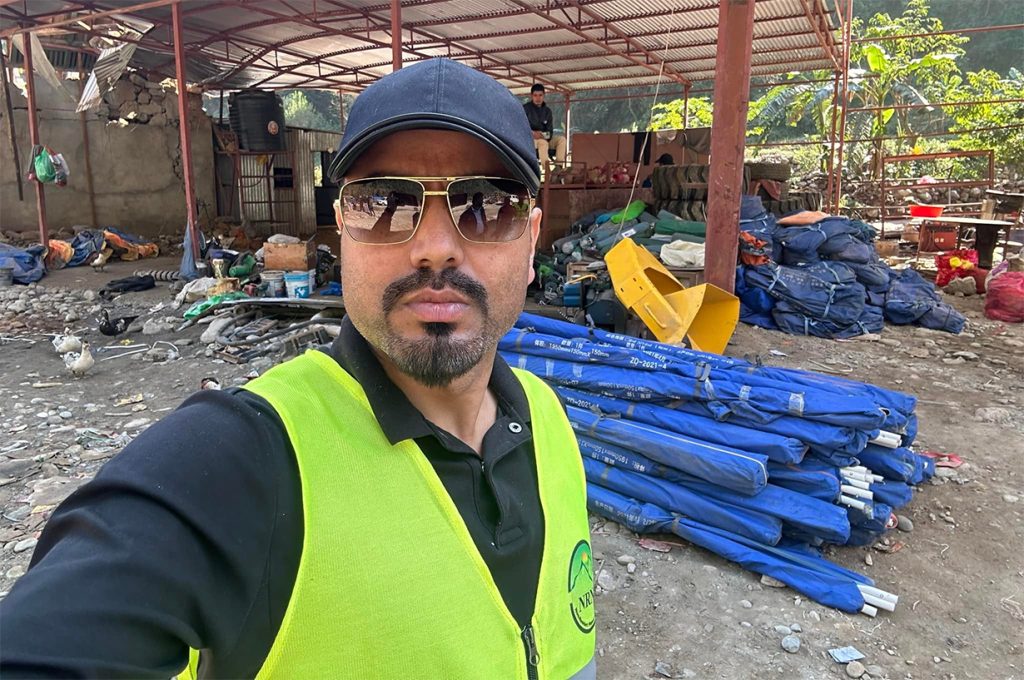
Raj Regmi has witnessed a significant change in how Nepalis are perceived in Qatar.
Nepalis were once largely associated with construction and cleaning jobs. Today, he says, Nepalis are increasingly visible as doctors, engineers, managers and entrepreneurs.
He attributes this change to the community’s discipline, honesty and work ethic.
His own workforce reflects that shift, with Nepalis making up around 70 percent of his employees.
Regmi has also developed close ties with the wider Nepali community through his involvement in the NRNA and other business and social organisations.
During the COVID-19 pandemic, he worked through the NRNA to distribute food and medical supplies and support Nepalis who had lost their jobs.
Beyond business
For Raj Regmi, business is not simply a means of generating income.
He believes the experience and capital accumulated by Nepalis abroad can play a significant role in Nepal’s economic transformation if the government creates a more predictable investment environment.
He has invested in Nepal in hydropower, banking, healthcare and real estate but remains concerned about lengthy procedures and a lack of incentives for investors.
He believes Nepal needs clearer policies, easier access to investment and credit, and greater trust between the government and private sector.
“Foreign employment should not only be about sending workers abroad,” he argues. “The knowledge, skills, networks and capital they gain should also be brought back and invested in Nepal.”
Qatar as a learning ground
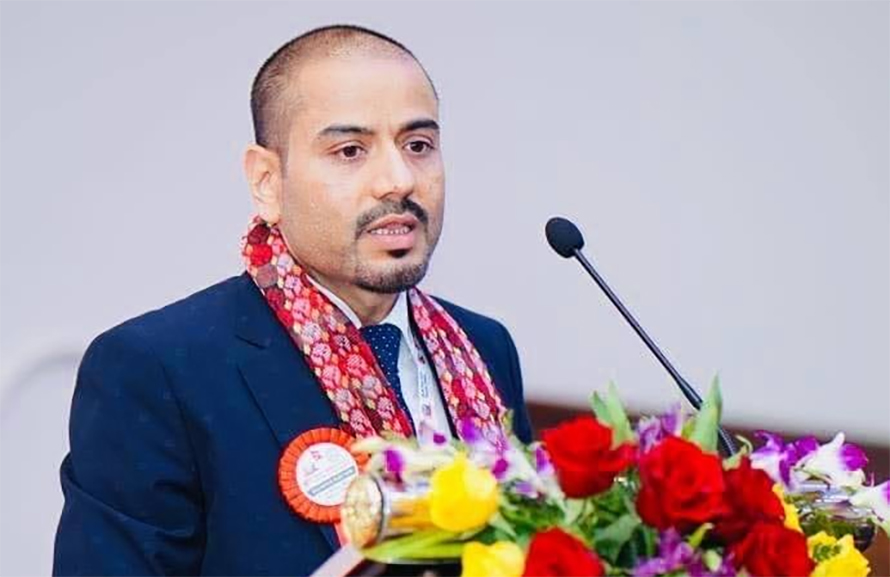
Raj Regmi describes Qatar as more than a destination for foreign employment. For him, it became a “university” where he learned about business, discipline, policy and development.
The early difficulties—from language barriers to understanding government procedures—gradually became lessons that helped him build his businesses.
He says Nepal can learn from Qatar’s development experience, particularly in areas such as policy clarity, infrastructure development and attracting investment.
He also sees potential for greater Nepal-Qatar cooperation in hydropower, tourism and industry.
Despite building a sizeable business empire abroad, Raj Regmi says his greatest achievement remains the employment his companies have created.
He left Nepal as a young migrant worker looking for a job.
More than 20 years later, his journey has taken him from being an employee in Qatar to becoming an entrepreneur, investor and employer of thousands—including many Nepalis who followed a path similar to his own.