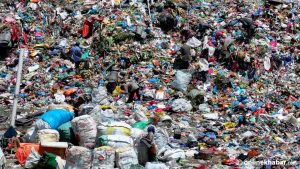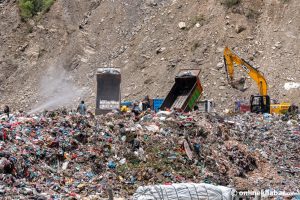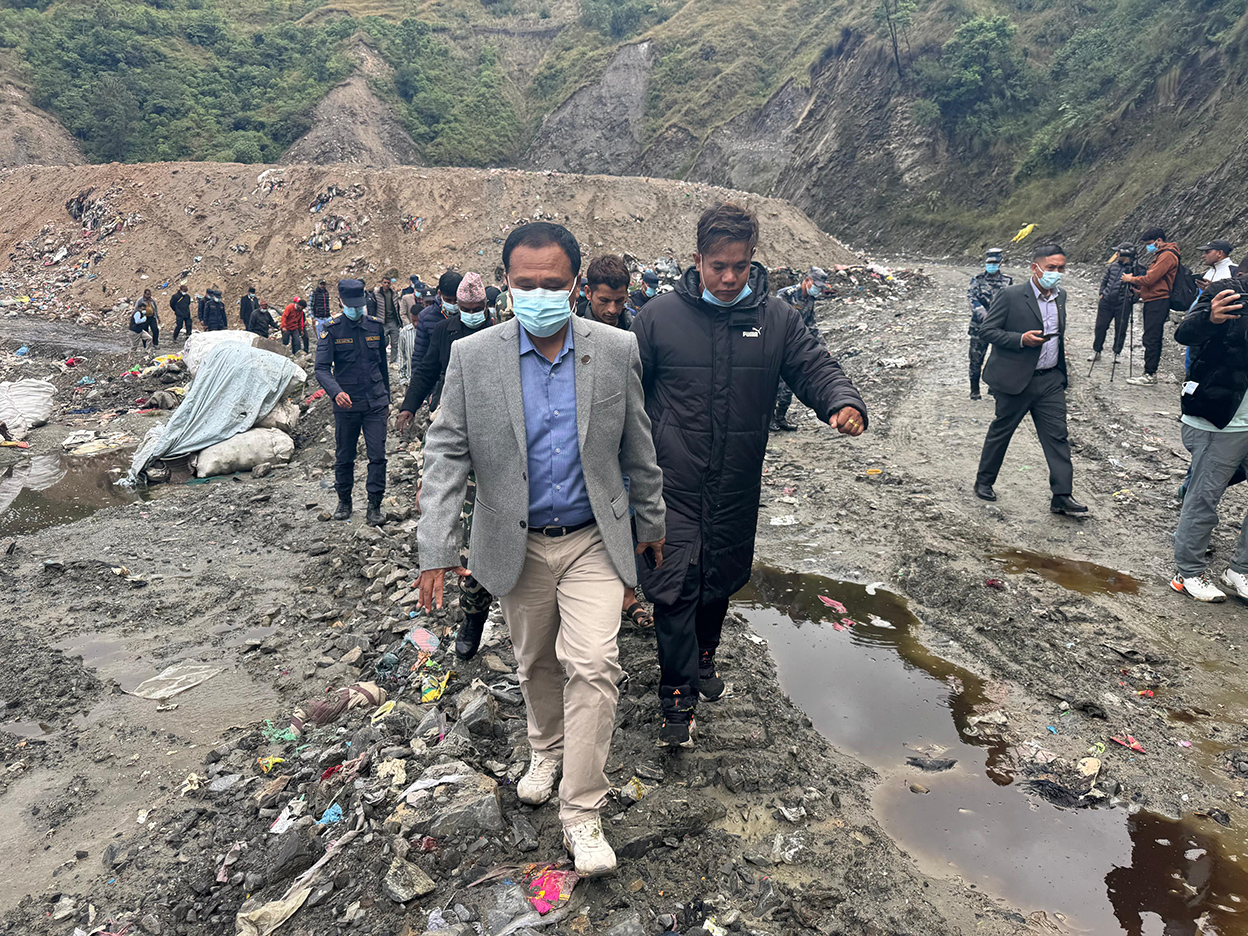

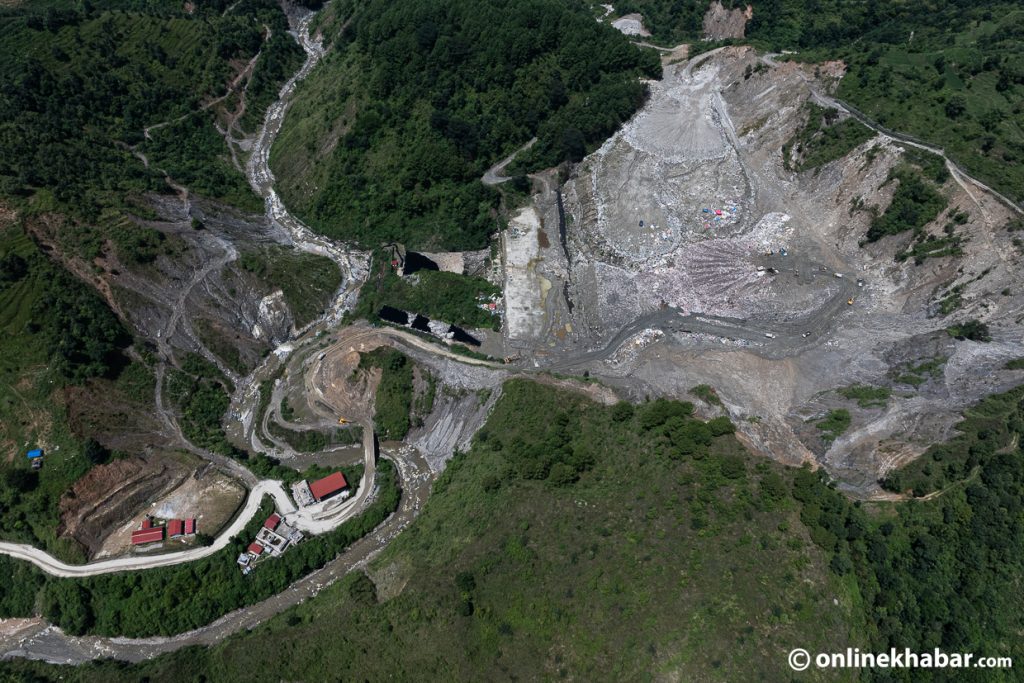
For residents living near the Bancharedanda landfill in Dhunibesi, waste from Kathmandu Valley has become a daily source of foul smells, polluted water and health problems.
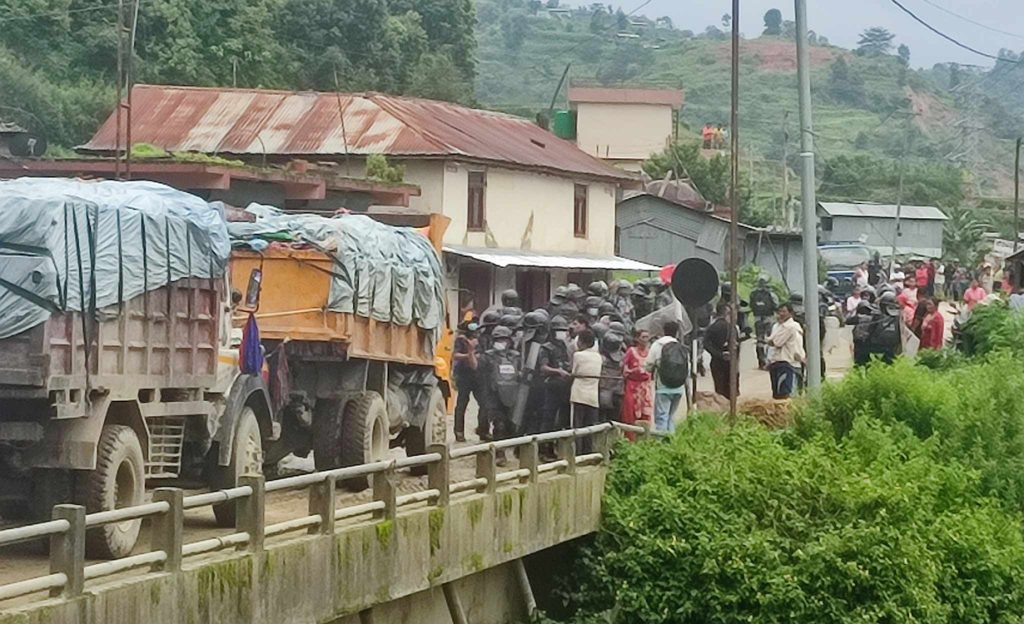
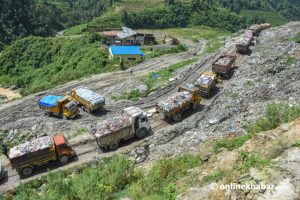
The settlement lies close to the landfill where waste from Kathmandu Valley and 21 local units is dumped. When the wind blows, the stench spreads through nearby villages. Crows, kites and stray dogs carry carcasses and waste into residential areas.
“We have been living in hell for two decades,” said Ram Babu Upreti, a resident of Dhunibesi Municipality-1. “It has become impossible to live in the village.”
Residents say the situation has worsened since waste began being transported to the Sisdole-Bancharedanda landfill sites.
“Birds and animals carry carcasses from the landfill and leave them on the roofs of our houses. Are only the people of Kathmandu citizens? Aren’t the people of Dhunibesi and Kakani citizens too?” Upreti asked.
He claimed that more than 100 people in the area are suffering from cancer. Upreti also said 46 people have died after being hit by vehicles transporting waste.
“You cannot kill people like this,” he said.
‘My parents died of cancer’
Badri Bahadur Ojha of Dhunibesi-1, Bancharedanda, says cancer has affected his own family as well as the wider community.
“Both my father and mother died of cancer. My elder uncle and other relatives also died of cancer. Many people in the village have cancer,” he said.
Ojha says he has also developed lumps and boils on his body.
“Everyone here has become a cancer patient. Some have died at a very young age. I also have lumps on my body. They itch and I have to keep taking medicine,” he said, pointing to the lumps on his body.
Residents of wards 1, 3 and 4 of Dhunibesi Municipality and wards 1, 2 and 3 of Kakani Rural Municipality say they have been directly affected by the landfill.
Dhunibesi-1 Ward Chairperson Man Bahadur Tamang said his ward is the worst affected.
“There are around 4,500 people in the ward. All of them are affected,” he said.
According to Padam Balami, ward chairperson of Kakani-1, around 1,100 households in the ward have health insurance.
“Even after waste was shifted from Sisdole to Bancharedanda, the problem remains the same,” he said.
Kakani-2 has around 1,200 households, of which 600 are considered severely affected, according to Ward Chairperson Krishna Ghimire.
“The situation is miserable. People are suffering because the waste problem has not been resolved,” he said.
In Kakani-3, around 300 of the 900 households are considered severely affected, according to Ward Chairperson Ghananath Bajgai.
“This is the ward closest to Bancharedanda. The situation is difficult,” he said.
Health problems spread across the settlements
Residents say the settlements have been hit by a range of illnesses, including cancer, heart disease and kidney problems.
Cases of diarrhoea, typhoid, respiratory problems and skin diseases are also reported frequently.
Senior cardiologist Dr Rajendra Koju says exposure to waste can expose people to biological and chemical contaminants.
“Waste can directly affect the lungs and skin. If the waste is highly contaminated, it can even cause serious diseases such as cancer,” he said.
The residents say they have also been deprived of their constitutional right to live in a clean and healthy environment.
Article 30 of Nepal’s Constitution guarantees every citizen the right to live in a clean and healthy environment. It also provides for compensation for victims of environmental pollution and degradation.
Residents say those constitutional guarantees have done little to improve their situation.
The government has provided health insurance to affected communities, but residents complain that they struggle to access treatment.
“We have health insurance, but when we reach hospitals, we are made to run around. There are not even enough medicines at the health post,” one resident said.
Although health posts operate in the affected settlements, residents say they lack specialist doctors, laboratory services, adequate medicines and regular health check-ups.
“The government gave us disease, but not treatment,” said another local resident.
Sisdole Health Post has also acknowledged a shortage of medicines.
“We only have medicines for fever and diarrhoea,” said Raj Kumar Neupane.
More than 5,000 patients visit Sisdole health post annually
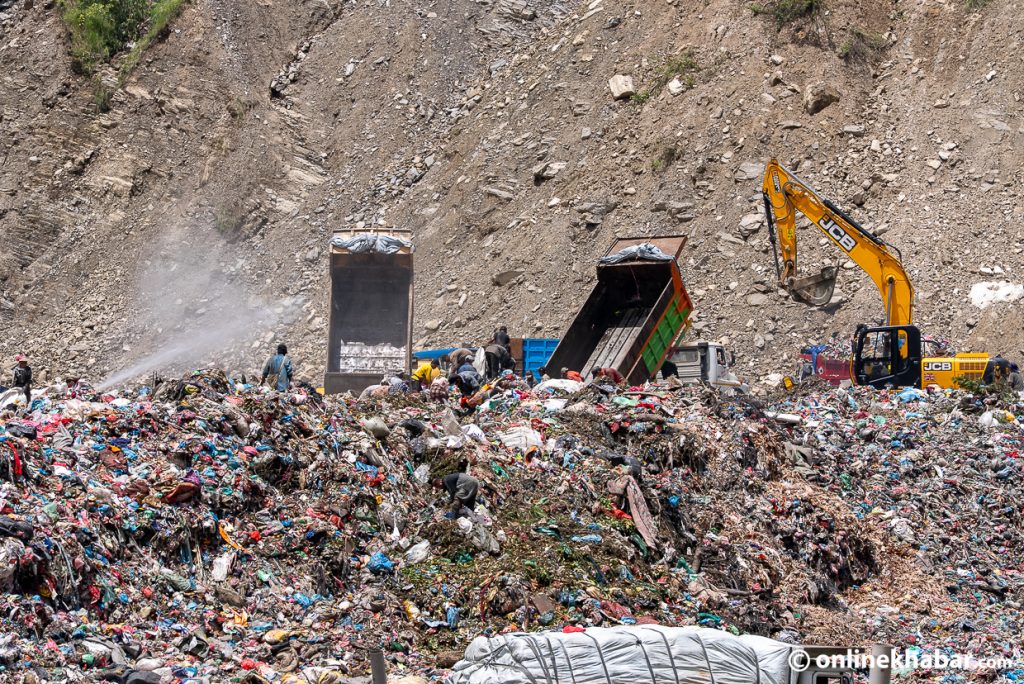
More than 5,000 patients visit the Sisdole Health Post every year for treatment.
Health workers say patients suffer from respiratory illnesses, skin problems, diarrhoea, typhoid and other diseases.
According to Neupane, many patients with serious illnesses such as cancer travel to Kathmandu for treatment, particularly because they have health insurance.
“More than 5,000 patients come here every year. Some of the illnesses are related to the waste, while others are infectious diseases,” he said.
The figure does not include residents who travel directly to Kathmandu for treatment.
Neupane said the polluted environment has contributed to the high number of patients.
“The environment here itself is polluted, so naturally there are many patients,” he said. “We also see patients with wounds, boils and allergies after coming into contact with leachate.”
Polluted water adds to residents’ problems
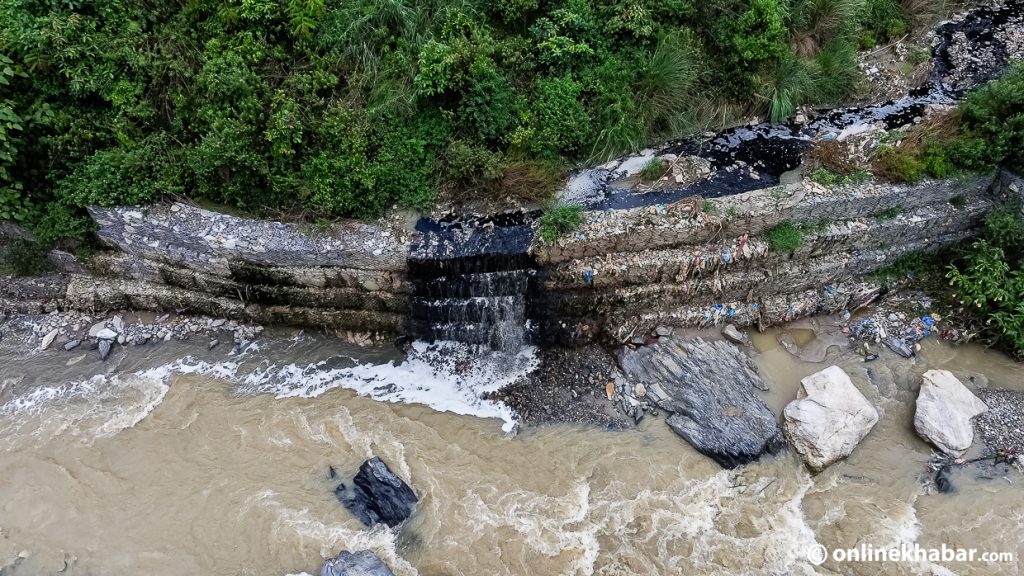
The Kalpu River flows near the settlements, but residents say the water source has been contaminated by waste. As the river has become polluted, locals say they have been deprived of access to clean drinking water.
Article 35 of the Constitution guarantees every citizen the right to access clean drinking water and sanitation. Residents say they are being denied that right despite living just a few kilometres from the capital’s main waste disposal site.They recall that the government had once promised employment opportunities for affected households.
“Instead of one job per household, we now have one sick person per household,” said local resident Dhruva Prasad Upreti.
“We did not have to go to hospitals before. Since the waste started coming here, we have had to keep visiting hospitals.”
For the residents of Sisdole and Bancharedanda, the landfill has therefore become more than a waste-management issue. It has become a question of health, clean water and whether they can continue to live safely in their own homes.