Kathmandu, August 20
Finance Minister Dr Swarnim Wagle has said foreign aid to Nepal has been declining, with sources of grants and concessional loans becoming increasingly limited.
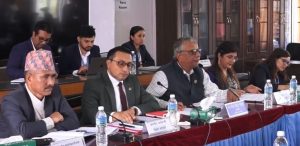
Speaking at a meeting of the Public Accounts Committee on Thursday, Wagle said Nepal now needs to mobilise private capital as an alternative, as traditional sources of foreign assistance continue to shrink.
According to Wagle, Nepal has relied on foreign aid and loans since its first budget to finance expenditures that could not be covered by domestic revenue. However, as the economy and the size of the national budget have grown, the share of foreign grants has declined.
“Concessional resources are narrowing. Almost all of Nepal’s major infrastructure projects were built using these loans,” Wagle said. “Traditional sources of foreign aid are now drying up. So, we are moving towards new sources of private capital.”
Wagle said the current budget has set a target of borrowing around Rs 212 billion in foreign loans, while foreign grants have been estimated at around Rs 62 billion. However, although grants of Rs 48 billion to Rs 52 billion have been projected in recent budgets, actual receipts have generally remained around Rs 10 billion to Rs 15 billion.
He said highly concessional loans, which carry interest rates of around 1% to 1.5%, with no repayment required for the first eight years and repayment periods extending up to 40 years, are gradually becoming unavailable.
Wagle said foreign assistance should be analysed separately, including aid received through NGOs and international NGOs, bilateral grants and multilateral concessional loans.
He noted that assistance through INGOs has been declining and now represents a relatively small share compared with the size of Nepal’s budget and economy.
According to Wagle, concessional loans from multilateral development partners remain an important source of development financing. However, he warned that financing conditions are becoming increasingly difficult, with rising interest rates, shorter grace periods and shorter maturity periods, while competition for limited concessional resources is also increasing.
“We are heading into an extremely challenging phase,” he said.