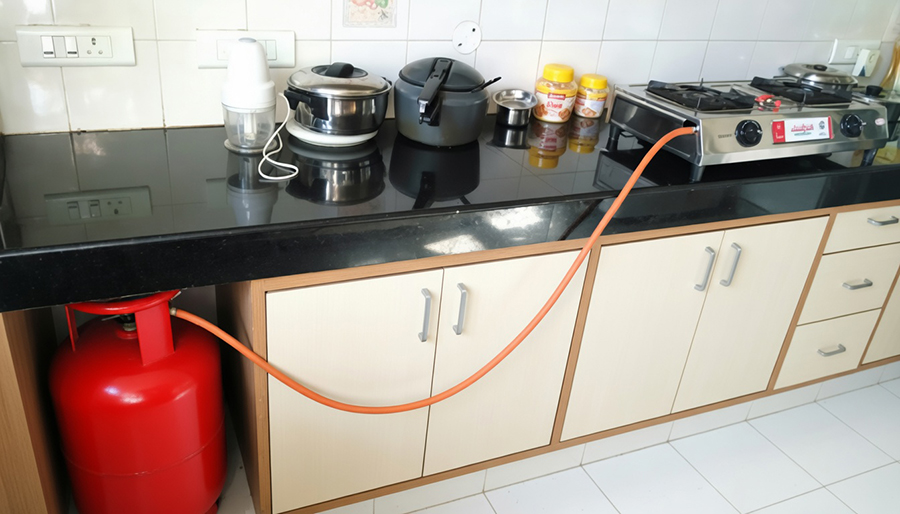
Rising gas prices and increasing demand have become a challenge for everyone. However, with some smart methods, gas can be saved and made to last nearly twice as long. There are several scientific and effective ways to reduce fuel consumption by up to 50 per cent.
Many people unknowingly waste a large amount of gas by using the wrong burner or cooking in uncovered pots. Small changes, such as using a pressure cooker properly, soaking lentils, and regularly cleaning burners, not only save gas and money but also significantly reduce cooking time.
These 10 tips can help make your kitchen smarter and more cost-effective.
- Use a pressure cooker more often
A pressure cooker is the best option for cooking. Cooking lentils and hard vegetables in open pots consumes more gas. The pressure inside the cooker cooks food quickly. When used properly, it can reduce cooking time by 40 to 70 per cent, saving both gas and time in the kitchen. - Soak grains in advance
Soaking lentils, kidney beans, chickpeas, and rice before cooking is one of the easiest ways to save gas. Soaked grains become softer and cook faster. For example, soaking kidney beans overnight significantly reduces cooking time. This can save 30 to 50 per cent of fuel and also helps the body absorb nutrients more easily. - Match the burner size with the utensil
Many people make the mistake of using a large burner for small pots, causing flames to escape around the sides and waste gas. Always use a burner that matches the size of the pot. The flame should stay within the base of the utensil. Large burners should only be used for heavy or large pots. - Cook with a lid on
Cooking in open pots leads to major gas wastage as heat escapes with steam. Always cover pots and pans with a lid. This traps heat and pressure inside, helping food cook faster. This simple change can save 20 to 30 per cent of fuel and also improve texture and taste. - Cut vegetables into smaller pieces
The way vegetables are cut also affects gas consumption. Smaller, evenly cut pieces cook faster because heat penetrates more quickly due to increased surface area. - Cook multiple items at once in a multi-layer cooker
If you have a multi-layer pressure cooker, cook several items together. You can cook lentils at the bottom and rice or vegetables in the upper compartments. This allows you to prepare multiple dishes at once, saving gas and reducing the need to wash dishes repeatedly. - Clean burners regularly
Dirt and grease can block burner holes, preventing proper flame flow. If the flame appears yellow or orange, it indicates incomplete combustion and gas wastage. A blue flame provides the best heat. Clean the burner every 15 days using a brush or pin. - Use residual heat
Turn off the gas 5 to 10 minutes before the food is fully cooked. Thick-bottomed pots retain enough heat to continue cooking even after the gas is turned off. For example, rice or pasta can be turned off when 80 per cent cooked and left covered to finish cooking with steam. This habit can save a significant amount of gas over time. - Use thick, flat-bottomed cookware
The type of cookware also affects gas consumption. Always use utensils with thick bases, as they distribute heat evenly and retain it longer. Flat-bottomed pots absorb heat better from the burner. Stainless steel or cast-iron cookware is considered best for saving gas. - Use electric appliances and batch cooking
Use an electric kettle instead of a gas kettle for boiling water, as it is more efficient. Also, practice batch cooking, prepare lentils, rice, or legumes in larger quantities at once and store them in the fridge. Reheat only what you need. Cooking in bulk reduces the need to repeatedly use gas, saving more fuel overall.