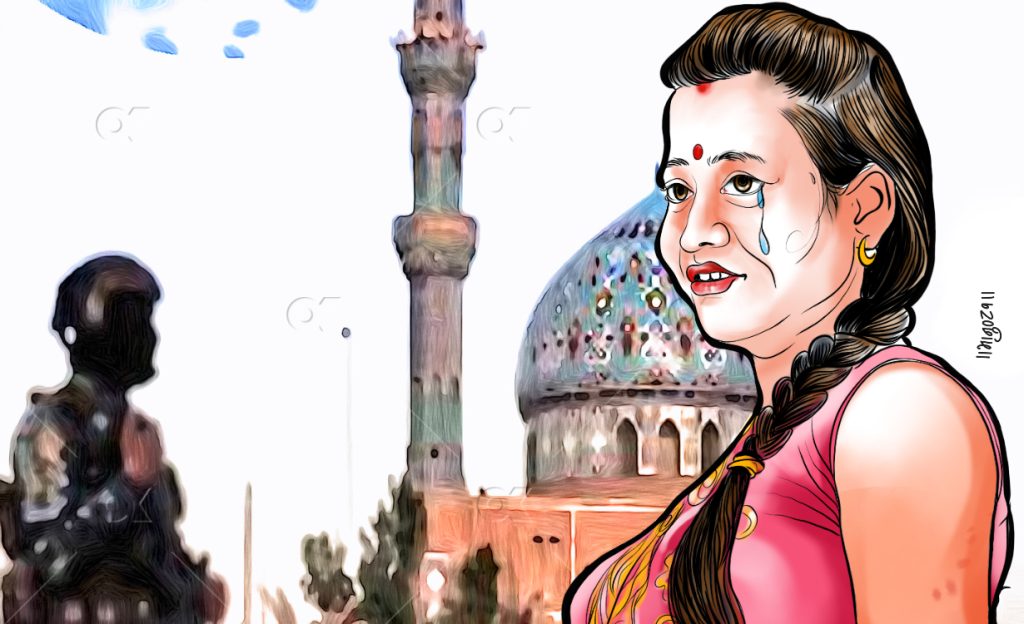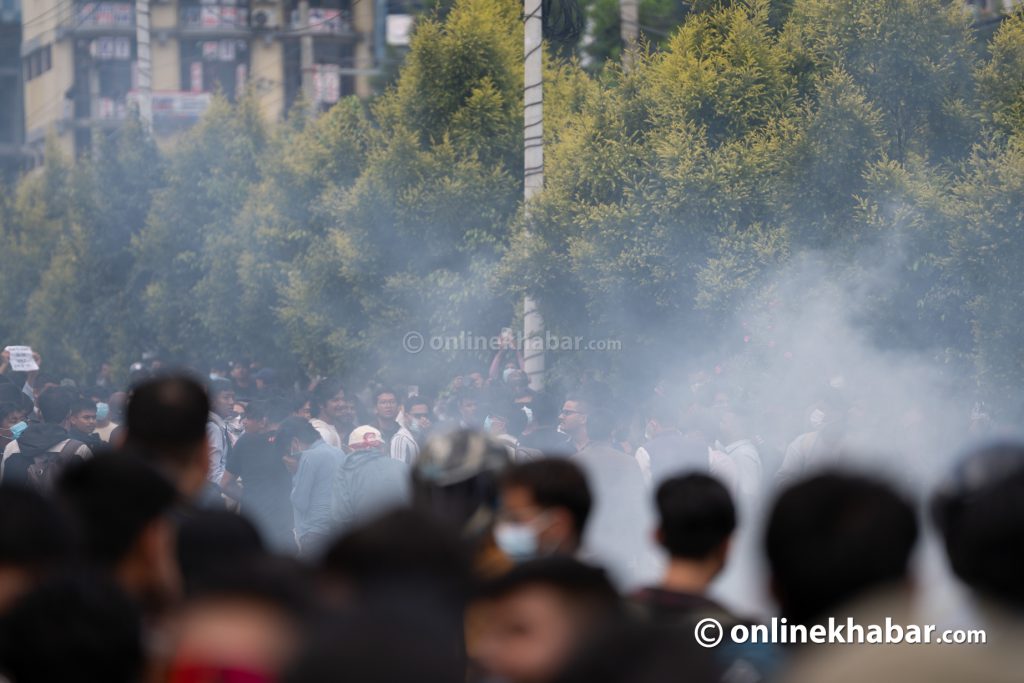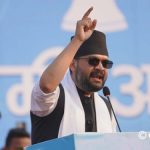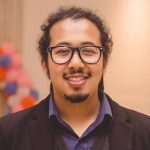
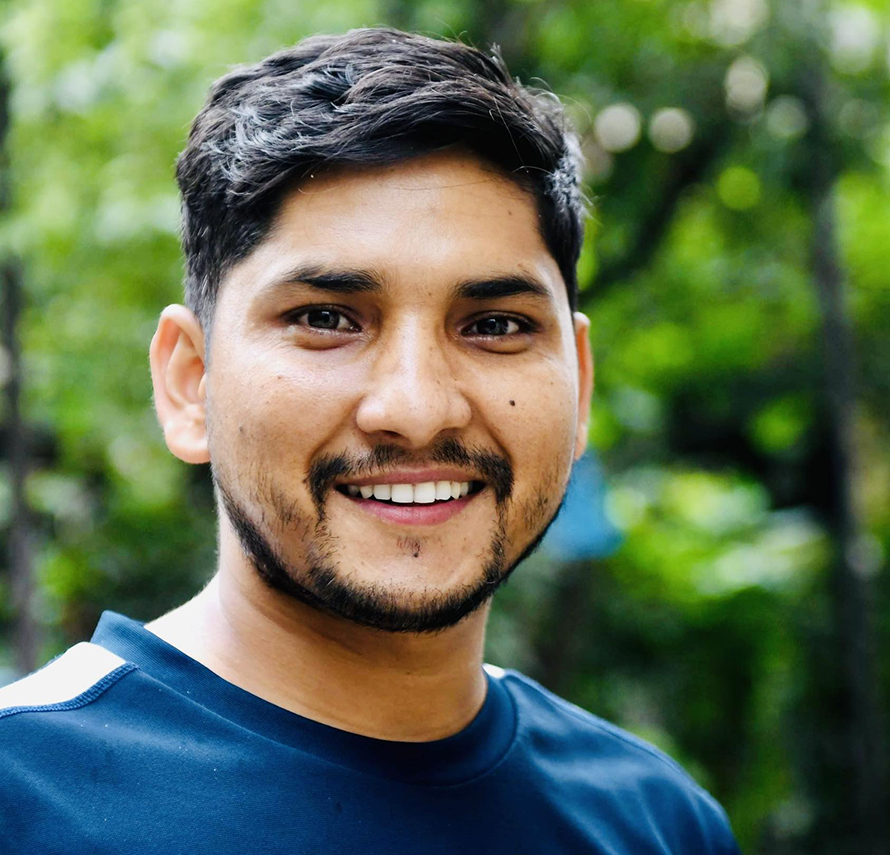

Former Prime Minister KP Sharma Oli and Ex Home Minister Ramesh Lekhak have been taken into custody on charges of involvement in the suppression of the Gen Z protests on September 8 and 9.
Both of them have been in police custody since last Saturday (March 28). On Tuesday, former Chief District Officer of Kathmandu, Chhabilal Rijal, was also arrested.
The investigation into these incidents is currently being conducted by the District Police Range, Bhadrakali, Kathmandu.
A commission led by former judge Gauri Bahadur Karki had recommended action against them after finding them responsible. Following the Cabinet’s decision to implement the commission’s report, arrests of high-ranking officials have begun.
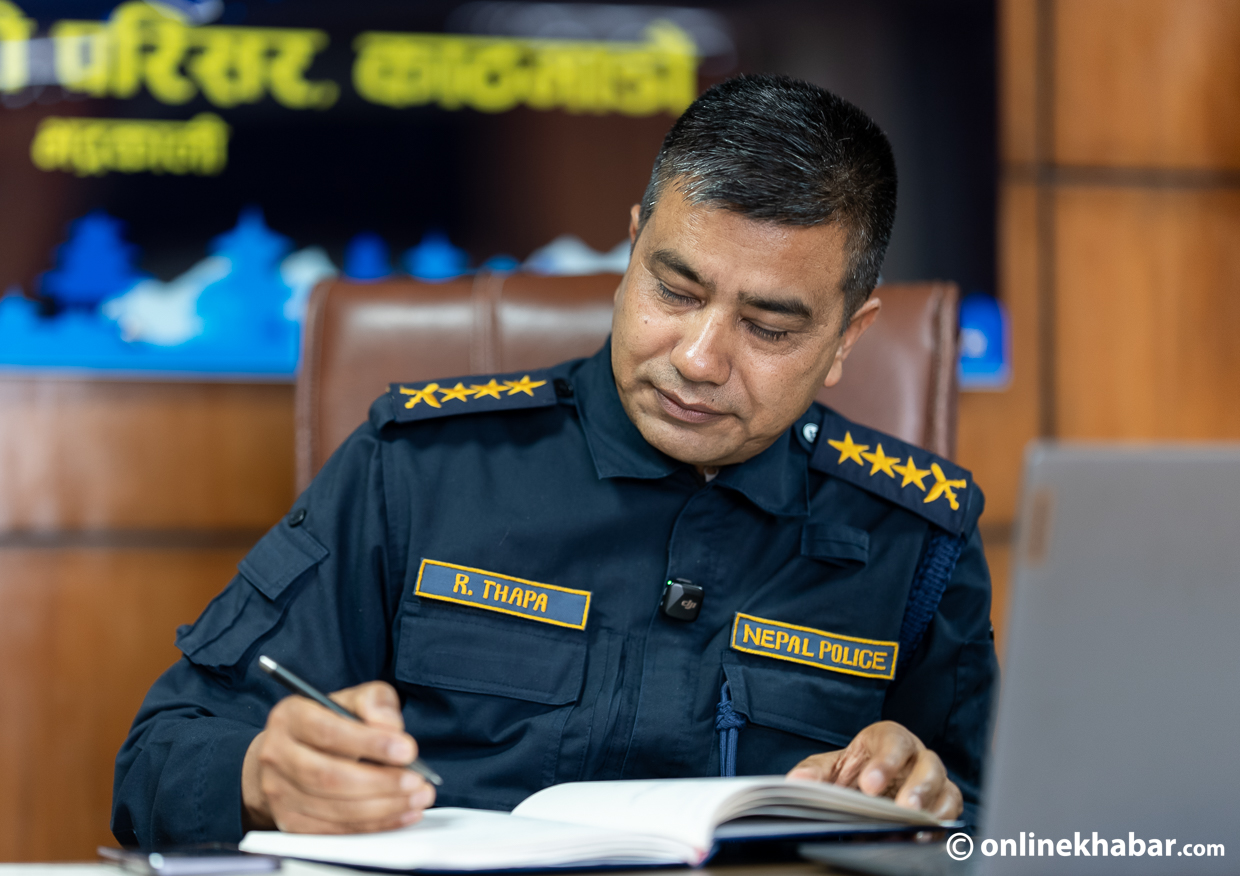
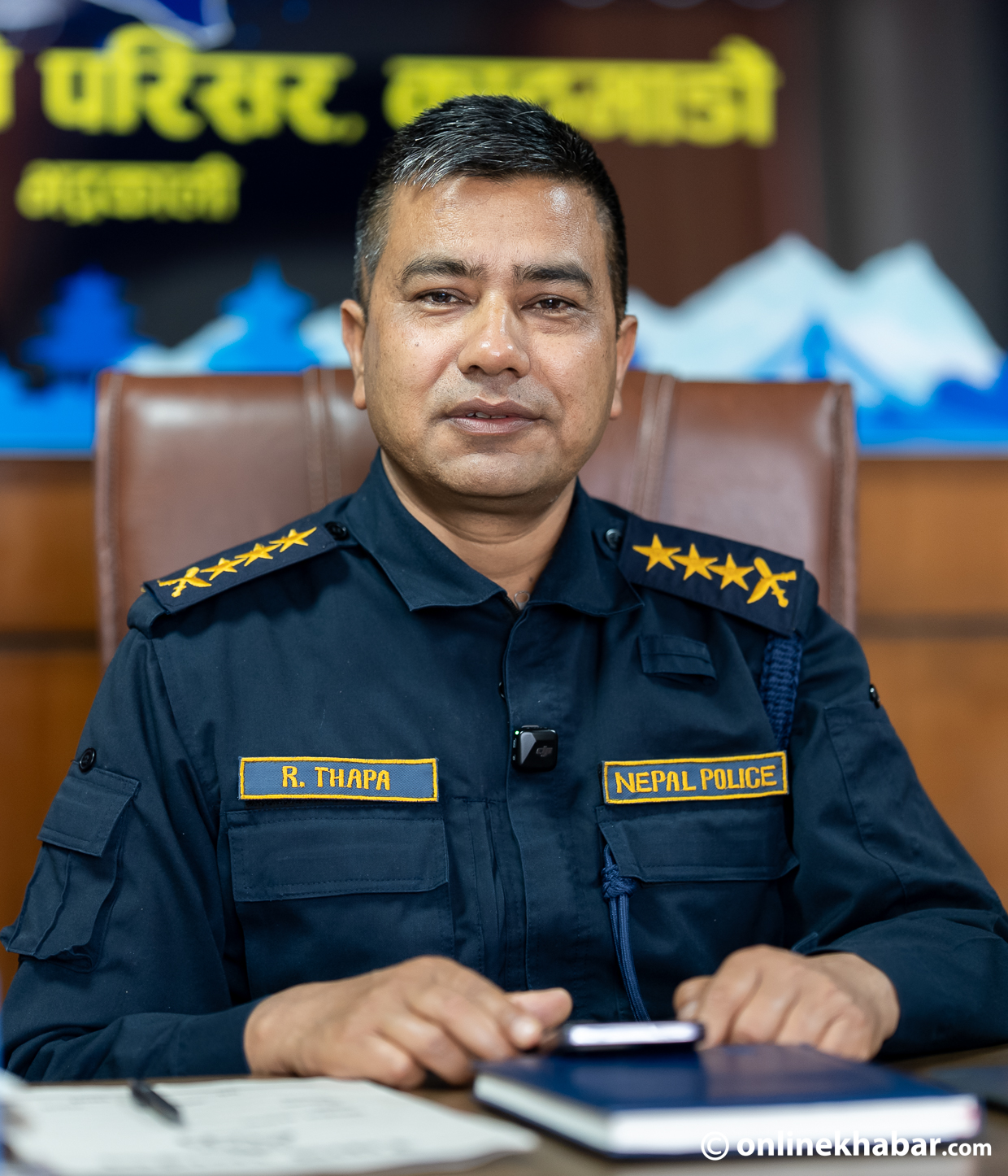
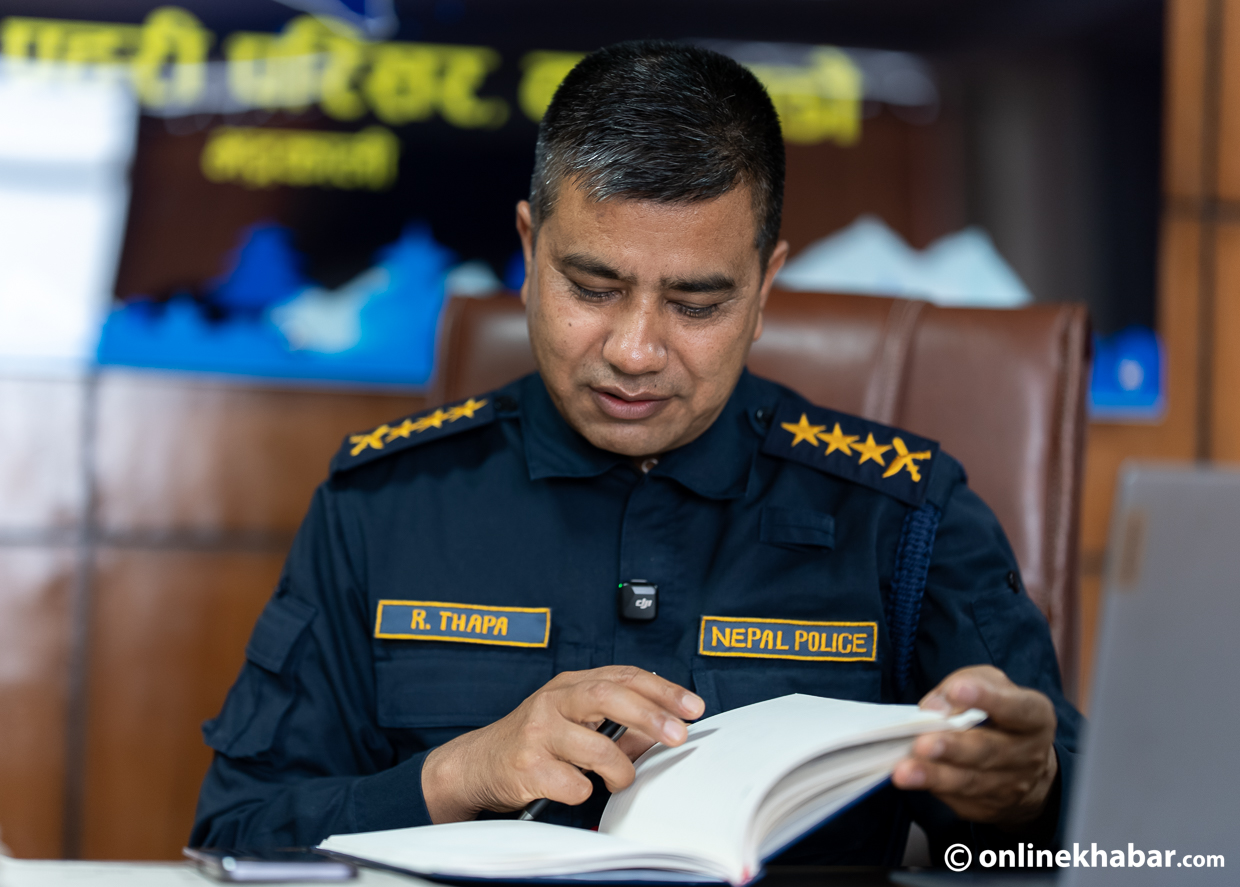
For the first time in Nepal’s history, police have launched an investigation into a former prime minister in connection with a homicide case. SSP Ramesh Thapa of Kathmandu is leading this investigation.
Recently, Onlinekhabar spoke with SSP Ramesh Thapa about the arrests of VVIPs, the ongoing investigation, and the next steps.
Excerpt:
How has the investigation proceeded following the arrests of former Prime Minister KP Sharma Oli and ex-Home Minister Ramesh Lekhak?
We are currently in the preliminary phase of the investigation. They have been kept in custody, and the court has granted a five-day remand.
We have also received the Karki Commission report and are in the process of studying it. After completing the review, we will proceed with recording statements and collecting additional evidence related to the case.
Will the investigation rely solely on the commission’s report, or are formal complaints required? Have any been filed?
Victims had filed complaints with the commission earlier, and the commission recorded their statements. Some complaints had also been registered previously.
We are proceeding with the investigation based on the commission’s recommendations, victim statements, and existing complaints.
The incident occurred six months ago. Since this is a serious crime involving homicide, how feasible is it to collect evidence now?
We have already collected key documents such as site reports, inquest reports, post-mortem reports, and other relevant records. These will support the investigation.
Were these procedures carried out at the time of the incident?
Yes, these are routine procedures conducted by the police after such incidents. Previously collected evidence will also aid the investigation.
The arrest warrant cites homicide charges. Could additional charges be added as the investigation progresses?
Currently, the detainees are being investigated under homicide charges. If other legal provisions become applicable during the investigation, those will also be invoked. The investigation is focused on the sections proposed in the Karki Commission report.
There are allegations that VIPs receive special treatment in custody. Is that true?
We do not violate anyone’s human rights. Whether VIPs or ordinary citizens, everyone in custody is treated with respect. If there are health issues, they are taken to the hospital and provided treatment.
This is also guided by court orders. For the former prime minister, the court has issued specific directives.
All detainees undergo mandatory health check-ups. If doctors recommend medical observation, we follow that as part of standard procedure.
If the hospital discharges him, will he be returned to police custody?
Yes, once discharged, he will return to police custody.
Why was former Home Minister Ramesh Lekhak kept at a different police facility instead of the main detention centre? Does this suggest preferential treatment?
A detention centre is simply a secure place under police control. Depending on necessity, detainees may be held at different police facilities. This has been done in the past as well, and there is nothing unusual about it.
Former CDO Chhabilal Rijal was also arrested. How will his case proceed?
His arrest is also based on the same commission report. We will proceed with legal processes accordingly after obtaining a remand from the court.
How long will the investigation and detention last?
We are in the initial phase. Legally, we can detain suspects for up to 24 days during investigation, within which all procedures must be completed.
Have statements from Oli and Lekhak been recorded?
Not yet. We are still collecting evidence and reviewing the report. Recording their statements will be the next step.
Given the arrest of high-profile individuals, how was security managed?
Since the incident falls under Kathmandu’s jurisdiction, our office was responsible. After receiving official instructions, we developed a security plan in coordination with multiple police units.
We analysed potential risks such as protests and ensured sufficient police deployment to prevent any untoward incidents and ensure safe custody.
Protests are ongoing. Is the police capable of preventing them from turning violent?
Our main goal is to prevent any untoward incidents. All actions are being carried out in accordance with the law. We have instructed personnel to prevent any disruptive or violent activities.
Peaceful protest is allowed, but vandalism, obstruction, and damage to property will not be tolerated.
Have you been successful in controlling unlawful activities?
So far, we have prevented the protests from turning violent. Minor incidents have occurred, but those involved have been detained and legal action taken where necessary.
Has the security challenge increased after these arrests?
In today’s society, all stakeholders must act responsibly. Peaceful expression of grievances is part of a civilised society.
However, activities like arson, vandalism, and obstruction of public services increase security risks.
Finally, what message would you like to give as the commander responsible for maintaining law and order?
Unruly activities pose a threat to peace and security. I urge everyone to present their demands peacefully, with facts and through proper channels.
What society needs is unity, harmony, and mutual understanding, not destructive actions. Maintaining this will ensure a brighter future for all.