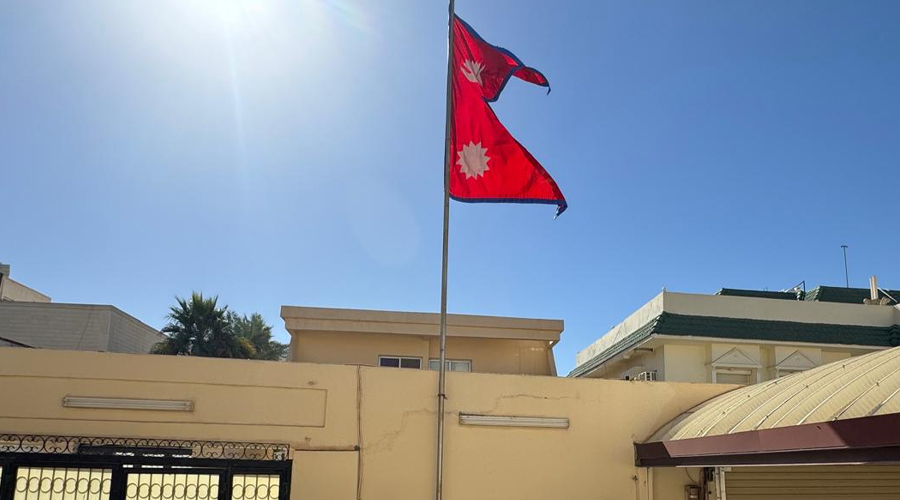

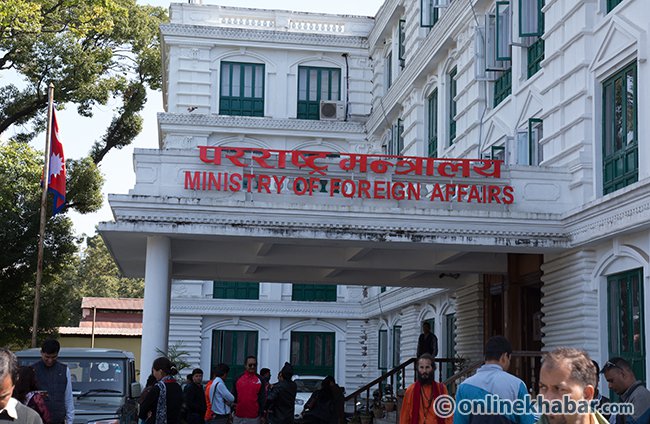
The Ministry of Foreign Affairs of Nepal stated that Nepali nationals residing in the Gulf and other Middle Eastern countries are currently safe.
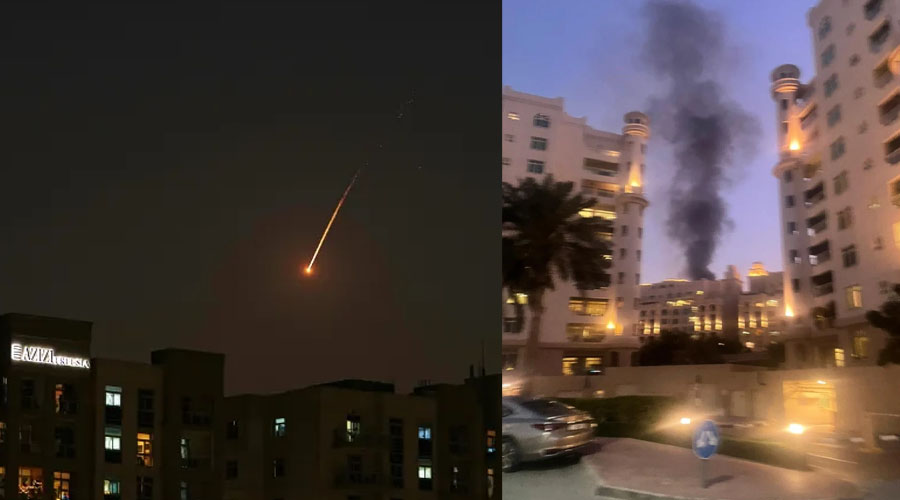
Amid rising tensions between Israel, the United States, and Iran, the government said Nepalis living in Gulf countries and nearby regions remain safe.
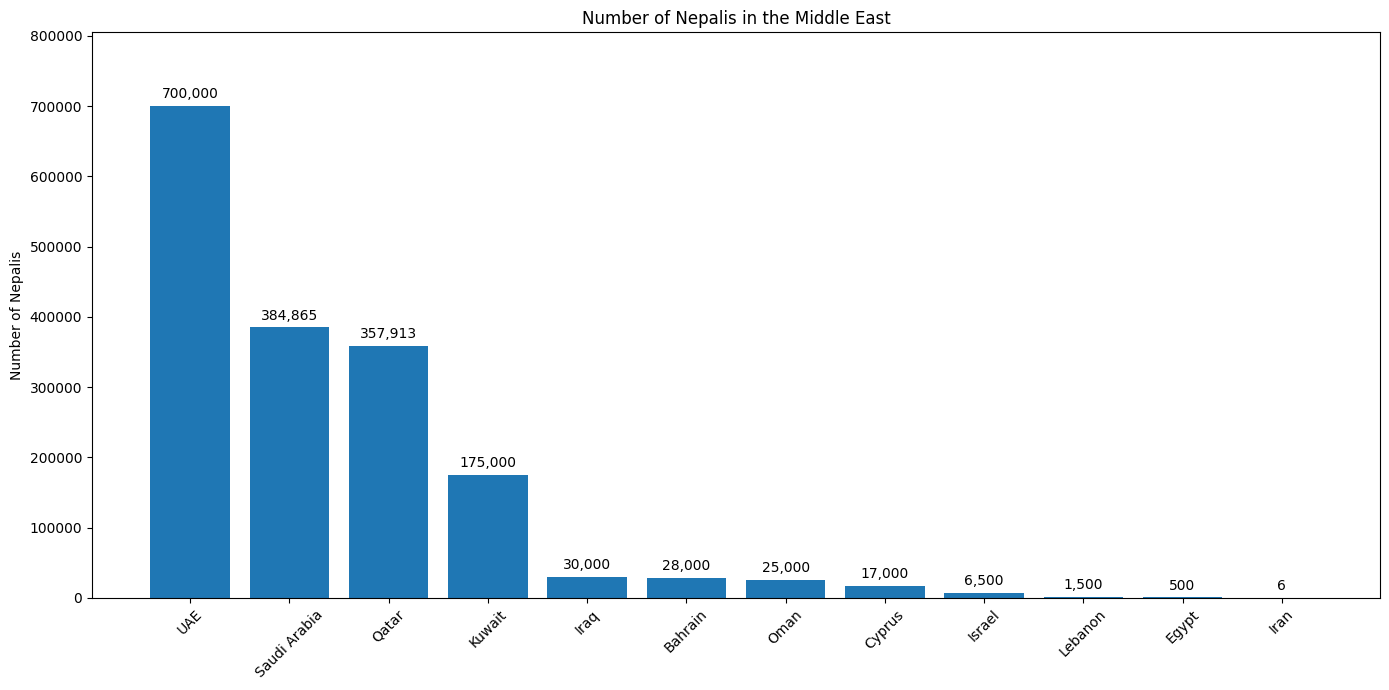
Nepali embassies and diplomatic missions in the Gulf and other countries submit daily reports to the Foreign Ministry about the situation there. Out of 1.729 million Nepalis living in those countries, more than 63,000 have registered their details on an online portal so far. Among them, around 5,000 individuals have reported feeling unsafe, according to the ministry.
According to ministry spokesperson Lok Bahadur Paudel Chhetri, even those who reported themselves as unsafe are currently safe.
“About 5,000 people have clicked ‘unsafe’ on the portal. In the early days, many who filled out the form marked themselves as unsafe, but the trend has gradually declined,” he says. “Some have later called us and said they are now safe and asked us to update their status.”
During a press conference on Wednesday, Foreign Minister Bala Nanda Sharma said Nepalis remain safe for now, and the government is prepared to conduct rescue operations if necessary. He added that state mechanisms are already being prepared.
“We have established a situation centre that regularly updates such information and will serve as the basis if evacuation becomes necessary. Contacts have already been established everywhere,” Sharma says. “The ministry has issued instructions on identifying where our citizens are, how many there are, and how coordination should be carried out.”
Diplomatic initiatives
The government said it has placed the safety of Nepalis living in countries such as the United Arab Emirates, Saudi Arabia, Qatar, Oman, and Bahrain on high priority. Discussions and cooperation with the concerned countries and relevant agencies are ongoing.
Spokesperson Paudel said diplomatic efforts are also underway to help Nepalis stranded in transit reach their destinations.
“Some Nepalis stuck in transit have been unable to reach their destinations. In some cases, we have even written formal notes requesting authorities to facilitate their travel,” he says. “For instance, Qatar’s airspace is currently closed, but if travellers cross the border, they may still be able to fly from Saudi Arabia. We are pursuing diplomatic initiatives, asking Saudi authorities to facilitate this.”
Nepal is also engaging with United Nations agencies such as the International Organisation for Migration and the International Labour Organisation, Paudel adds. Some agencies are already assisting, while others have expressed readiness to help if needed.
The Ministry of Labour, Employment and Social Security, Nepal has also held discussions with Nepali embassies in the Gulf and other conflict-affected countries.
Labour Minister Rajendra Singh Bhandari discussed the safety situation of Nepalis with officials from embassies in Saudi Arabia and other countries.
The Foreign Ministry said it is also holding discussions with labour destination countries regarding the safety of Nepalis and potential evacuation plans if required.
Foreign Secretary Amrit Bahadur Rai said the government is closely analysing the security challenges emerging in West Asia.
Speaking at Wednesday’s press conference, Rai said an emergency response team formed at the ministry has already taken several decisions and their implementation is underway. These decisions are being carried out through various agencies and Nepali diplomatic missions.
The ministry has been in regular contact with its missions, sometimes twice a day, to stay informed about the evolving situation.
Based on current assessments, Rai said there is no immediate security threat requiring the evacuation of Nepali citizens at this stage.
He added that Nepal is also coordinating with other labour-sending countries.
“We are working together with other labour-sending nations. We have been communicating with the embassies of Bangladesh, India, Pakistan, Sri Lanka and others,” Rai says. “Our ambassadors are coordinating daily with missions from labour-sending countries to understand what measures they are taking to ensure the safety of their workers, and we are preparing accordingly.”