File
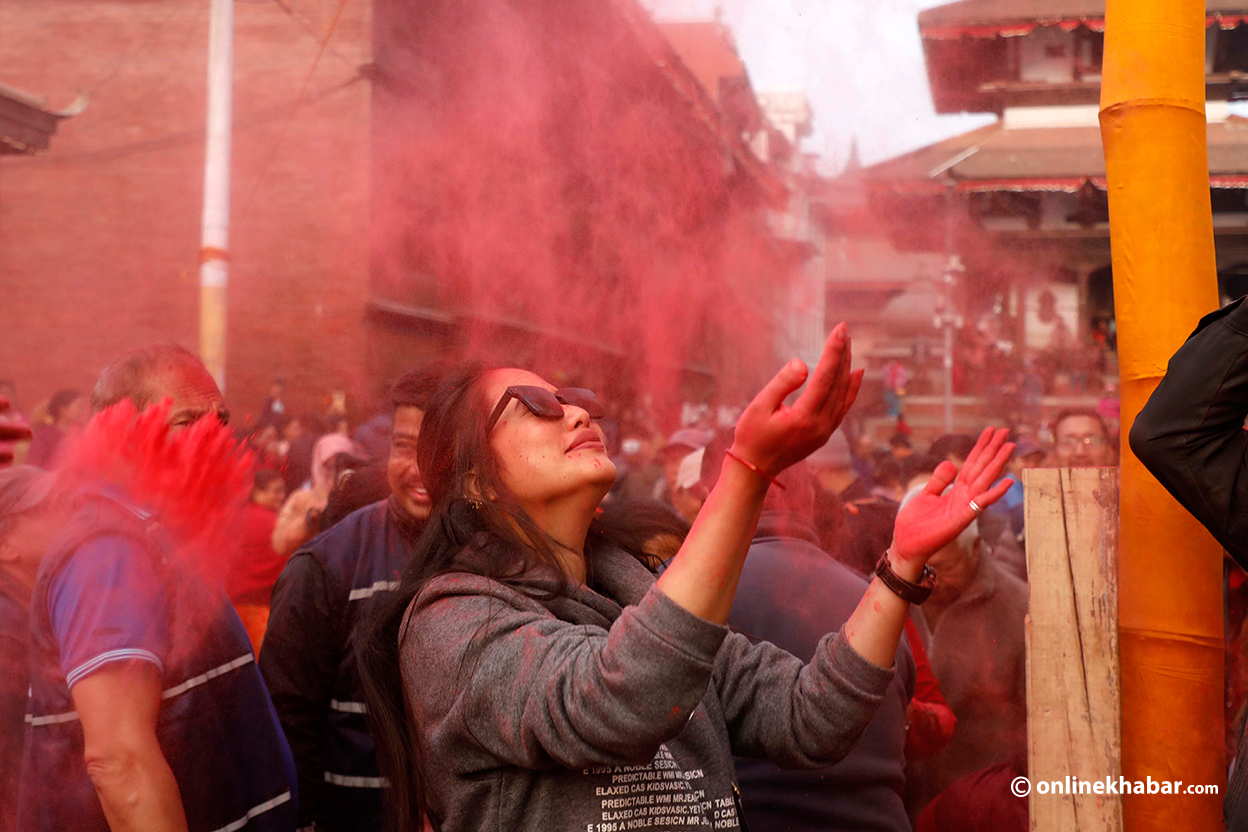
Holi is not just a festival of colours; it celebrates the arrival of spring, social harmony, and joy. The festival is also deeply connected to religious and cultural traditions. In recent years, however, the nature of the colours associated with Holi has changed significantly. Natural colours made from flowers, plants, and soil have gradually disappeared, replaced by commercially available chemical colours. Experience shows that in the days following Holi each year, cases of skin, eye, and hair problems rise noticeably.
Based on both experience and scientific evidence, this article focuses on the types of colours used during Holi, their chemical composition, associated health risks, and preventive measures.
Traditionally, Holi colours were mostly natural. Turmeric, saffron, or yellow flowers were used to produce yellow; red flowers, such as palash for red; spinach or fenugreek leaves for green; and indigo powder for blue. These colours were skin-friendly, easily soluble in water, and environmentally safe.
With industrial production, the fundamental character of colours changed. Today, many colours available in the market are made from industrial dyes originally intended for colouring textiles and plastics. Their packaging often does not mention the risks of using them on the skin, and consumers are largely unaware of the potential hazards.
From a chemical perspective, synthetic Holi colours often contain heavy metals and artificial pigments. For example, green may contain chromium oxide; red may include mercury sulfide or rhodamine B; black may contain lead oxide; blue may contain Prussian blue; and yellow may include lead chromate. These substances can penetrate beyond the skin’s surface. They may cause small wounds, rashes, allergies, and dryness. Engine oil, diesel, or low-grade mineral oil used to make colours appear glossy can further worsen skin damage.
The effects on the skin can be both immediate and delayed. Immediate reactions include burning sensations, irritation, redness, itching, swelling, blisters, and rashes. These conditions are known as irritant or allergic contact dermatitis. In some individuals, itching and raised patches appear within minutes of applying colour.
People who already have skin conditions such as atopic dermatitis, psoriasis, acne, melasma, vitiligo, or lupus are at greater risk from such chemical exposure.
Delayed effects may include post-inflammatory hyperpigmentation (darkening of the skin), thinning of the skin, or chronic allergies. Certain heavy metals can accumulate in the body over time and potentially affect internal organs.
Not only the skin, but the eyes and hair are also directly affected. Chemical colours entering the eyes can cause conjunctivitis, corneal erosion, light sensitivity, or blurred vision. When colours and oily substances accumulate on the hair, they may lead to dryness, breakage, split ends, dandruff, and hair fall.
For individuals with asthma or allergies, inhaling coloured powder can irritate the lungs, leading to coughing and breathing difficulties.
What precautions should be taken?
Despite these risks, this does not mean Holi should not be celebrated. The problem lies in the selection and use of colours. Preventive measures are simple but effective. Applying a sufficient amount of moisturiser or coconut oil to the skin before playing Holi makes it harder for colours to penetrate.
Using sunscreen while playing in the sun is important, as the combined effect of chemical colours and ultraviolet rays can intensify skin damage. Keeping nails short and applying lip balm are also helpful steps. For eye protection, glasses are safer than contact lenses.
The most important factor is the choice of colour. Whenever possible, use certified herbal colours or natural colours prepared at home. It is wise to avoid cheap products marketed as “strong,” “permanent,” or “extra glossy.” Children’s skin is more sensitive, so extra care is required. Pregnant women, individuals with chronic skin diseases, and those on medication should avoid direct exposure to chemical colours as much as possible.
How to clean up afterwards?
Post-Holi skin care is equally important. Scrubbing forcefully with soap can damage the skin’s protective barrier. It is better to first rinse gently with plain water or a mild cleanser and then apply moisturiser. For hair, a mild shampoo and conditioner are sufficient.
If the colour does not come off easily, it is advisable to wait a few days and let it fade naturally rather than using chemical removers. If there is severe irritation, blisters, or unbearable itching, immediate consultation with a dermatologist is necessary.
The true essence of Holi lies not in the intensity of colours but in the sweetness of relationships. Returning to natural colours, practising safe celebration, and respecting others’ health are the true needs of today.
—By Dr Bikash Poudel
(He is a dermatologist, venereologist and aesthetic specialist, serving as an Assistant Professor at Patan Academy of Health Sciences and affiliated with leading health institutions across Nepal.)