
In contemporary society, it has become increasingly difficult for individual to disconnect from social media platforms such as Facebook, Instagram, X, WhatsApp, WeChat and many, even for brief periods. This constant engagement can hinder one’s ability to take meaningful breaks, and, in some cases, may contribute to the development of what can be described as form of social media anxiety or phobia.
Now if someone spend a long time away from social media or are in a place without network access, mind often become restless. Questions about current events that is what is happening in the family, friends, country or globally in different sectors. Individual may begin to feel a kind of craving, similar to someone experiencing an addiction, for seeking instant updates. As a result, person become increasingly aware of where network or internet access is available and begin to prioritise it.
Indeed, today we can access news or information update from all over the world whether personal, political or international on few clicks in any language. However, the effects of this constant connectivity are becoming increasingly evident. One consequence is that we are bringing increasingly evident. Another consequence is that individuals begin to live, to some extent, in a kind of constructed or imaginary world, shaped by the constant stream of information one can consume.
From a security perspective, various forms of newer threats are emerging today. In addition to traditional concerns, non-tradition security issues, also known as modern security challenges, are gaining prominence.
These include climate security, food security and broader aspects of human security. Alongside these, from data security to digital security to cyber security, Artificial Intelligence (AI) security to AI Slap to protecting AI systems themselves has also become critical areas which must be given serious attention.
Brilliant work by Maxwell Maltz, he indicated some challenges in his profound book ‘Psycho-Cybernetics’ in 1960 where he described how expectations are not satisfied but can be reduced with set goal of positive outcome.
In Nepal, the Constitution, 2015, provides for a proportional representation system, ensuring the inclusion of women, marginalized communities, and other underrepresented groups in bureaucracy, security sector, federal and provincial parliament and local level. While this system promotes diversity, it also exposes representatives-especially women-to public scrutiny that can quickly turn harsh and demeaning.
When some individuals struggle with formal language, lack confidence, or face difficulties presenting their ideas in parliament, social media often distorts their actions. Edited clips and sensationalized posts spread rapidly, and within minutes, these individuals become targets of widespread ridicule.
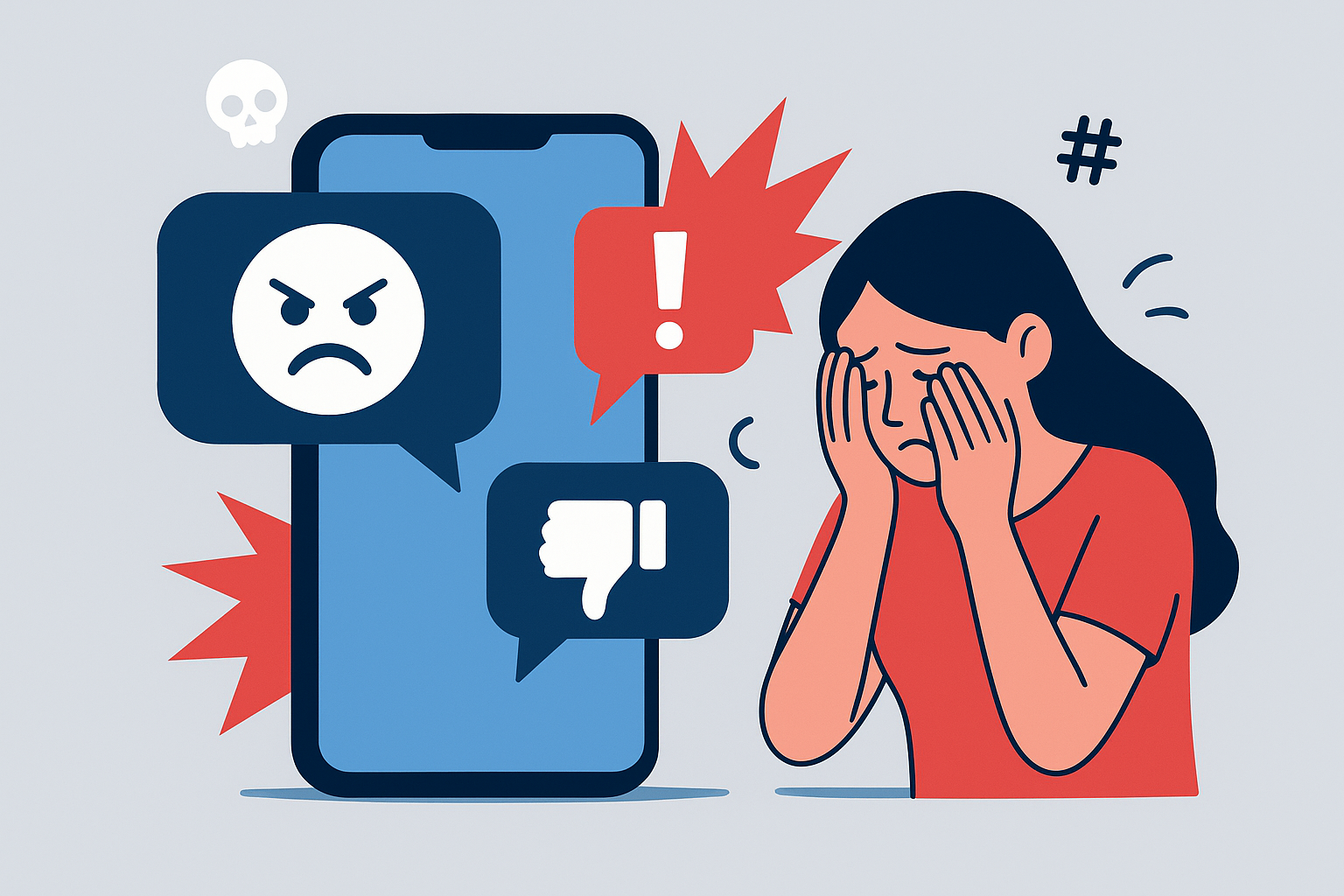
The impact of such online harassment is profound. Many women have faced severe emotional trauma, humiliation, and public shaming. In extreme cases, these experiences have contributed to mental instability, heart-related complications, and even suicide. As a society, we often fail to consider the psychological burden placed on individuals who become victims of digital mob behavior.
Currently, a significant number of people in society are struggling with emotional health issues. Even when individuals have good jobs, respectable professions, or high social status, many still experience emotional distress in various forms. Notably, the ratio of these issues is higher among women, with their number being roughly twice that of men.
Peace and digital violence against women
As peace is not only limited to the absence of physical conflict or violence, it also encompasses social harmony, justice, equality, and freedom from fear. In the modern era, digital platforms have become an extension of society, relations, emotions, and therefore, peace must also include safety and dignity within online environments. Digital violence against women directly challenges these principles and undermines efforts to build peaceful and inclusive communities.
Human security an essential component of sustainable peace includes protection from emotional, psychological, and social harm. Digital Violence such as cyberbullying, online harassment, non-consensual sharing of images, trolling, and hate speech creates a climate of fear of women.
Limiting participation
Sustainable peace requires the meaningful participation of women in political processes, governess, and public decision-making. However, digital abuse discourages women from expressing their opinions online, participating in democratic debates, or taking leaderships roles.
A study by the international parliamentary Union (IPU) found that over 80 percent of women parliamentarians worldwide face digital harassment, including threats of violence and sexist insults. When women are silenced or pushed out of public spheres, peace processes become less inclusive and less representative.
Digital violence and gender inequality
Gender equality is recognized as a key pillar of peace in global frameworks such as United Nations Security Council Resolution (UNSCR) 1325 and the Sustainable Development Goals (SDGs). Digital violence reinforces harmful gender norms and widens the gender gap in access, participation, and leadership. The World Bank reports that women are 25percent less likely than men to access digital platforms safely, due to fear or harassment or privacy violations.
Peaceful societies depend on trust, dialogue, and mutual respect. Digital violence, especially when viral creates division, hostility, and a culture of fear, driving communities apart. Targeted attacks against women often trigger public shaming, humiliation, and misinformation campaigns, all of which undermine social cohesion.
Emotional and psychological well-being is central to peace at both individual and community levels. Digital violence often results in anxiety, depression, trauma, and, in extreme cases, suicidal tendencies. World Health Organization (WHO) report 2025 November Violence Against Women (VAW) remains a severe global crisis, with nearly 1 in 3 women experiencing intimate partner or sexual violence in their lifetime, a figure largely unchanged in two decades.
Cyber-harassment significantly increases the risk of mental health disorders, especially among young women. Society cannot achieve psychological peace when large segments of the population are experiencing digital harm.
Digital era and VAW
Preventive diplomacy traditionally focuses on preventing conflicts before they escalate through dialogue, early warning, confidence building and cooperative solutions. In the digital age, this approach can be expended to address digital VAW, which threatens human security, gender equality, and social stability.
In Nepal, digital VAW is a significant and rising issue, with 8,745 cases related to VAW reported to the Nepal Police Cyber-Bureau in the fiscal year 2023/ 24 alone. This number represents a substantial portion of all cybercrime complaints and is likely and underestimation due to underreporting. “Anwesi” study on ‘High Prevalence of Domestic Violence’ reported that 72% of women experience domestic violence, and a significant percentage of reported gender-based violence (GBV) cases are domestic in nature and many interwind with cyberspace.
Governments responsible bodies, commissions and dominant private sector, especially the technology sector must tackle this threat and do more to protect women’s rights in the digital era. The 2025 November Report of the UN Secretary-General on Women, Peace and Security (WPS) and 2024 Report on Violence Against Women and Girls identifies three emerging challenges: increasing backlash against women’s rights, the rapid rise of artificial intelligence (AI), and the expansion of the manosphere – an ecosystem of misogynistic content that is seeping into mainstream culture, shaping public attitudes towards women, and fueling violence.
As we are following United Nations 16 Days of Activism Against Gender-Based Violence, globally and in Nepal also, reaffirming Nepal’s commitment to making digital spaces safer for women and girls. Theme this year is “Unite to end digital violence against all women and girls”, underscores the urgency of protecting young people in rapidly expanding digital spaces.
Digital violence against women is not merely a technological or social media issue it is a peace and security concern. It affects women’s dignity, limits their freedom, and reduces their participation in public life. For preventive peace to be meaningful and sustainable, it must include digital peace, ensuring that online space is safe, inclusive, and supportive to everyone, especially women.