Kathmandu, September 29
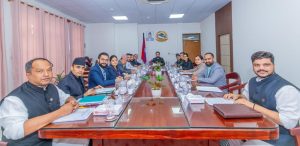
Ganesh Parajuli, leader of the Rastriya Swatantra Party parliamentary group, is set to chair the Parliamentary Special Committee on Climate Change in the Himalayas and the Bhotekoshi-Trishuli Disaster after he filed the sole nomination for the post.
With no other candidate, Parajuli is certain to become the chair of the special committee. The election for the committee chair is scheduled for 2 pm Wednesday.
Parajuli has received the support of lawmakers from all parties represented in the House of Representatives. Nepali Congress lawmaker Mohan Acharya has proposed his candidacy, while CPN-UML lawmaker Pushpa Raj Kandel, CPN lawmaker Ramesh Kumar Malla, Shram Sanskriti Party lawmaker Dhurvaraj Rai, Rastriya Prajatantra Party lawmaker Saraswati Lama and RSP lawmaker Nisha Dangi have supported it.
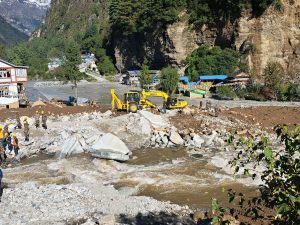
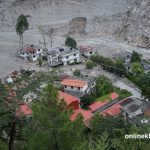
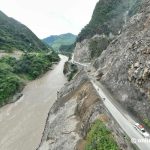
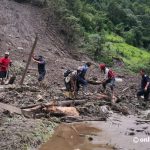
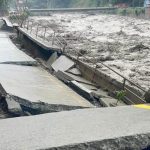
The parliamentary special committee was formed on September 21 against the backdrop of the devastating flood in Rasuwa on August 26.
The 15-member committee comprises Achyutam Lamichhane, Anushka Shrestha, Gangadevi Shrestha, Ganesh Parajuli, Dhananjay Regmi, Dhurvaraj Rai, Nisha Dangi, Pushpa Raj Kandel, Mohan Acharya, Mingmagyabu Sherpa, Ramesh Kumar Malla, Rabindra Patel, Saraswati Lama, Sujata Tamang and Sita Thapaliya.
The committee has been given a three-month term, with a provision allowing its tenure to be extended later.
The committee’s mandate includes studying the impact of climate change in the Himalayas. It will review available studies and data on changes in Himalayan temperatures, snowfall, glaciers, glacial lakes and watersheds, as well as the risks arising from such changes. It will also identify gaps in research and monitoring and recommend measures to strengthen scientific research and regular monitoring.
The committee will study the causes and impacts of the Bhotekoshi–Trishuli disaster, including its origin, sequence of events, immediate causes and factors that intensified the risks, based on expert and scientific evidence. It will also review its possible links to climate change, the effects on transboundary watersheds and the impacts on downstream areas.
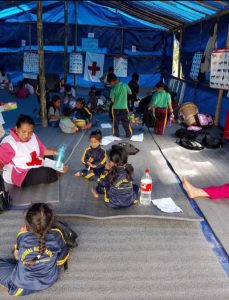
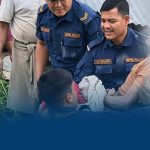
The committee will review search, rescue, relief and rehabilitation efforts, including the status of missing citizens, relief distribution, safe temporary accommodation, basic services and livelihood restoration. It has been tasked with recommending immediate and medium-term measures based on the needs of affected people.
The committee will also suggest a roadmap for sustainable and safe reconstruction, study disaster risk reduction and early warning systems, explore possibilities for climate diplomacy and cross-border cooperation, and recommend legal and institutional reforms.