Kathmandu, November 23
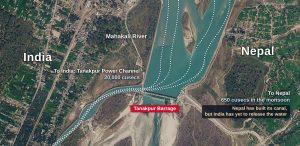
Nepal and India have agreed to accelerate the implementation of the Pancheshwar, Saptakoshi and Sunkoshi multipurpose projects, along with other ongoing and proposed hydropower projects, to harness water resources for mutual benefit and mitigate the adverse impacts of floods.
The agreement was outlined in a joint document titledA Developed India and a Prosperous Nepal: Reimagining the Partnership, issued during Prime Minister Balendra Shah’s state visit to India.
The document states that the two countries will strengthen institutional cooperation in energy, water resources and climate resilience while promoting mutually beneficial partnerships for sustainable, resilient and inclusive development.
In line with the India-Nepal Joint Vision Document for Power Sector Cooperation, India will encourage further investment in Nepal’s hydropower and transmission infrastructure, while Nepal will facilitate such investments through an appropriate framework of cooperation.
The two sides will also explore ways to expand electricity trade based on mutual benefit and market demand.
Beyond conventional hydropower, Nepal and India have agreed to cooperate in developing additional energy sources, including solar and subsurface energy. The cooperation will also include a pilot green hydrogen project in Nepal.
The two countries have further agreed to strengthen cooperation in disaster risk reduction, early warning systems and post-disaster recovery to protect lives, livelihoods and infrastructure.
They will institutionalise real-time, two-way sharing of hydrometeorological data, glacial lake monitoring and early warning information. Cooperation between relevant agencies will also be expanded through joint humanitarian assistance and disaster response exercises, capacity-building programmes, training and humanitarian support.
India will facilitate training for Nepali youth professionals, officials and experts in areas including environmental policymaking, regulation, standards, forestry, risk mapping and climate-resilient agriculture.
The two sides will also exchange expertise on rejuvenating water bodies and tackling groundwater contamination.
They have additionally pledged to strengthen cooperation through multilateral platforms, including the International Solar Alliance, the Coalition for Disaster Resilient Infrastructure, ICIMOD and the International Big Cat Alliance.