Kathmandu, November 17
A joint proposal on mountains and climate change, put forward by Nepal, Bhutan and Kyrgyzstan, has been included in the cover decision of the 31st Conference of the Parties (COP31) to the UN Framework Convention on Climate Change, currently under way in Antalya, Türkiye.
The proposal appears in the draft cover decision prepared in consultation with the COP31 Presidency. The draft, titled “Presidency-led Party-driven Cover Decision” and dated up to Monday, November 16, includes the establishment of a separate work programme on mountains and climate change.
The draft acknowledges that mountain regions and glacier-dependent communities are being especially affected by the adverse impacts of climate change. On that basis, it proposes a dedicated work programme for mountain regions.
At COP, the cover decision, or cover text, refers to the overarching political document issued at the end of the conference. It brings together the various issues and outcomes of the negotiations, sets the overall political direction and message, and highlights the key priorities of the conference.
The proposal prioritises improving scientific research and understanding of mountain regions, strengthening climate adaptation efforts, building resilience and providing necessary support to glacier-dependent communities. Nepal, Bhutan and Kyrgyzstan jointly submitted the proposal at the start of COP31.
Paragraph 31 of the cover decision proposes establishing the work programme. Through it, the draft aims to make scientific research on mountain regions, assessment of climate impacts, adaptation measures and risk reduction efforts more effective.
The cover decision also proposes making mountains and climate change a permanent item on the COP agenda. It states that a high-level dialogue on the issue will be held at COP32.
Paragraph 32 welcomes the dialogues on mountains and climate change held at the 66th and 68th sessions of the Subsidiary Bodies. It also encourages regular high-level dialogues led by the COP Presidency as a continuation of these discussions.
Through these dialogues, the draft seeks to bring the experiences, needs and priorities of mountain countries, Indigenous Peoples and local communities into international climate policy and action plans. It also expects stronger international cooperation on climate adaptation and resilience-building.
Nepal and Bhutan had jointly submitted a proposal titled “Impacts of 1.5 degrees Celsius warming on mountain regions” to address the effects of rising temperatures in mountain areas. Kyrgyzstan had proposed institutionalising regular high-level dialogues on mountains and climate change.
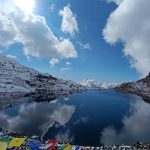
The proposals called for placing issues such as glacier melt, the risk of glacial lake outburst floods, impacts on water resources, biodiversity loss and the growing risk of climate-induced disasters in mountain regions, including the Himalaya, at the centre of international climate negotiations.
Nepal has contributed very little to climate change but faces high risks from its effects. It has consistently pushed to bring the problems faced by vulnerable mountain countries and communities onto the international stage.