Smoke and haze from intensifying wildfires in Indonesia have affected several Southeast Asian countries, pushing air pollution in Singapore to its highest level this year and prompting Timor-Leste to suspend in-person classes for three days.
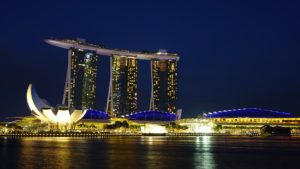
According to Reuters, the hourly PM2.5 concentration in western Singapore reached 284 micrograms per cubic metre on Wednesday, falling into the country’s ‘very high’ pollution category for the first time during the current haze episode.
Timor-Leste announced that in-person classes would be suspended for three days from October 15 due to airborne pollutants from fires in neighbouring areas or countries.
Indonesia is experiencing its most intense wildfire season in 11 years, with dry conditions caused by El Niño contributing to the spread of fires. The resulting haze has worsened air quality across the region and increased respiratory illnesses in Indonesia.
By October 12, seven Indonesian provinces had reported 277,075 cases of respiratory illness linked to wildfires and haze, more than double the 113,336 cases recorded on September 9.
Indonesia has deployed more than 69,000 firefighters, up from around 44,000 in mid-September, to contain the fires. However, underground peat fires remain difficult to extinguish and can reignite.
Regional pressure on Indonesia is also mounting over transboundary air pollution, with the issue expected to feature at next month’s ASEAN meeting. Malaysian lawmaker Syed Saddiq Syed Abdul Rahman has urged Southeast Asian countries to jointly protest Indonesia’s handling of the fires.