
The true strength of a nation is not measured by its military capability, economic prosperity, or political influence, but by the trust, mutual respect, and peaceful coexistence that bind its people together. When these foundations begin to weaken, the nation’s stability and unity are inevitably placed at risk.
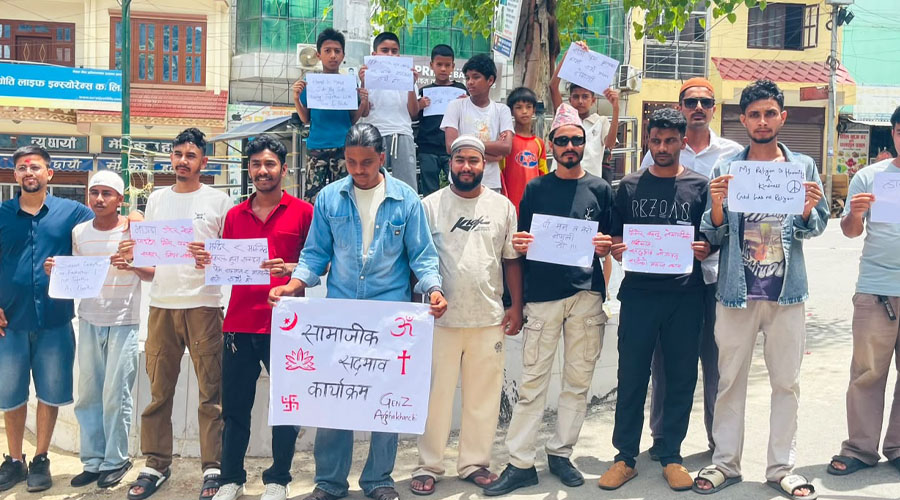
Nepal’s greatest strength is its diversity. People of different ethnicities, languages, cultures, and religions have lived together in harmony for generations. Hindus, Buddhists, Muslims, Kirats, Christians, Sikhs, Jains, Bons, and followers of other faiths have all contributed to our national identity. We celebrate each other’s festivals, respect each other’s beliefs, and share in each other’s joys and sorrows. This spirit of coexistence is Nepal’s identity and must be preserved.
Our commitment to social harmony is not only a long-standing tradition but also a constitutional value. The Constitution recognises Nepal as a multi-ethnic, multilingual, multicultural, and multi-religious nation, founded on unity in diversity, equal rights, social justice, and respect for all religions and cultures. These principles provide a strong foundation for peaceful coexistence and national unity.
History offers an important lesson. Around the world, societies affected by religious and ethnic conflict continue to bear the scars of violence, displacement, and mistrust. Violence only breeds more violence. Nepal, with its long tradition of peaceful coexistence, must not allow such divisions to take root.
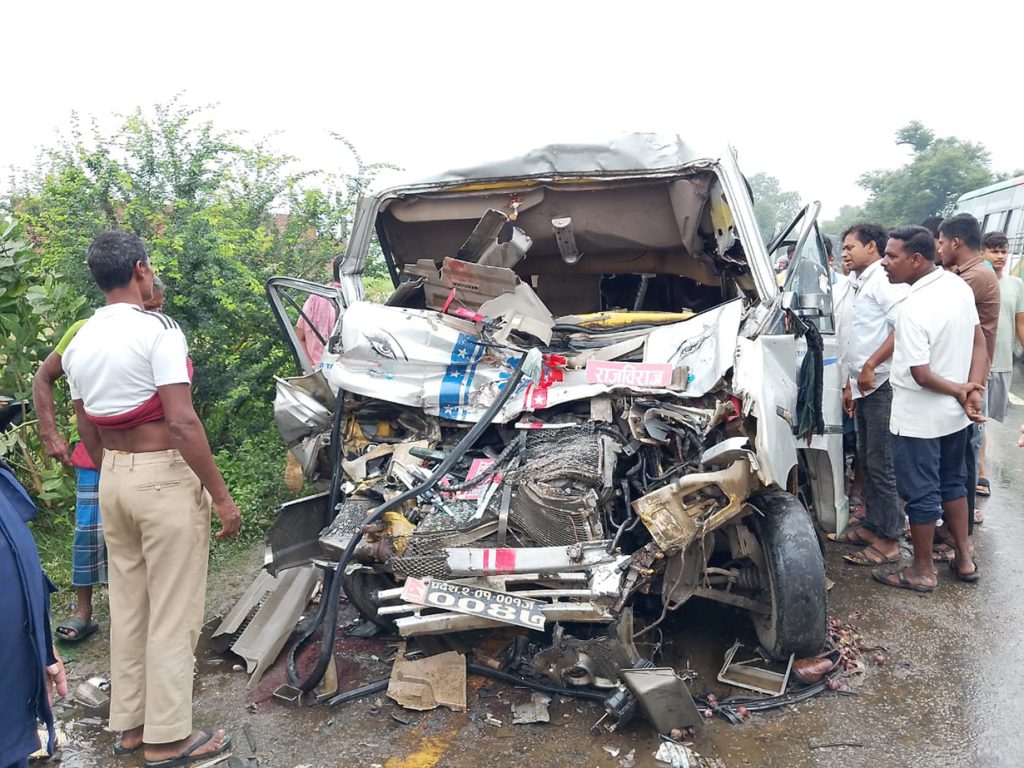
The recent communal violence in Dewanganj, Sunsari, which began on July 26, has raised serious concerns across Nepal. While the investigation is still ongoing, the incident escalated into deadly clashes, resulting in loss of life, injuries, property damage, and the deployment of security forces. In its aftermath, protests, inflammatory rhetoric, and misinformation on social media further heightened tensions, highlighting the need for restraint, justice, and dialogue to safeguard national unity and social harmony.
Protecting social harmony therefore requires responsibility from everyone. Rumours, hate speech, misinformation, and deliberate attempts to create division can quickly transform local disputes into wider communal tensions. In today’s digital age, false information spreads within minutes, and a single misleading post or edited video can inflame emotions and deepen conflict. Citizens, the media, and public leaders must verify information before sharing it and act responsibly.
As the investigation continues, it is too early to assign blame. In a society governed by the rule of law, conclusions must be based on evidence, not speculation. Governments at all levels must therefore ensure independent, fair, and transparent investigations and hold those responsible accountable, regardless of their identity or affiliation. Lasting peace depends on justice grounded in truth, facts, and fairness.
What is already clear, however, is that when a minor dispute escalates into violence, its consequences extend far beyond the immediate community. Without restraint, fairness, and dialogue, such incidents can erode public trust, threaten national unity, and weaken Nepal’s long tradition of peaceful coexistence.
Political leaders also carry a heavy responsibility. Sensitive incidents must never be exploited for political gain or partisan mobilisation. At this critical moment, Parliament should fulfil its constitutional role as the nation’s highest forum for dialogue, accountability, and consensus-building. Lawmakers must place the national interest above party interests, uphold the rule of law, and address public concerns through constructive engagement. This is a time to strengthen not suspend the democratic process. Parliament should continue its proceedings without unnecessary disruption, enabling elected representatives to build consensus, address national challenges, and restore public confidence in democratic institutions.
Religious leaders likewise have a vital role in maintaining peace. Every religion teaches compassion, tolerance, and respect for humanity. No faith justifies hatred or violence against innocent people. Temples, mosques, monasteries, churches, and other places of worship should continue to spread messages of peace, reconciliation, and mutual respect, particularly during periods of tension.
The media has a vital responsibility to ensure accurate, fair, and verified reporting. Sensational headlines, one-sided reporting, and unverified information can inflame tensions rather than inform the public. Likewise, social media users should verify facts before sharing videos, photographs, or messages. Responsible communication is now indispensable to protecting social harmony.
Community leaders, teachers, civil society organisations, intellectuals, and citizens also play an important role. They can counter rumours, promote fact-based dialogue, strengthen trust within communities, and guide young people away from hatred and extremism. Experience consistently shows that dialogue is more effective than confrontation. Above all, we must remember that crime has no religion, ethnicity, or community. Individuals, not entire communities, are responsible for their actions. Collective blame only deepens division, while understanding and mutual respect strengthen peace.
The recent events should encourage all of us to reflect and learn. Governments should strengthen preparedness and coordination, while security agencies must respond swiftly to prevent tensions from escalating. Political leaders should communicate responsibly, religious leaders should promote reconciliation, and the media should uphold the highest standards of ethical journalism
The recent all-party meeting convened on Tuesday by the Chairperson of the ruling party, Rabi Lamichhane, where political parties jointly appealed for peace, restraint, and national unity, was a welcome step. Following the violence in Sunsari and several districts of Madhesh, Prime Minister Balendra Shah and Rabi Lamichhane also held consultations with political parties, community and religious leaders, and other stakeholders to promote dialogue and restore public confidence. These timely initiatives have helped ease tensions, encourage restraint, and reinforce the message of peace and social harmony across the country.
Addressing the nation on Thursday, Prime Minister Balendra Shah urged all Nepalis to uphold social harmony, reject rumours and hatred, and preserve the country’s tradition of peaceful coexistence. Such appeals, however, must be backed by collective action. Strengthening peace and national unity is the hallmark of a mature democracy.
Nepal now faces a defining choice: justice over revenge, dialogue over confrontation, truth over rumours, trust over suspicion, and unity over division. Protecting social harmony is not the responsibility of the government alone but a shared duty of every citizen. We must not allow hatred, misinformation, or narrow political interests to undermine the heritage that has united Nepalis for centuries.
The true spirit of patriotism lies in protecting social harmony, respecting diversity, upholding justice, and strengthening trust among all Nepalis. If we preserve these values, Nepal can continue to build a peaceful, inclusive, and prosperous future. Social harmony is our greatest national asset, and safeguarding it is the shared responsibility of every citizen.