
Something has been lingering in my mind for a long time: how deeply culture, environment, and gender are connected to one another.
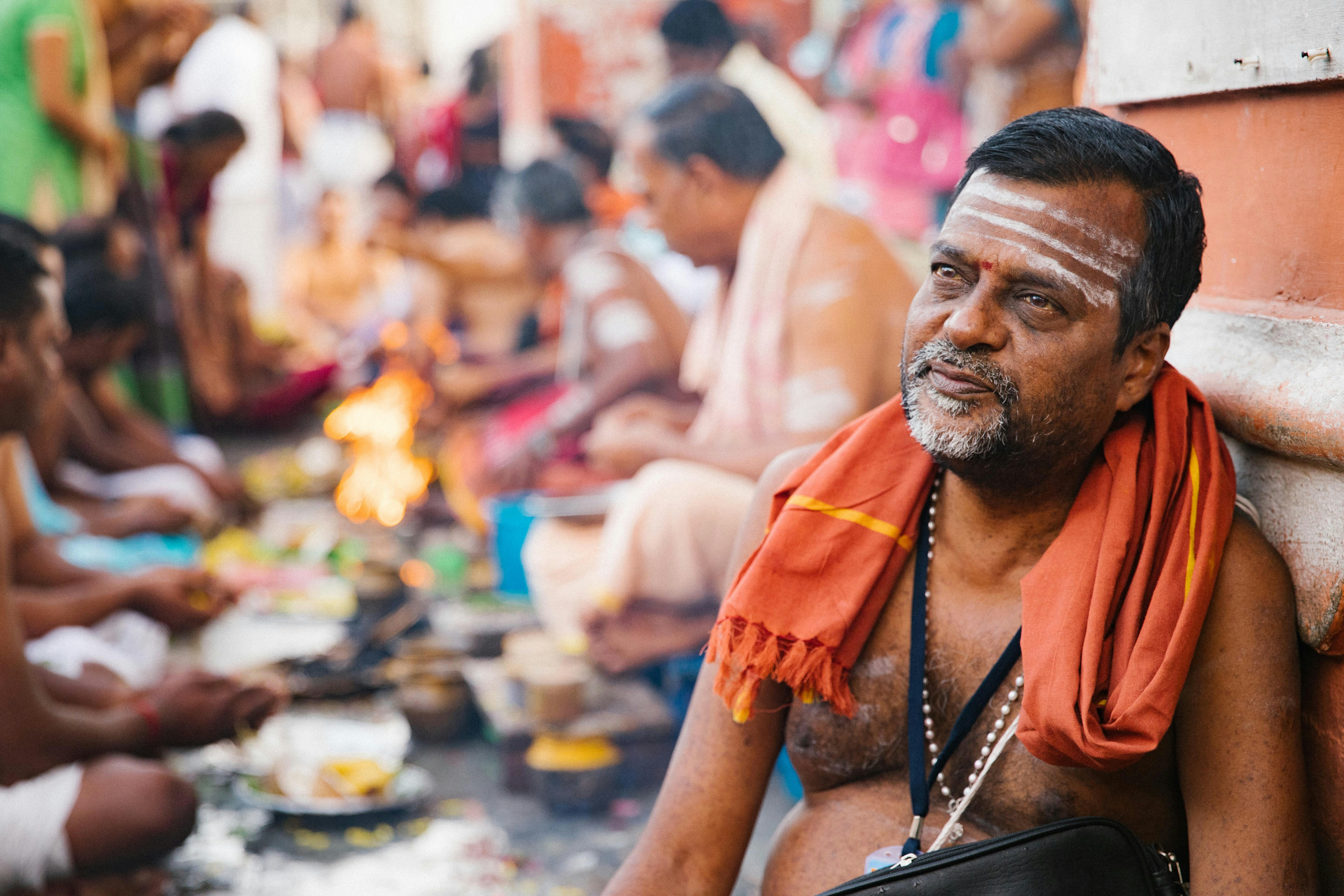
This thought struck me more strongly during my visit to Ramgram Municipality. We visited a small village where there was a temple surrounded by a large open space. Around it stood big elephant statues. A group of people were offering food to the statues, and when we approached them, we learned that they were celebrating a ritual called Nawa Durga Puja.
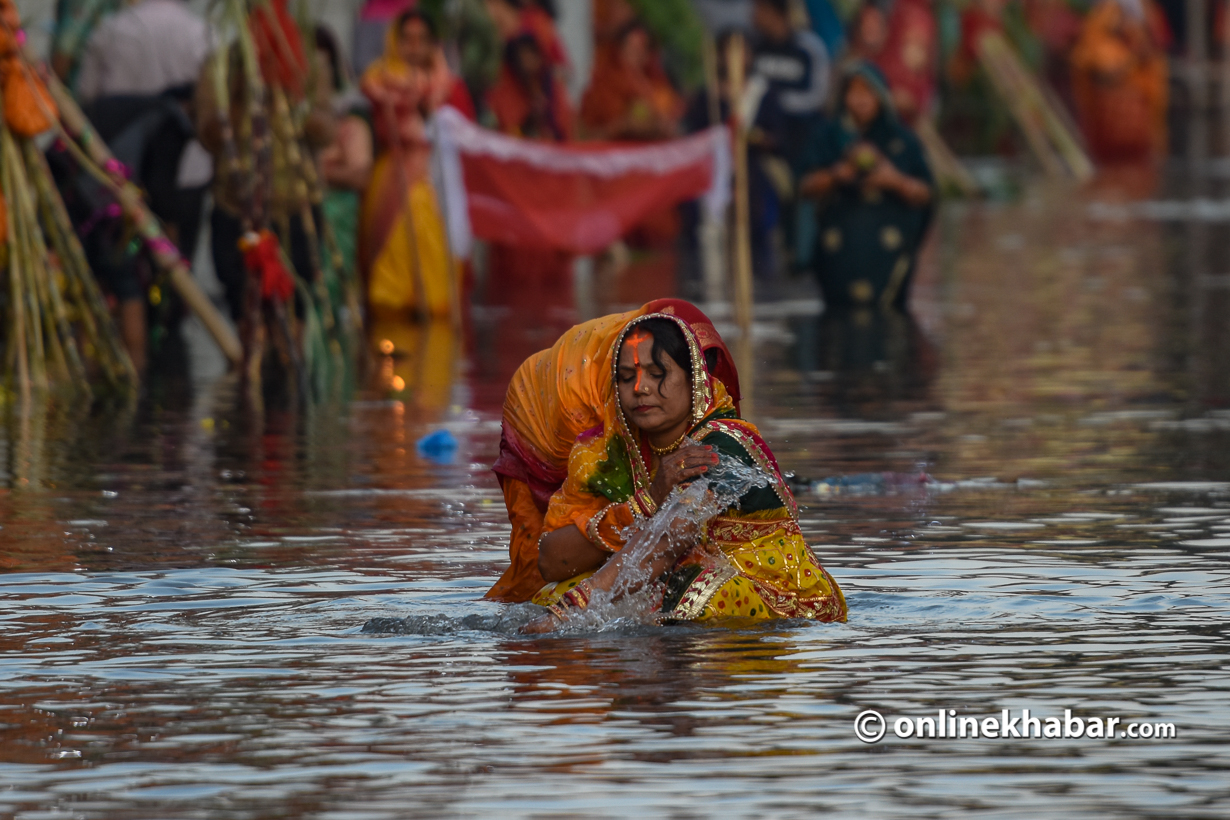
In this ritual, nine young girls are fed and given money considered the nine forms of Goddess Durga. But what caught my attention was one particular part of the ritual that mandates water had to be drawn from the well and offered to those little girls. The act did not seem random. The well, the water, the girls, the goddess, and the ritual were all connected as one. That moment became a living example of the intersection between culture, gender, and environment. A ritual that worships young girls as goddesses and makes water from a well mandatory reveals how women and nature are not separate from culture; they are at the very heart of it.
But this also raises an uncomfortable question.
On one hand, society celebrates girls as goddesses. On the other hand, women are still subjected to menstrual exclusion, domestic violence, gender pay gaps, sexual violence, social control, and countless forms of discrimination. Similarly, society worships nature in rituals, but continues to degrade rivers, forests, water sources, and sacred landscapes in practice.
This contradiction is where Nepal needs to look through what I call a ‘herito-feminist’ perspective, a way of understanding heritage, culture, gender, and environment together, especially through the lens of feminism.
In a write up, ‘Women at the Heart of Cultural Heritage: Protecting Traditions, Shaping the Future’, there is a beautiful part which says, “If the world truly values cultural heritage, it must value the women who sustain it, not just as keepers of the past, but as architects of the future.” I completely relate to it.
I grew up in a family where my mother wakes up early in the morning, bathes, worships, and only then begins her daily chores. She often says that her day feels incomplete without that ritual. She is the one who taught me the rituals. She is also teaching my brother how to perform them correctly and make them part of daily life. When I ask her how she learned all this, she says she learned it from her mother and grandmother. When I ask my grandmother, she says she learned it from her mother and grandmother. Whenever I am confused about any ritual, I run to my mother.
This shows something remarkably important: women are not passive followers of culture. They are carriers, teachers, memory-keepers, and transmitters of cultural knowledge. They preserve rituals inside homes, families, and communities. Yet when we enter temples, almost all formal religious authority is held by men. I am not saying men should not be priests. But I wonder, if women are the ones preserving so much of religious and cultural life, why are they so absent from priesthood and formal ritual authority?
Can the answer really be reduced to one old and often weaponised excuse that women menstruate?
While religious traditions celebrate goddesses, certain interpretations of religious texts and cultural practices continue to treat menstruating women as impure. This matters because in countries like Nepal, religion does not remain inside temples. It shapes society, family, law, morality, and everyday behaviour. When religious interpretations exclude women, society often normalises that exclusion. Therefore, religious and cultural interpretations must evolve with time. Culture should not be used as a cage. It should be a living system that carries dignity, justice, and humanity forward.
Quoting Cicero, slaves do not seek freedom; they seek slaves for themselves. When I look at women in our society, I often relate to it and think about how oppression reproduces itself. Many women first become victims of harmful practices, and later they are made responsible for enforcing the same practices on other women. Instead of saying, “I suffered, so I will not let you suffer,” society trains them to say, “I went through this, so you must also go through it.” This is one of the cruellest successes of patriarchy. It makes the oppressed participate in their own oppression.
Our society has normalised many stigmas so deeply that when someone speaks for herself, she is treated as the problem. Rational arguments are made to look abnormal, while discriminatory practices are defended as tradition. At the same time, society claims that women already have “more than enough laws.” But what is the point of having laws on paper if women are still excluded in practice in the name of religion, culture, and social order?
The same pattern can be seen in the way society treats women, nature, and heritage. All three are celebrated when useful, controlled when powerful, and commodified when profitable. Women are worshipped symbolically but denied equality socially. Nature is worshipped ritually but exploited materially. Heritage is beautified, extracted, sold, and detached from its community. Sacred objects are removed from their origins and placed in museums, art markets, and private collections, often accompanied by false stories created to satisfy a commodifying market. The same logic connects them: objectification, control, and exploitation.
Heritage was so beautifully valued that it was sold to foreign lands. The environment has been treated as property that humans can use and destroy as they wish. Many rivers in Nepal are dying because people act as if they have ownership and it gives them the right to exploit without responsibility. Women, meanwhile, are still struggling for equal participation, basic dignity, and their fundamental human rights.
What concerns me most is the lack of women’s participation in these issues. Women are central to cultural transmission. They are deeply connected to land, water, ritual, family, memory, and community. Yet they are often absent from decision-making spaces related to heritage protection, environmental justice, and cultural policy. This absence is not accidental. It is political!
Patriarchy is not only about men dominating women. It is also a system that turns women, nature, and heritage into objects of control, use, and profit. It commodifies what should be respected. It exploits what should be protected. It silences those who should be leading. Which is why Nepal needs a herito-feminist perspective.
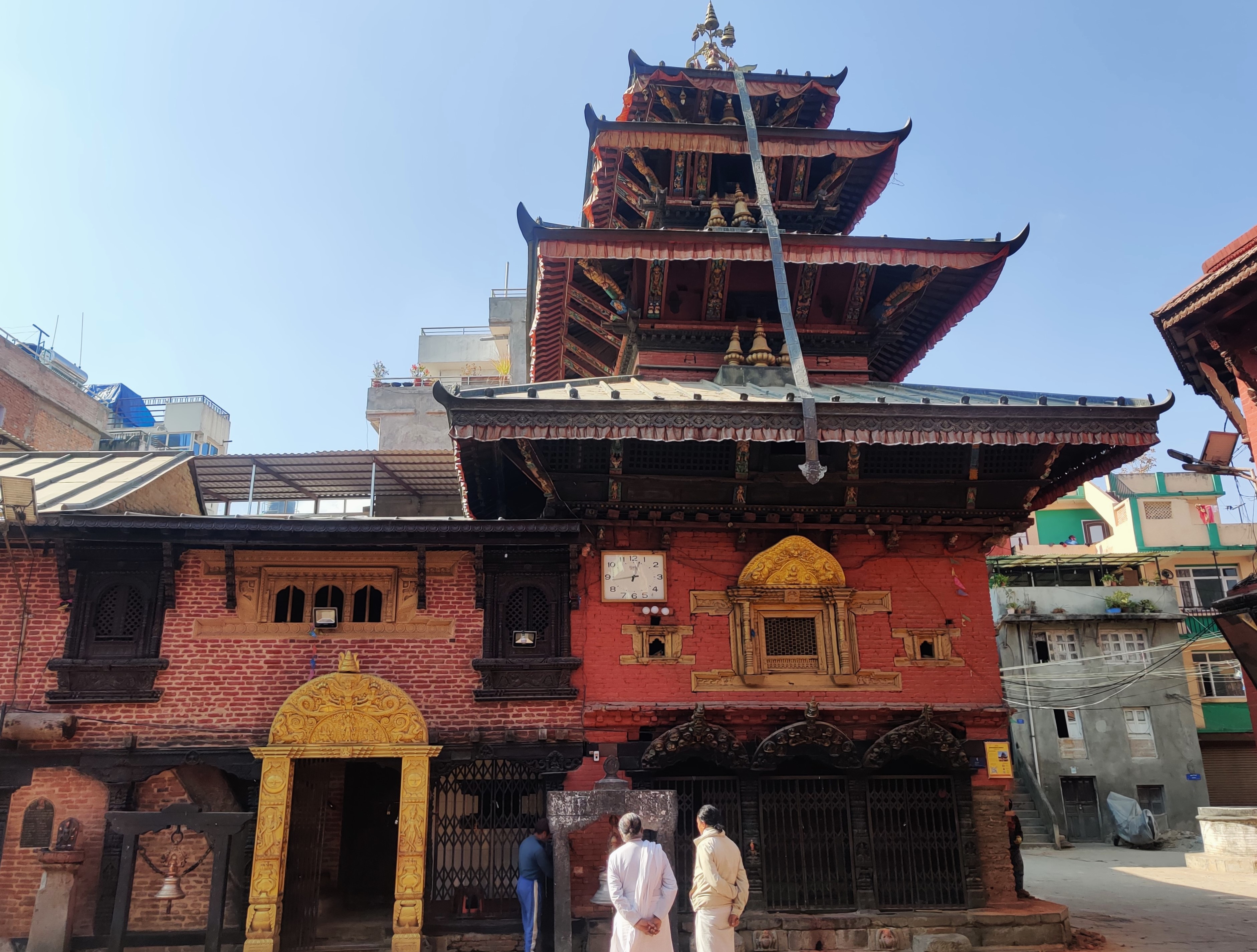
A herito-feminist perspective asks us to look at heritage not only as monuments, temples, statues, and rituals, but also as women’s knowledge, women’s labour, women’s memory, women’s bodies, and women’s relationship with nature. It asks us to question why women are worshipped as goddesses but excluded as decision-makers. It asks why water is sacred in ritual but polluted in practice. It asks why heritage is considered identity, but women’s voices are ignored in preservation.
The role of women in preserving cultural heritage, A Review Article mentions, “Women transmit intangible legacy in ways that are adaptable to modern situations, inclusive of change, and improve cultural representations via their passion for their work. Women’s creativity in utilising intangible cultural legacy contributes significantly to many communities’ economic well-being.”
Nepal cannot protect its culture by excluding the very women who carry it. Nepal cannot protect its environment by worshipping nature in rituals and destroying it in daily life. Nepal cannot protect its heritage by treating it as an object while forgetting the communities, especially women, who give it meaning.
A culture is living when it is just, a heritage is sacred when it does not exclude women and nature worship makes sense when it is protected. A society that worships girls as goddesses must also respect women as equal human beings. Otherwise, worship becomes performance, culture becomes contradiction, and heritage becomes another language of patriarchy.