Kathmandu, March 26
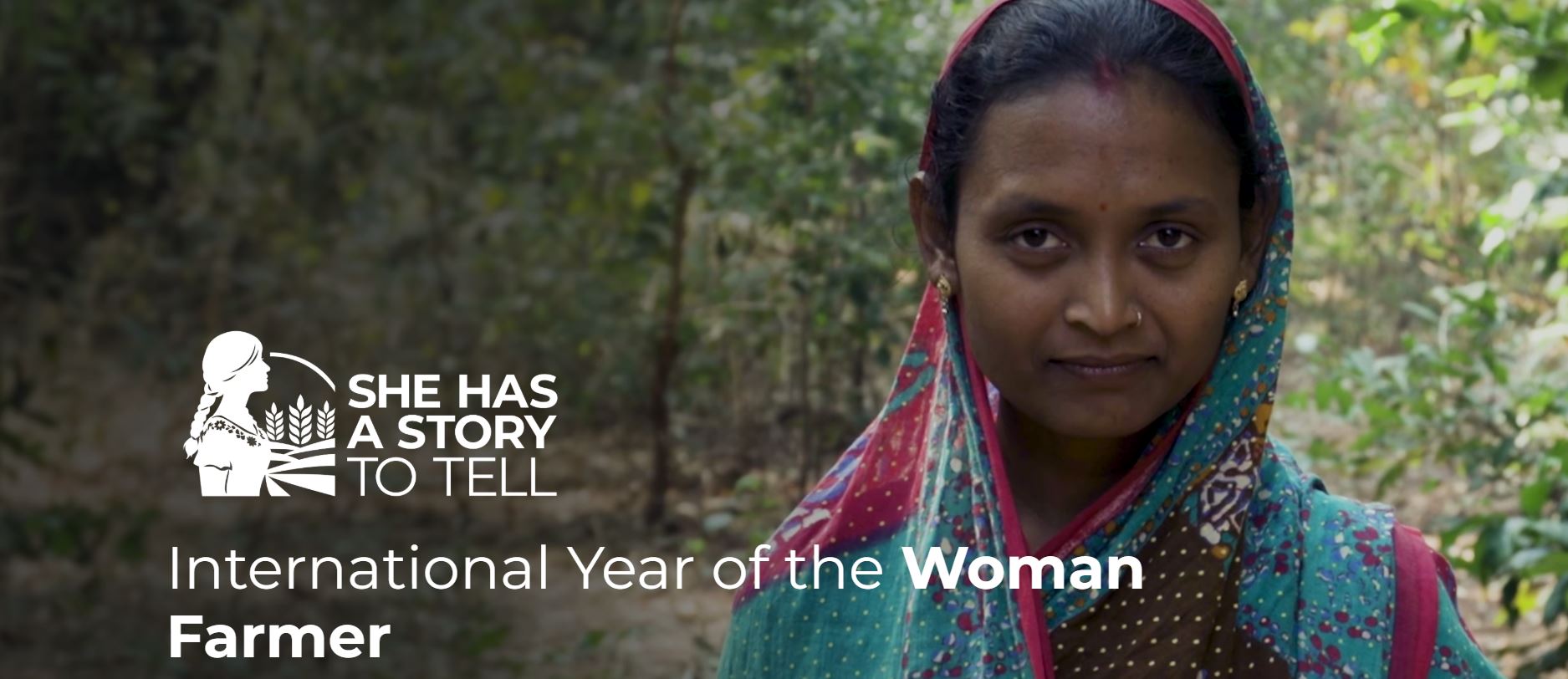
Heifer International in Asia has successfully launched its regional campaign, “She Has a Story to Tell. Are You Listening?”, through a virtual event convening women farmers, policymakers, investors, media, and development partners from across the region.
Launched in alignment with the UN International Year of the Woman Farmer (IYWF) 2026, the campaign aims to elevate the voices, experiences, and leadership of women farmers, positioning them as central actors in food systems and rural economies.
This initiative serves as a platform to bring forward lived realities, challenging outdated perceptions, and highlighting the critical role women play in feeding communities and strengthening economies.
Originally launched in the United States on March 10, the campaign now turns its focus to Asia.
The Asia launch featured the short film “Who is a Woman Farmer?”, capturing public perceptions across the region, alongside powerful testimonies from women farmers.
In her opening remarks, Neena Joshi, Senior Vice President for Asia Programs at Heifer International, emphasised the need to shift narratives.
“Transformation in food systems begins with listening to the women who produce our food,” said Joshi. “These are not just statistics; they are economic drivers. With the right investment and access, women farmers can lead change across entire communities.”
She added that the statistics they cite all have a human face. They have seen firsthand how even small investments and access, through models like self-help groups, can transform lives.
However, women farmers remain undervalued, unseen, and unheard. She warned that if barriers become too great, their contributions could be lost entirely.
That is why she said it is essential to listen to them and support them in learning, leading, and thriving.
Samjhana Khadka, a farmer from Melung, Nepal, described her journey:
“Farming was not enough to sustain our livelihood,” said Khadka. “With training and support from Heifer, I gained new skills and confidence. Despite challenges, I was able to grow my income, repay my loan, and build savings.”
Today, I am not just a farmer but an agripreneur, she added.
Sorn Pov, a smallholder farmer and self-help group leader from Siem Reap, Cambodia, said, “With Heifer’s support, I have achieved financial stability and am now able to contribute to household income.”
She added that their cooperative has saved around 45 million Cambodian riel, approximately USD 11,250.
She said that while opportunities were once limited, their lives have now transformed.
Keynote speaker Reehana Rifat Raza, Regional Director for Asia Pacific at the International Fund for Agricultural Development (IFAD), highlighted the systemic nature of inequality and how policies are designed without listening to women farmers, too often.
“Women make up 75% of beneficiaries and hold 59% of leadership roles in cooperative groups, demonstrating a shift from participation to leadership,” said Raza. “Sustaining this progress requires strong policy commitment and targeted investment. This is not just the right thing to do—it is a smart investment opportunity.”
Dr Prasun Kumar Das, Secretary General of the Asia-Pacific Rural and Agricultural Credit Association (APRACA), emphasised the need for inclusive financial systems.
“Women farmers across Asia and the Pacific face a double burden, balancing productive agricultural work with unpaid care responsibilities, while navigating structural and social constraints that limit their access to fair and profitable markets as well as financial services,” said Das.
To take this campaign forward and accelerate Heifer’s message, campaign ambassador Prajakta Kol participated in a Fireside Chat to kick-start the dialogue on how narratives can inspire awareness, empathy, and action. She began the campaign with simple questions:
“We don’t say ‘male farmer,’ so why ‘female farmer’? Isn’t it time to change this narrative? Why are women spoken about, but not listened to?, she questioned.
She emphasised that storytelling can humanise data and deepen understanding:
“When we understand where our food comes from and who produces it, it changes how we value it. These stories matter because if farmers are affected, we are all affected. With this campaign, we will be putting a name/ a face to this to deepen this understanding.”