Kathmandu, October 25
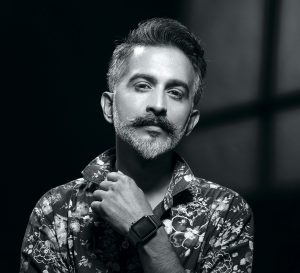
Filming an advertising campaign in the Himalayas involves more than finding the right mountain backdrop. Altitude, weather, access and equipment logistics can all shape how a production unfolds. For Nepali producer, photographer and visual storyteller Gautam Dhimal, these challenges have been part of a career spanning international advertising, documentary filmmaking, fashion campaigns and aerial photography.
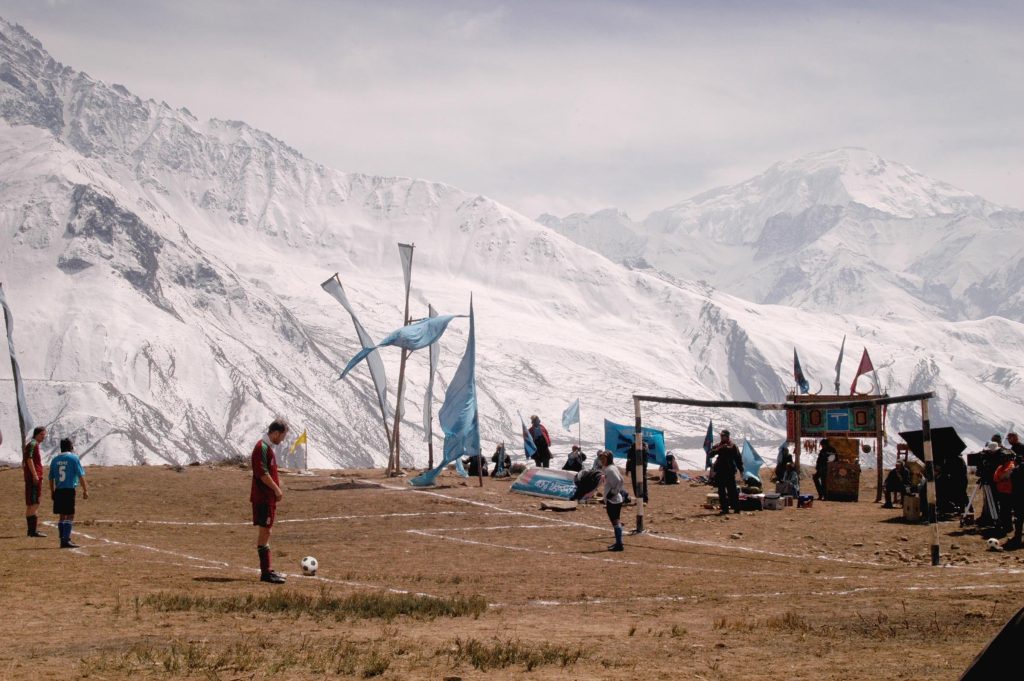
His portfolio includes work associated with brands such as Coca-Cola, Red Bull, Panasonic, Vicks, Nippon Paint, Samsonite and Kellogg’s. One project involved a Powerade campaign by Coca-Cola Germany filmed in the high Himalayas ahead of the 2006 FIFA World Cup.
Other campaigns included Nippon Paint’s use of Kathmandu’s streets and a Panasonic project in the Himalayan region. Each required a different setting, creative approach and set of production arrangements.
For Gautam Dhimal, whose work combines visual storytelling with production management, the task extends beyond capturing an image. It also involves translating a creative brief into a shoot that can be carried out on the ground.
Behind the camera
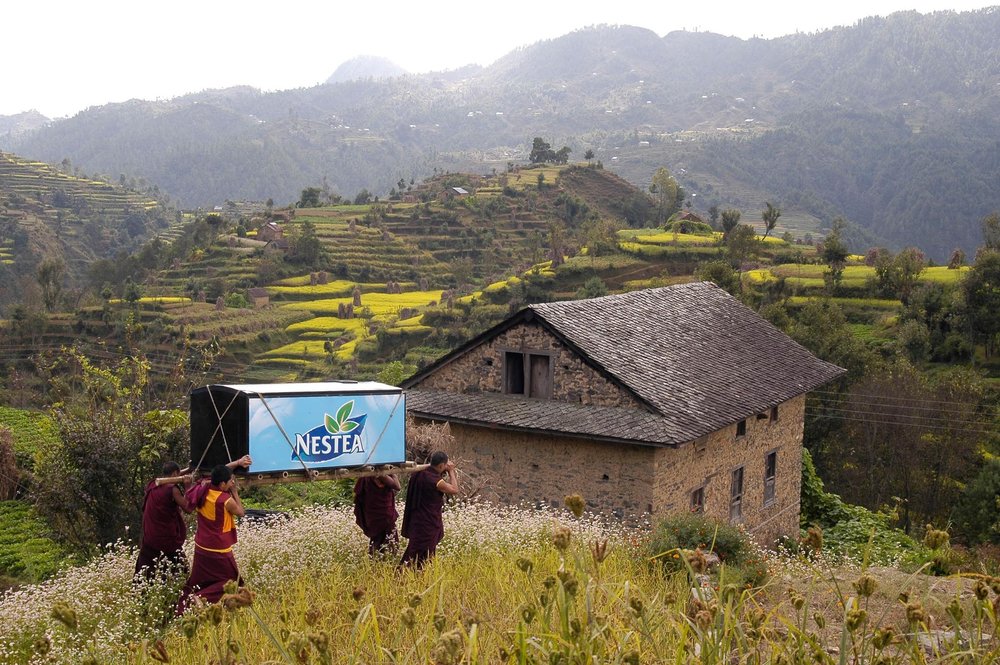
International productions often arrive with a clear creative vision, but executing that vision in Nepal can involve coordinating multiple moving parts.
Filming in remote areas may require permits from relevant authorities, transportation for crews and equipment, accommodation, local casting and contingency plans for changing weather. Productions involving drones, helicopters or high-altitude locations can bring additional permissions and safety considerations.
Gautam Dhimal works across several aspects of this process, including line production, location coordination, aerial cinematography and photography. His experience also extends beyond Nepal, with projects in destinations including Dubai, Thailand and South Africa.
His professional biography lists collaborations with international media and entertainment organisations, including BBC One, FOX and Disney. His photography work covers advertising, fashion, editorial assignments, landscapes and wildlife.
The combination of production and photography gives him experience on both sides of a shoot, from the visual concept to the practical decisions needed to realise it.
Finding the right setting
Nepal offers filmmakers a range of locations, from Himalayan peaks and high-altitude plateaus to dense forests, rivers, traditional settlements and historic cities. For advertising agencies and filmmakers, these environments provide different ways to establish the mood and setting of a story.
A sports campaign might use the mountains to convey endurance and adventure, while a fashion shoot could draw on the contrast between dramatic landscapes and historic architecture. Kathmandu’s streets, meanwhile, offer a different visual character from the country’s remote regions.
But the appeal of these locations comes with logistical demands. Access, permits, transport and safety arrangements can affect production schedules and budgets, making local knowledge an important part of planning an international shoot.
For Nepal’s film and advertising sector, productions of this kind can also create work for local crew members, photographers, transport operators, casting professionals and other service providers.
Beyond advertising
Gautam Dhimal’s interests extend beyond commercial assignments. He also photographs wildlife, landscapes and remote environments, documenting animals, plants and ecosystems across Nepal and elsewhere.
His professional profile notes recognition from the International Photography Awards (IPA), alongside experience in aerial photography and high-altitude fashion campaigns.
Across these different forms of work, photography remains central to his practice, whether the brief involves a global brand or documenting a landscape away from an advertising set.
International productions depend on both creative direction and the ability to manage the realities of filming in unfamiliar environments. Dhimal’s career brings these elements together, spanning the visual work seen by audiences and the coordination required to produce it.
His experience also offers a glimpse into a less visible part of Nepal’s creative industry, where local professionals help international production teams turn ideas into finished campaigns.
All photos: Gautam Dhimal