
Kathmandu, August 31
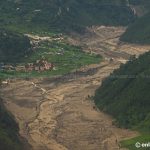
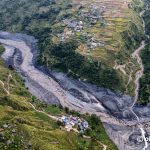
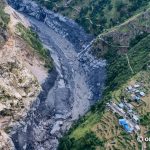
The devastating floods of August 26 have caused extensive damage to drinking water systems in Rasuwa and Nuwakot. Government agencies have yet to determine exactly how many water supply systems were damaged or how many people have been deprived of access to drinking water.
According to Kamal Raj Shrestha, Director General of the Department of Water Supply and Sewerage Management, the biggest damage was caused to the water supply project serving Battar Bazaar in Bidur Municipality, Nuwakot.
More than 5,500 households had been benefiting from the water supply project managed by the Bidur Water Supply and Sanitation Users’ Institution.
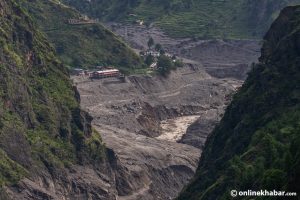
“This water supply system was brought to Battar Bazaar from Betrawati along the road,” Director General Shrestha said. “Along with the road, all the structures of the project have also been damaged.” As a result, a large population has been deprived of drinking water. The disruption of electricity following the floods has also made it difficult to provide water through alternative arrangements in the affected areas, Shrestha said.
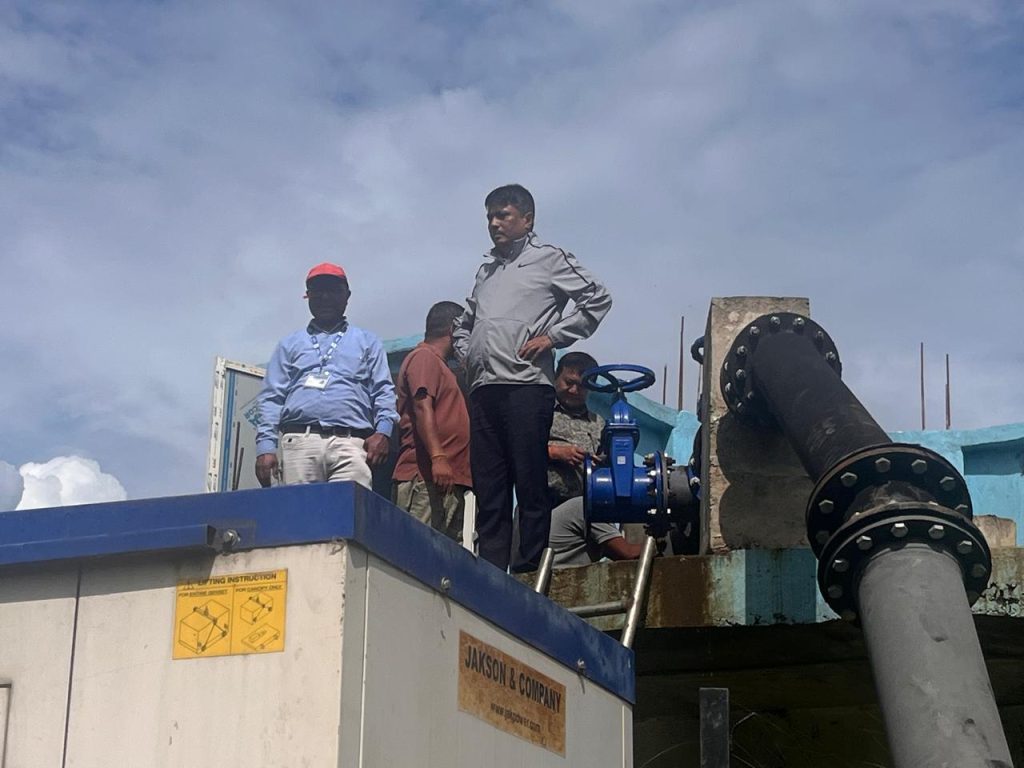
Shrestha and a high-level team are currently in flood-affected areas of Nuwakot and Rasuwa, assessing water supply systems and working on emergency management. “In settlements along the riverbanks, the water supply structures were washed away along with other infrastructure. Their damage is still being assessed,” he said. “The immediate impact has been on the water supply to Battar Bazaar.”
There is still no reliable electricity supply in Nuwakot and Rasuwa. Shrestha said the low-voltage supply has made it impossible to operate pumping systems to draw water from borewells. The department has therefore brought generators from Kathmandu and started working on an alternative pumping system. According to Shrestha, a pumping system with a capacity of 23 litres per second was brought into operation today using a 100 kVA generator.
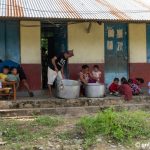
In addition, arrangements have been made to distribute drinking water to shelters through Kathmandu Upatyaka Khanepani Limited and private water tankers, Shrestha said. The tankers are distributing water at locations including Rahul Dhara. Apart from Battar Bazaar, where demand for drinking water remains high, there is currently no immediate need to restore water supplies to all settlements along the Bhotekoshi–Trishuli riverbanks in Rasuwa and Nuwakot, as many of those settlements were washed away by the floods.
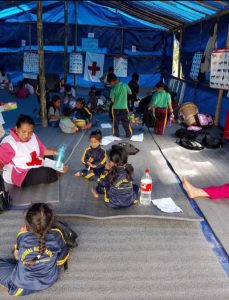
However, ensuring clean drinking water and toilets for sanitation at shelters housing flood victims remains a major challenge. Shrestha said the department is currently focused on addressing these needs.
According to him, there is no major shortage of water sources during the monsoon season. However, the destruction of roads and bridges has created difficulties in distributing water. The department is also working to restore water supplies in affected areas of Rasuwa on a priority basis.
Rajendra Aryal, president of the National Federation of Drinking Water Consumers, said the source of Bidur’s water supply is Phalakhun Khola. The four-kilometre pipeline built to bring water from the source has been damaged.
Similarly, three borewells located in the Trishuli River were washed away, creating a drinking water crisis in Bidur, Battar, Inarpani and Majhitar. According to Aryal, water could potentially be pumped from Gangkate in Tadi Khola, but low voltage has made this difficult.
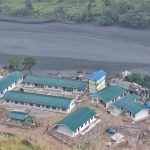
Water treatment plant washed away in Nuwakot, workers missing
The Department of Water Supply and Sewerage Management was constructing a water treatment plant in Nuwakot, where eight or nine employees were working. Director General Shrestha said the workers are missing.
“The plant was in the final stage of construction. The employees were swept away and the structure was also destroyed. The plant has suffered extensive damage,” he said.
Preliminary damage estimate exceeds Rs 600 million
The department has made a preliminary estimate that drinking water systems alone in the flood-affected areas of Rasuwa and Nuwakot have suffered damage worth more than Rs 600 million.
Shrestha said the estimate is still highly preliminary. In some areas, water sources remain intact while distribution systems have been destroyed. Restoring these systems will have to proceed alongside the reconstruction of roads and bridges.
Water shortage poses sanitation challenges

The Water Supply and Sanitation Division Office No. 6 in Nuwakot has begun collecting details from Nuwakot and Rasuwa on disrupted water supply projects in flood-affected areas.
According to engineer Kameshwar Das, the office is currently collecting data. Around 30 small and large water supply projects are estimated to have been affected in the two districts.
The department is concerned that failure to restore water supply projects on time could create additional challenges not only in providing clean drinking water but also in maintaining sanitation. “That is why we are working to restore the damaged systems as soon as possible,” Director General Shrestha said.
Infrastructure Ministry tasked with restoration
A Cabinet meeting held on August 26 following the floods decided that the Ministry of Physical Infrastructure and Transport would make arrangements as soon as possible for the restoration of roads and the provision of necessary drinking water supplies in the affected areas.
The ministry is currently responsible for water supply, urban development and infrastructure. It is preparing to install Bailey bridges at three locations immediately and operate alternative roads at other locations to facilitate transportation.