
Constitutional bodies are institutions whose existence, functions, duties, and powers are established by a nation’s constitution. The constitution protects these bodies, and any significant changes to their powers, functions, or duties require a constitutional amendment.
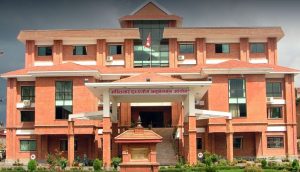
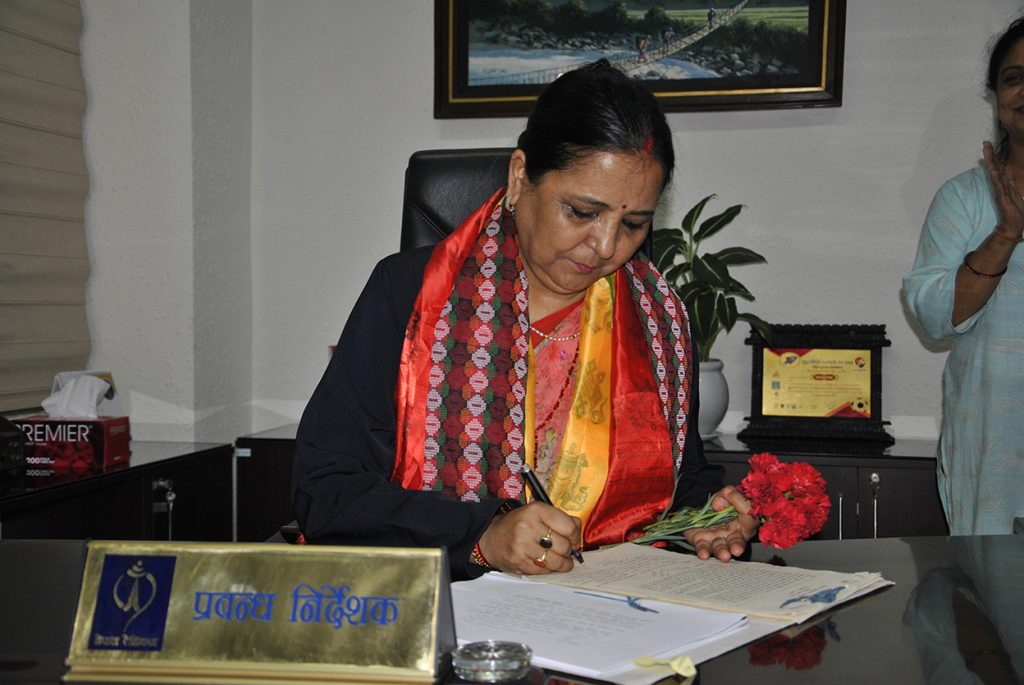
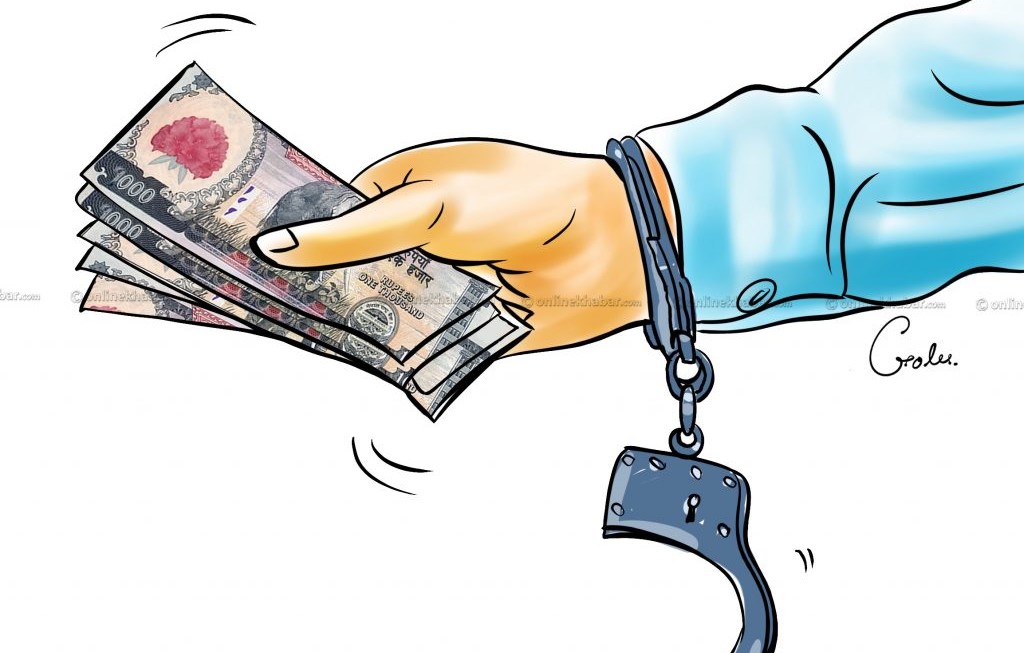
The Commission for the Investigation of Abuse of Authority (CIAA) is an independent constitutional body established to minimise corruption in Nepal. It is responsible for investigating and prosecuting corruption and abuse of authority. The commission carries out its responsibilities through punitive, preventive, promotional, and institutional capacity-building strategies.
To safeguard its independence and autonomy, the Chief Commissioner and Commissioners are appointed by the President of Nepal on the recommendation of the Constitutional Council.
Why the CIAA needs to be independent
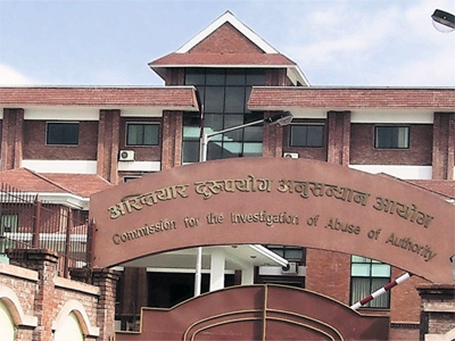
An independent and autonomous anti-corruption agency is a crucial mechanism for controlling corruption in any country, whether developed, developing, or underdeveloped. As a constitutional body, the CIAA must exercise its powers and functions as provided by the Constitution of Nepal while remaining free from unlawful influences that could hinder its operations within the constitutional framework.
An independent CIAA prevents arbitrary government interference and enables the commission to function without political influence. It ensures that laws are applied equally to all individuals and institutions while upholding the rule of law through impartial investigation and prosecution of corruption cases.
An independent anti-corruption commission is also essential for the effective investigation and prevention of corruption through practical and responsive approaches. Corruption remains one of the greatest obstacles to good governance. Independence enables the commission to exercise its authority without fear of political retaliation. It allows the CIAA to function as a watchdog rather than a political instrument used against the opposition. Such independence ensures that its work is not dependent on political favour, allowing investigations to be conducted impartially. Furthermore, it strengthens institutional integrity by enhancing transparency and accountability while encouraging the public to report wrongdoing without fear.
De facto and De jure independence
Both de facto and de jure independence are fundamental to the effective functioning of the CIAA.
De facto independence develops through the commission’s continuous interaction with political parties, public officials, interest groups, and citizens. De jure independence, on the other hand, is guaranteed through constitutional provisions, laws, and regulations that formally establish the commission’s autonomy. In simple terms, de facto independence exists in practice, whereas de jure independence exists in law.
Both legal and functional independence are essential for the CIAA’s effective performance. De facto independence enables the commission to perform its duties without undue pressure or interference, while de jure independence provides the legal authority necessary for its functioning. However, the two often diverge. Even where laws guarantee independence, legitimate and illegitimate political influence may still undermine the commission’s ability to function effectively.
The Constitution of Nepal (2015), the Prevention of Corruption Act (2002), and the Commission for the Investigation of Abuse of Authority Act (1991) provide the legal framework for the CIAA’s independence. Nevertheless, interference from governments and ruling-party leaders has continued to hinder the commission’s effective functioning.
Anti-corruption efforts as political weapons
Nepal was declared a federal democratic republic in 2008. Since then, coalition governments led by major political parties have largely governed the country. However, the results of the 2026 election showed that the Rastriya Swatantra Party secured a majority and formed a government without coalition partners.
Despite ideological differences, anti-corruption has remained a central commitment in the election manifestos of almost every political party. Governments since 2008 have consistently pledged to prioritise anti-corruption. Political parties have often interpreted corruption according to their own political philosophies, raising new public expectations during every election cycle. However, Transparency International’s Corruption Perceptions Index has shown little significant improvement in Nepal’s corruption levels.
One reason for this limited progress is the perception that anti-corruption mechanisms are frequently used as tools of political revenge. Although strengthening anti-corruption institutions has been a major political agenda, their implementation often appears selective rather than impartial.
Political leaders deny allegations that anti-corruption campaigns are politically motivated. Nevertheless, actions against opposition leaders frequently create the perception of a political vendetta. Filing corruption cases or reopening investigations involving opposition leaders primarily for political publicity reinforces concerns that anti-corruption institutions are being used as political tools.
A comparison between previous governments and the current administration reveals recurring patterns with only minor differences. Earlier governments were criticised for overlooking corruption involving members of their own or coalition parties while reopening cases against political opponents in the name of good governance. The current government appears to be following a similar path.
Major corruption scandals—including the Bhutanese refugee scam, gold smuggling, Maoist cantonment fund misappropriation, the Nepal Airlines wide-body procurement case, the visit visa extortion scandal, the Sudan scam, and the COVID-19 procurement scandal—were often alleged to have been delayed or inadequately pursued because of political interests.
Similarly, cases involving cooperative fraud, financial crimes, and money laundering against former minister Rabi Lamichhane, as well as the land misappropriation case involving former Prime Minister Madhav Kumar Nepal, gained momentum only after the individuals were no longer politically aligned with the ruling coalition. Such developments have raised concerns about the selective enforcement of anti-corruption laws.
The current government has faced similar criticism. Allegations include withdrawing money laundering charges, overlooking claims of business conflicts of interest, budget information leaks, tax manipulation, the call bypass case, the Smart Telecom case, and the use of private red number plates by ministers’ advisers. Meanwhile, opposition leaders have reportedly faced investigation and arrest based on limited evidence. This disparity reinforces concerns that anti-corruption measures continue to be used selectively rather than impartially.
Political will and anti-corruption effectiveness
Countries with strong political commitment have generally achieved greater success in implementing anti-corruption strategies. Singapore and Hong Kong, for example, have established highly independent anti-corruption agencies supported by sustained political will. Their experiences demonstrate that legal provisions alone are insufficient; genuine political commitment is equally essential.
In Nepal, limited political will continues to hinder the effectiveness of anti-corruption institutions. Frequent interference in their work illustrates the government’s inadequate commitment to protecting institutional independence.
Recent reports concerning the alleged conduct of the Prime Minister’s advisers toward the Chief Commissioner and senior officials of the CIAA have generated significant public debate. Summoning the Chief Commissioner and senior officials has been viewed as a threat to the independence of the constitutional body. Such actions have been described as ultra vires and as undermining the commission’s institutional autonomy.
Similarly, public remarks reportedly made by the Prime Minister Balendra Shah regarding summoning CIAA officials for several hours have raised further concerns about the commission’s independence. Public statements suggesting interference in the affairs of a constitutional body risk undermining its institutional autonomy and reinforce perceptions that the government seeks to maintain influence over the commission. In this regard, the current government’s approach appears to reflect continuity rather than a departure from the practices of previous administrations.
For the CIAA to function effectively as Nepal’s constitutional anti-corruption body, both de facto and de jure independence are indispensable. Although the Constitution of Nepal and related legislation define the commission’s powers, functions, and responsibilities, legal guarantees alone are insufficient. Government interference, pressure from ruling-party leaders, and both legitimate and illegitimate political influence continue to undermine the commission’s independence and its ability to fulfil its constitutional mandate. Therefore, strong political will to uphold both legal and practical independence is essential to ensuring the CIAA can perform its duties impartially, effectively, and in the public interest.