

Kathmandu, October 6
The CPN-UML has issued an inter-party directive tightening party discipline and barring leaders and cadres from publicly criticising the party leadership, policy or decisions.
The directive, issued by party chair KP Sharma Oli following the UML’s third Central Committee meeting held in September, warns that anyone who publicly criticises, opposes, denounces or insults the party leadership, engages in factionalism or carries out “anarchic and undisciplined activities” will face disciplinary action.
The directive states that past conduct will be treated as a closed chapter, with the latest Central Committee meeting serving as the cut-off point.
It also gives the Central Disciplinary Commission greater authority to take action against those violating party discipline. The Central Organisation Department will also be authorised to initiate disciplinary proceedings where necessary.
The directive comes after the UML suffered a major defeat in the March 5 election, following growing calls within the party for leadership restructuring.
The party had collected suggestions from 13 groups after the election, with most calling for changes in the leadership structure. Senior leaders including Bishnu Prasad Paudel, Prithvi Subba Gurung and Shankar Pokhrel had also led calls for organisational restructuring after the election.
However, the restructuring task force’s report was not discussed at the Central Committee meeting. Instead, Oli presented his own report, whose conclusions have been incorporated into the latest inter-party directive.
Oli accepts responsibility but says he will not step down

In the directive, Oli says he accepts moral responsibility for the election result as party chair but rejects the argument that accepting responsibility means resigning.
“I accept moral responsibility for the election result as party chair,” Oli says in the directive, while arguing that responsibility and leaving the field are not the same thing.
He says the election defeat had multiple causes and should not be attributed solely to the party chair.
“Self-reflection is not a practice of removing the leadership. It is a process of making the leadership more responsible,” the directive states.
The document also compares the election defeat to a multi-causal event, arguing that those placing all blame on the party chair are simply looking for an easy target.
Ten reasons cited for election defeat
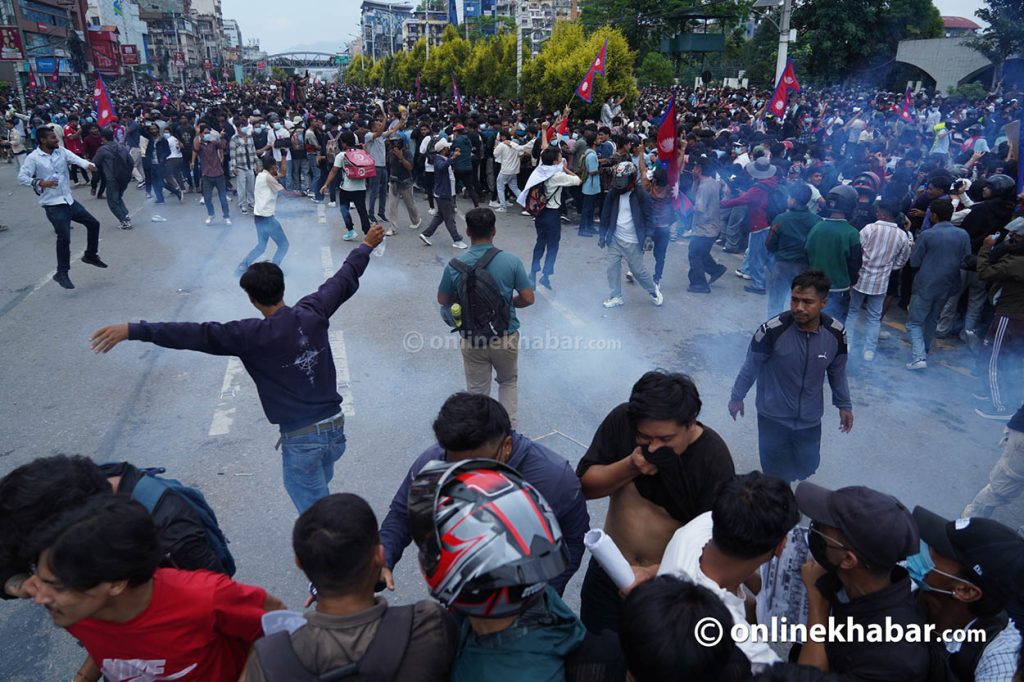
The directive identifies 10 reasons for the UML’s election defeat, most of which relate to shortcomings within the party organisation and its cadres.
The reasons include the party’s failure to reach people at the grassroots, weak engagement with young people, failure to effectively counter opposition attacks, an oversized party structure, unmet ambitions among party members and shortcomings in delivering services to the public.
It also cites the growing distance between central and local leadership, mistakes in candidate selection and the party’s failure to effectively communicate its ideology to voters.
The directive says the party failed to adequately explain how its ideology relates to the lives of a new generation, while its achievements were also overshadowed by negative campaigning and misinformation.
It does not identify a specific failure by the party leadership among the 10 reasons for the defeat. Instead, it places much of the responsibility on the wider party organisation for failing to communicate the leadership’s work and respond effectively to public concerns.
The directive outlines two major tasks for the party — protecting the Constitution and democracy and preparing for the next election — along with 15 organisational tasks for party cadres.
Bidya Devi Bhandari given senior leader role
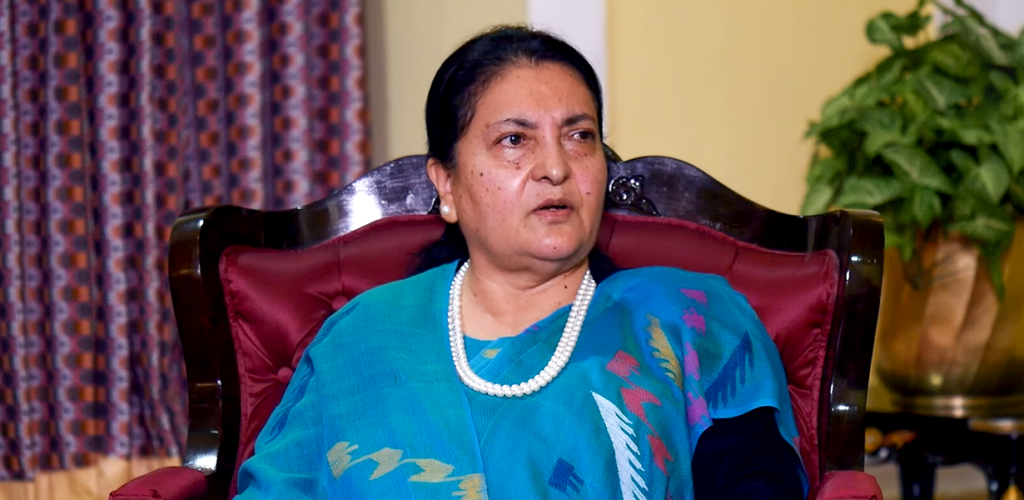
The directive also formally brings former president Bidya Devi Bhandari into an active political role in the UML, assigning her the position of senior leader.
Bhandari will hold the second-highest position in the party hierarchy after the chair and participate in meetings of the Central Committee, Politburo, Standing Committee and Secretariat.
According to the directive, she will assist the party chair and contribute to timely and appropriate decisions for the party.