
Dhankuta, November 25
The hillsides of Ramche, located along the border of wards 4 and 7 of Pakhribas Municipality in Dhankuta, were once covered with lush green tea bushes. For farmers, these plants were not merely a means of cultivation but also a dream of transforming their future. After abandoning other crops to invest in tea farming, they hoped to earn a good income from it.
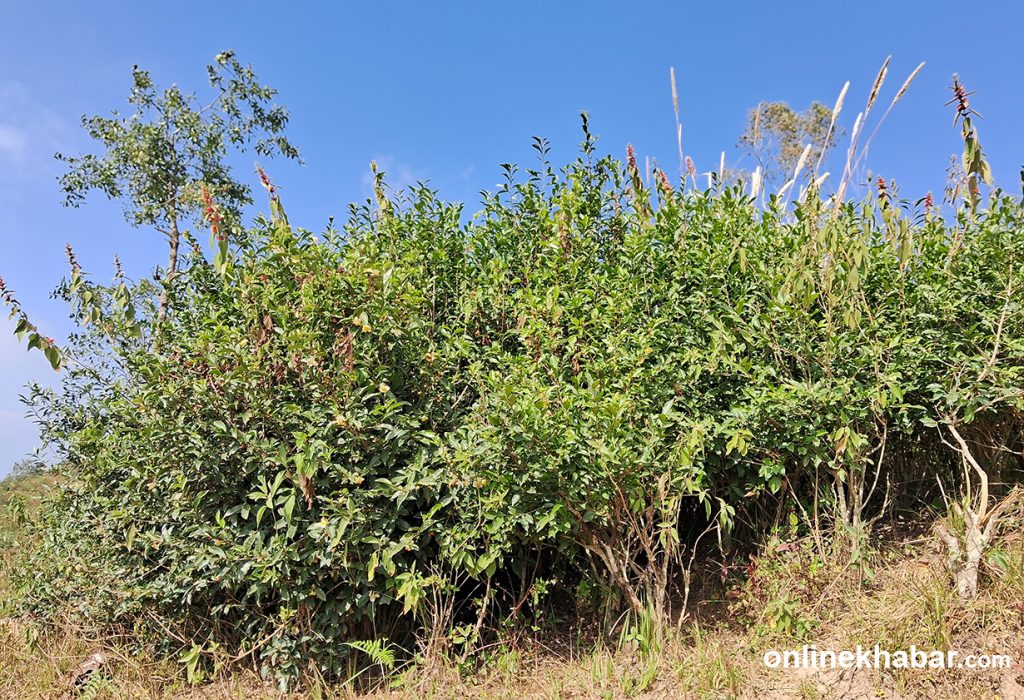
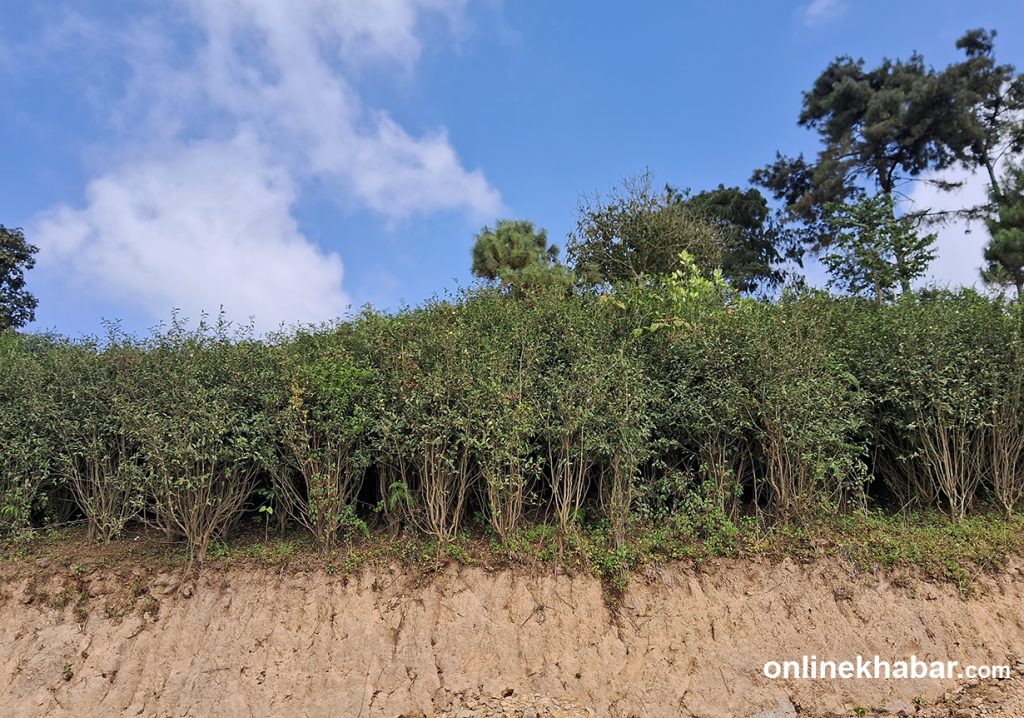
However, tea cultivation has now failed to become a source of income for these farmers. Unable to find a market, they have stopped plucking tea leaves from their gardens. After years without regular weeding and pruning, the tea bushes have gradually turned into overgrown thickets. Ramche, which once held potential for commercial tea production, is now becoming an overgrown area filled with neglected tea bushes.
Govinda Bahadur Thapa, a farmer from Ramche, began expanding tea cultivation in 1998. Hoping to earn more from tea than from other crops, he planted tea on his private land. However, over time, he failed to secure the prices and market he had expected. He complained that he had not even been able to recover his investment because he could not sell his produce.
“We have stopped weeding and pruning the gardens because the tea is not selling. Hiring labourers only increases expenses. What is the point of maintaining the gardens when we cannot even get a fair price for our produce?” he said.
Thapa said farmers had become even more frustrated because the local government had not shown sufficient interest in providing them with the necessary support and managing the market for their produce. He said the tea bushes, nurtured through years of hard work and investment, were now going to waste in the gardens.
Thapa is not the only one facing this problem. Another Pakhribas farmer, Dhan Bahadur Basnet, is experiencing a similar situation. Having cultivated tea on around 10 ropanis of land, Basnet has been unable to maintain his garden regularly because he cannot sell his produce. With no pruning or weeding for the past three to four years, the tea bushes have grown so thick that the garden now resembles a forest.
Farmers are facing a double burden as they cannot sell their produce and must incur additional expenses to maintain their gardens. Basnet said that although he was considering removing the old tea bushes and switching to other crops, raising the necessary funds for the transition was difficult.
Another farmer from Pakhribas, Bimal Rai, has also been engaged in commercial tea farming on more than 15 ropanis of land. However, he too is struggling because tea factories have not offered the prices he expected. Rai said he had been unable to weed or prune his garden for nearly three years because he could not sell his tea.
He said securing a proper market and fair price for the tea produced had become the main challenge. The lack of a guaranteed market has dampened farmers’ enthusiasm for investing in tea cultivation. As the bushes they have nurtured for years are becoming unproductive, their investments are also going to waste.
Farmers face market problems after tea factory shuts down
To process and market tea produced by local farmers, the Ramche Organic Tea Production Cooperative operated a factory until a few years ago at the boundary of wards 4 and 7 of Pakhribas Municipality. Local farmers used to sell their tea to the factory.
The factory processed tea produced by local farmers into various speciality products, including green, black and white tea. The arrangement for processing local produce and taking it to the market had also encouraged farmers to invest in tea cultivation.
However, the factory had to rely on generators for a long time due to inadequate electricity supply. As the prices of diesel and petrol continued to rise, the factory could no longer afford its operating costs and was forced to shut down. This has directly affected local tea farmers.
Following the factory’s closure, farmers no longer had a reliable buyer for their produce. They said the problem of being unable to sell their tea had worsened since then. With sales coming to a halt, they have also been unable to maintain their tea gardens regularly. Farmers who had abandoned other crops to build a future through tea cultivation are now left disappointed as they watch the bushes in their own gardens.
Farmers have complained that Pakhribas Municipality has not taken initiatives to resume the tea factory’s operations. Mayor Gyan Bahadur Gurung said the municipality had received requests to help operate the factory but could not provide support due to a lack of budget.
According to him, farmers have been seeking a substantial budget to resume the factory’s operations. However, the municipality is not even in a position to provide a small amount of financial assistance, he said.