
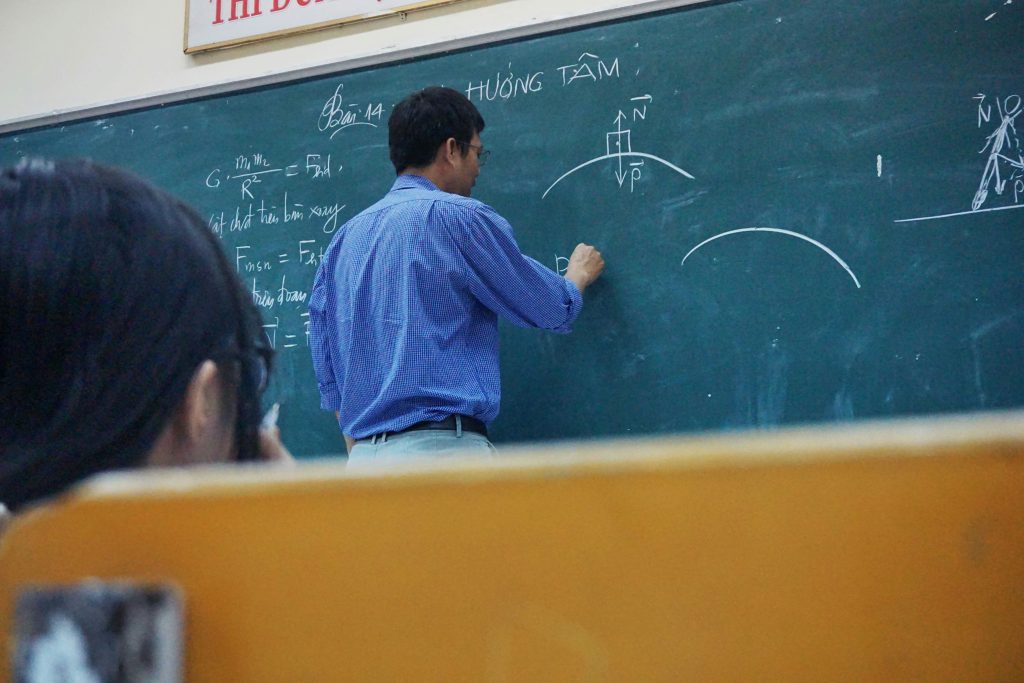
Not long ago, a fellow teacher asked me something I have not been able to shake off since: How do you make sure that lesson planning and marking do not consume so much of your day that you forget to drink water or even step outside for a walk? I laughed when I first heard it, the way one laughs at something too familiar to be funny. Then I thought about it properly, and the laughter stopped. When a profession reaches a point where drinking water and moving one’s body require a deliberate strategy, the problem is no longer about time management. It has become cultural.
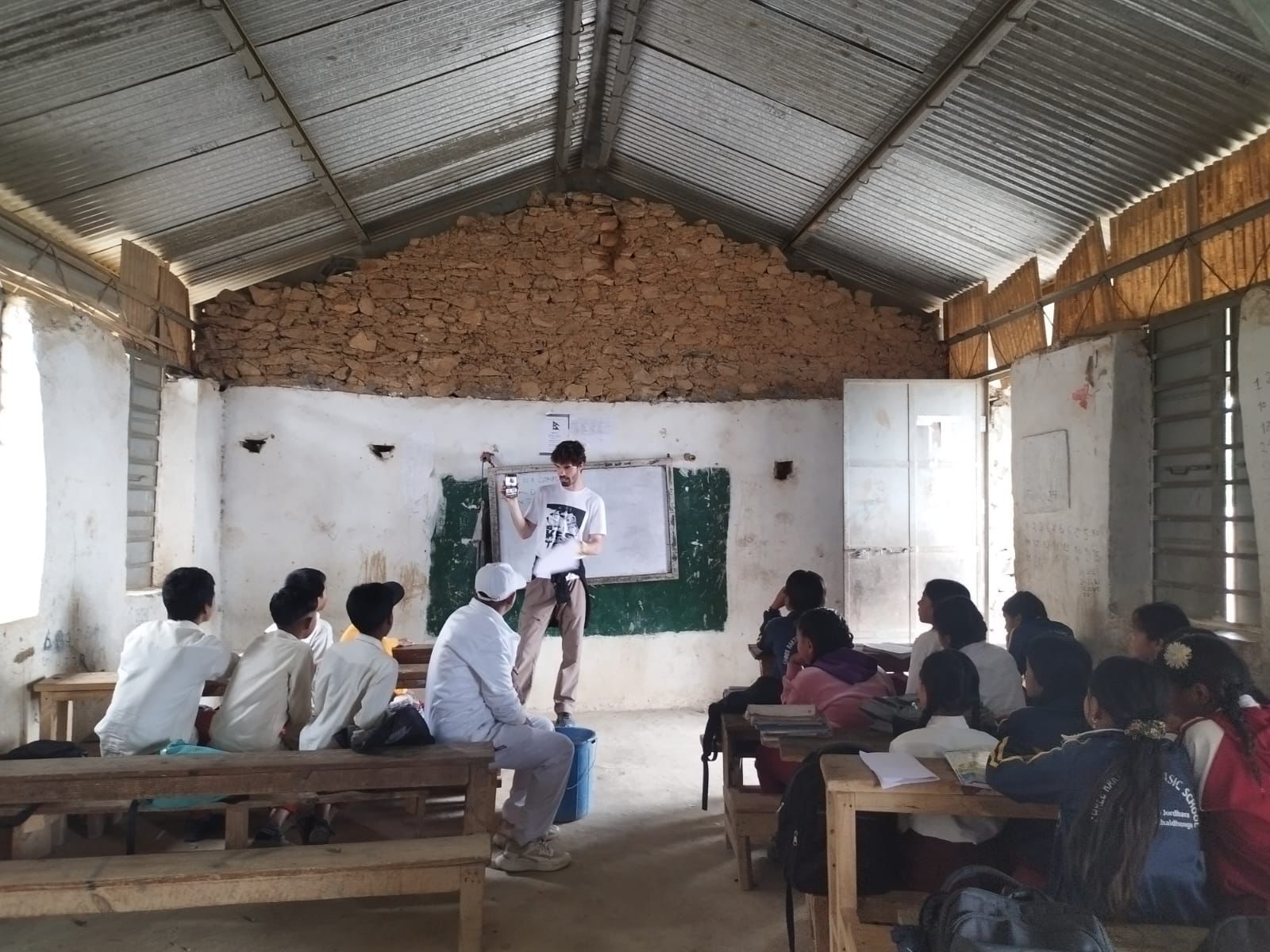
In our schools and universities, teachers operate within an unspoken economy of endless availability. In schools, the bell dictates every minute, while lesson planning, marking and communication with parents spill into evenings and weekends. In university teaching, the boundaries blur further still. Flexible hours quietly become perpetual ones as research, class preparation and student queries colonise every waking hour. This is not an isolated struggle confined to a few overworked individuals. It is an ordinary condition of teaching life, in Kathmandu as much as in a community school in the hills, and most of us have simply stopped noticing it. A teacher managing 50 students on crowded benches, an incomplete syllabus and a stack of exercise books waiting at home does not need a lecture on resilience. She needs permission to put the red pen down before midnight.
My colleague’s question carries an urgent message, even if she did not intend it as one: unchecked preparation and marking erode a teacher’s physical and mental well-being. I would push the argument further. We cannot simply manage our way out of this exhaustion, nor should self-care become one more item on an already impossible list of duties. After more than a decade in classrooms and lecture halls, I have come to believe that a sustainable teaching life demands that we reject the myth of the martyr-teacher — the quiet belief that good teaching requires personal depletion — and replace it with firm boundaries around our time, our marking load and our bodies.
The first boundary concerns preparation itself. Early in my career, I spent hours crafting a fresh worksheet and a new set of slides for every class, convinced that originality was the measure of rigour. I know better now. A sustainable teacher builds reusable frameworks rather than reinventing the wheel every Sunday evening. In schools, this means relying on structured peer discussions, clear rubrics and familiar warm-up routines that shift more of the cognitive effort onto students, where it rightly belongs. In university teaching, it means maintaining reading guides and question banks that evolve gradually over successive semesters rather than starting afresh each time.
The second boundary concerns marking, the silent thief of a teacher’s evenings. Spending 20 minutes writing margin notes on an essay that a student will glance at for 10 seconds is not dedication; it is a poor use of a finite resource. I have gradually replaced line-by-line corrections with live feedback during class, shared rubric codes and whole-class error analysis. When feedback is given during class hours rather than at midnight at the kitchen table, students can act on it immediately, and teachers can reclaim their evenings.
The third boundary concerns the body, and it must be scheduled with the same authority we give to a staff meeting. If drinking water or taking a walk is left until the marking is finished, it will never happen because the marking is never truly finished. I now keep a water bottle beside the attendance register as a small reminder between classes, and I treat the end of the working day as a firm stop — a psychological commute that tells the mind the professional shift has ended.
None of this absolves our institutions of responsibility. Schools and universities must protect planning time from administrative creep and recognise that an exhausted teacher cannot model the curiosity, patience or resilience we expect of students. But institutional reform moves slowly, and until it catches up with classroom realities, individual teachers must draw these boundaries themselves, one water bottle and one evening walk at a time.
A decade in education teaches you that teaching is a marathon run in daily sprints. One cannot pour from an empty cup, and one certainly cannot guide a classroom after forgetting to drink from one’s own glass. Protecting our health is not a detour from good teaching. It is a condition for remaining a teacher at all.