

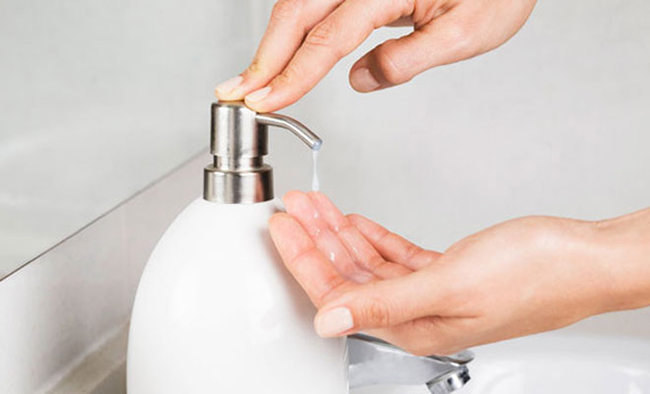
Do you ever stop to wonder what’s in the shampoo you use every morning, or the soap you trust to keep your family clean or the detergent you use to kill bacteria, fungus, and make your home safe? Thousands of Nepalese use these everyday products without doubting their safety, presuming that the government ensures they meet proper standards or safety protocols,s as we have the right to health as a fundamental right granted under the Constitution of Nepal. But in reality, Nepal’s laws for regulating shampoos, soaps, body wash and household cleaning products exist mostly on paper and not in practice. Because of the existing weak legal enforcement, fragmented delegation of authority and limited testing mechanisms, these products mostly escape meaningful oversight on chemical composition, quietly exposing consumers to potential health, physical harm and environmental risks. Here is some practical analysis on the Nepalese scenario for cosmetics/ personal care products and household cleaning products or detergents in Nepal.
Laws that should protect consumers
Nepal does have strict legal instruments targeted towards safeguarding public health. The Cosmetics, Devices, and Drugs Act, 1980, designates the Director of Health Services as the authority responsible for regulating drugs and cosmetics, including personal care products. The Act is the only instrument for product registration, safety evaluation and penalties for non-compliance.
However, the Nepal Bureau of Standards and Metrology (NBSM) formulates the national standards for consumer goods, including chemical and cosmetic products. Additionally, the Consumer Protection Act, 2075 (2018) ensures the registration and approval, product safety, labelling, quality control and graded composition, giving consumers directions to seek compensation when products fail to meet standards.
Indeed, these laws are meant to protect consumers on paper. In practice, however, enforcement is limited, leaving gaps that put everyday Nepalese at risk. While we live by the motto of making our homes the safest spaces, we often overlook the fact that the organic products we use could be silent rebels, full of chemicals that slip past regulations, while we are busy scrubbing our floors or exfoliating the dead cells on our skin and scalp.
The invisible gap
Despite the legal framework, cleaning, cosmetics and personal care products like shampoos, soaps and cleaning products rarely undergo pre-market testing. Manufacturers and importers largely self-regulate, and regulatory action is mostly reactive, responsiveness towards consumer complaints, and not proactive market inspections.
Multiple delegated authorities express the oversight responsibilities; the Ministry of Health, NBSM, and Consumer Protection agencies, but coordination is weak or minimal. Penalties for violations are often nominal, and safety data is seldom disclosed to the public.
For most consumers, these gaps are invisible until a rash, an allergic reaction, or a chemical burn reveals the problem.
The result is that consumers remain vulnerable, often unaware of the risks in products they rely on daily, as most of us are unaware of the Consumer Protection Act providing rights and legal remedies against unfair trade practices, including misleading or substandard goods. The Supreme Court clearly ordered the government to implement the Act and set up the consumer courts nationwide, navigating the judicial support for consumer rights and protection.
Why this matters
This is not just a legal issue; it is a public health concern. Children are easily reactive to chemicals in soaps and shampoos. Adults, who often handle cleaning products on a daily basis, face disproportionate risks. And low-income households may not have the ability to switch towards the available safer alternatives.
Internationally, countries like India and the European Union mandatorily requires use of authentic human safe elements, pre-market testing, strict labeling and regular inspections. In contrast, Nepal faces cases of self-regulation and complaint-driven enforcement after the use and reaction, leaving millions of consumers exposed to avoidable risks. Therefore, we need tactful measures to address this regulatory gap urgently, while some of the practical measures are mentioned herein:
- Clear lead authority: Allocate a separate agency to deal with all forms of personal care, cosmetics and household products.
- Mandatory pre-market testing: Ensure shampoos, soaps and cleaning products are independently assessed, tested, and validated before sale or consumption.
- Strengthen enforcement and lab capacity: NBSM needs resources and trained manpower for regular product testing, safety labels and compliance checks.
- Routine market surveillance: Proactive inspections prevent unsafe products from reaching consumers and avoid unverified consumption.
- Consumer awareness: Public disclosure of regulatory mechanisms, weekly, monthly or quarterly reporting, safety data educates the citizens to make informed choices.
These steps ensure that consumer protection becomes a reality, not just a promise on paper. True consumer protection starts when oversight catches problems before they touch a household, not after.
Conclusion
Every day, Nepalis trust these products with their health and well-being. The trust will be an issue unless we address these issues through accountable, transparent, and proactive measures. It is important to shift towards notable actions which can be beyond the statutes for protecting the public health because safety is not just a legal concept; it is a daily reality for every consumer living in the hope of living a guilt-free life with informed choices among the available resources. Therefore, it is not enough to have rules in the name of safety; protection only counts when it safeguards the real people from possible threats or hazards.
Nepal’s challenge is not the absence of law but the absence of effective enforcement. Laws exist to protect consumers, yet weak oversight, fragmented authority, and limited resources allow shampoos, soaps, and cleaning products to escape meaningful regulation. As a consumer, over time, we buy a product, we vote for safety, quantity and transparency – make it count.
As more Nepalis turn to natural shampoos, organic soaps, and eco-friendly cleaning products, hoping to care for their hair, skin, and the planet, it’s ironic that weak regulation still puts them at risk. Your shampoo shouldn’t double as a chemistry experiment, but, without proper oversight, that’s exactly what it can be, in the absence of robust oversight agencies.