

During floods, landslides, or other natural disasters, the priority is always saving lives. But rescue cannot treat everyone’s risk, needs, and physical condition the same way. Women, pregnant and postpartum women, infants, and children face heightened risk during disasters. That’s why they require special priority and sensitive care, “soft care” at every stage.
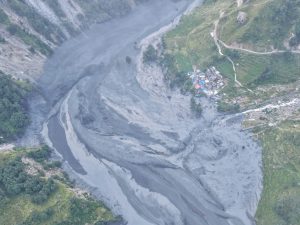
Nepali Congress Chief Whip Basana Thapa said the “single-door system” implemented in flood-affected areas risks overshadowing the specific needs and rights of women and children. During her field visit to Rasuwa’s flood-hit areas, she found women and children’s conditions especially difficult, with a particular shortage of sanitary pads and hygiene kits.
She noted that centrally sent supplies were piling up in one place without reaching actual victims — showing that the single-door system alone isn’t enough; ensuring the right materials reach the right people is equally essential.
Life first, then special needs
According to Armed Police Force spokesperson DIG Netra Bahadur Karki, women and children are given special priority during rescue and management. Where possible, women are rescued by female security or rescue personnel, though this isn’t always feasible during fast currents or dangerous terrain; whoever rescuers encounter first gets rescued first, regardless of gender.
Prioritising women and children doesn’t mean neglecting men or others at risk. Whoever’s life is in immediate danger must be rescued first. But afterwards, attention must go to the specific needs of women, children, pregnant and postpartum women, senior citizens, and people with disabilities, including maintaining dignity and privacy for injured, semi-conscious, or soaked women during rescue.
Higher risk for pregnant and postpartum women
Pregnant and postpartum women are among the most vulnerable during disasters, since both mother and unborn child’s health are at stake. Gynaecologist Dr Deepa Chudal said rescued pregnant women should be moved to safety and healthcare providers notified as quickly as possible, via helicopter if roads are blocked. Delays in reaching health facilities can turn situations critical.
Infection risk is also significant, as floodwater can spread cholera and diarrheal diseases; pregnant women need boiled or safe water, nutritious food, and medication. Standing water after floods also raises mosquito-borne disease risk, requiring bed nets and repellents.
Special care must be taken during rescue to avoid injury, since trauma can cause miscarriage in early pregnancy or internal bleeding and complications later in pregnancy. Beyond rescue, health checkups, nutrition, hygiene, mental health support, and access to maternity services must follow.
Menstruation as an “emergency need”
Relief typically prioritises rice, lentils, water, clothing, and medicine, but sanitary pads, underwear, soap, and sanitiser are equally essential for women.
Lack of safe toilets and pads during menstruation raises infection risk. Dr Chudal says these items must be treated as basic necessities, not “extras,” with safe, private toilets and bathing facilities in shelters.
Children’s bodies show disaster’s impact faster
Paediatrician Dr Baburam Karki said children trapped in cold water or mud for extended periods face various health risks. Cold affects children’s bodies faster than adults, potentially causing dropped body temperature, cardiac issues, kidney problems, pneumonia, and metabolic disturbances. Dirty water entering through the mouth or nose can cause aspiration pneumonia.
Children trapped in mud, rocks, or debris risk fractures and injuries; since children’s bones are more fragile, extra care is needed during rescue. Afterwards, clearing water and debris from the mouth and nose, protecting against cold, providing first aid, and reaching healthcare quickly are essential.
“Soft Care” for children means understanding not just physical gentleness but also their fear, security, and emotional needs, says Dr Pandey.
Child rights activist Gauri Pradhan emphasises reassuring language during rescue; phrases like “you’re safe, we’re here” help reduce fear in frightened, crying, or separated children. Rushed pulling from mud can cause further injury; situations must be assessed for safe extraction.
Protecting children separated from parents
Children risk separation from parents during disasters, making it risky to place them among general relief-seekers.
The Armed Police Force prioritises health treatment for unaccompanied or separated children, managing them at holding centres while searching for families.
If families aren’t found immediately, safe institutional care is required until reunification.
Shelters must be women- and child-friendly
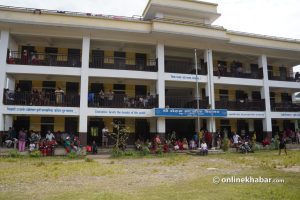
Crowded camps can expose women and girls to sexual violence, abuse, or trafficking risks.
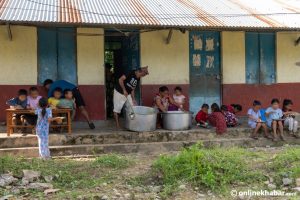
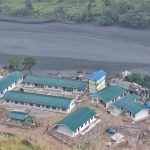
Dr Chudal recommends safe spaces, adequate lighting, secure toilets and bathing areas, female health workers, and security arrangements in temporary shelters.
Tailored relief supplies
Distributing identical relief packages to everyone isn’t practical, says Pradhan.
Children need diapers, nutritious food, and age-appropriate supplies; women need sanitary pads and hygiene kits; pregnant and postpartum women need additional nutritional and health support.
Clearly labelled, need-based distribution ensures materials reach the right people.
Single-door system plus need-based distribution
While the single-door system prevents duplicate distribution and misuse, it shouldn’t mean identical distribution for everyone.
Gender- and age-disaggregated data, needs assessment, and distribution monitoring are essential, requiring coordination between federal, provincial, and local levels.
Mental health matters equally

Losing homes, relatives, or witnessing destruction can cause serious psychological trauma, especially for children and women.
Trauma counselling and psychosocial support are needed alongside food and medicine, with safe spaces for children to play, talk, and express emotions, particularly for those who lost parents or families.
Priority doesn’t mean neglecting others

Prioritising women and children doesn’t diminish other victims’ lives; disaster management’s core principle remains saving lives at immediate risk.
But since women, infants, children, pregnant women, and other vulnerable groups face compounded risks, identifying and addressing their specific needs remains essential. Priority isn’t about excluding anyone; it’s about providing extra protection to those at greater risk.