Kathmandu, October 5
The Ministry of Women, Children, Gender and Sexual Minorities and Social Security has begun an initiative to ensure safe, dignified and accessible toilets and the necessary infrastructure at highway rest areas for women, children, persons with disabilities, senior citizens, and gender and sexual minorities.
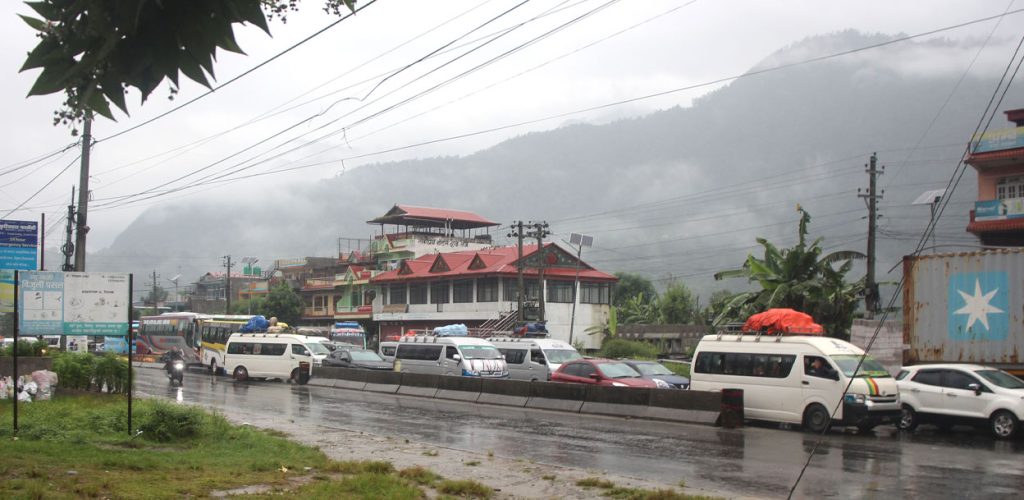
In a letter to the Ministry of Infrastructure Development, the Ministry has asked that accessible, friendly toilets and necessary infrastructure be built for everyone at temporary and permanent rest areas where public vehicles stop passengers on highways and road sections across the country.
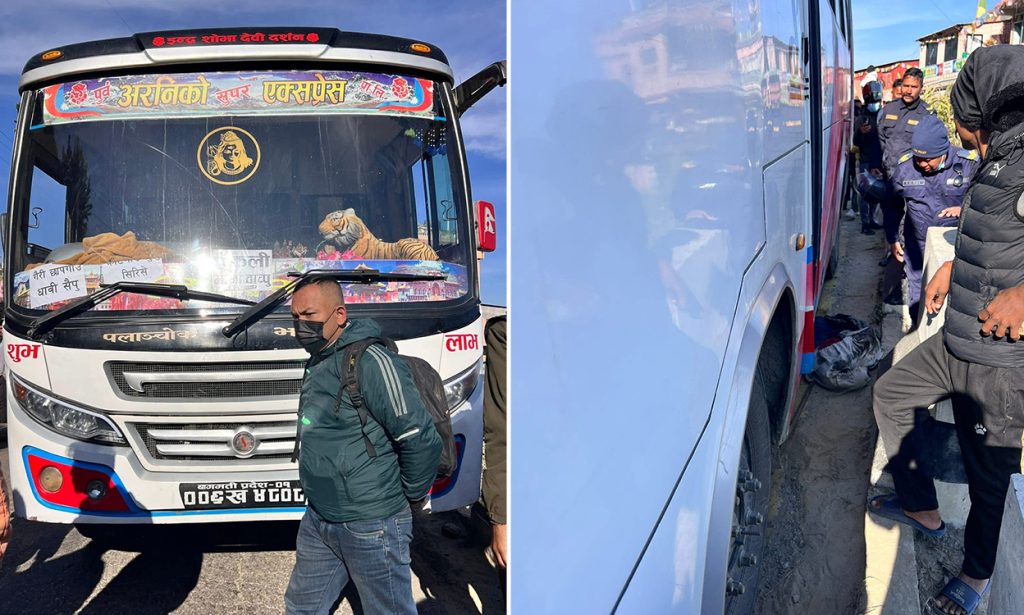
The Ministry said passengers on long journeys should be able to get basic services at rest areas easily, but that many places lack minimum facilities, including toilets and accessible infrastructure.
The Ministry’s letter says this particularly causes additional problems for women, children, persons with disabilities and senior citizens, so rest-area infrastructure needs to be made inclusive and accessible.
The Ministry has also asked that the necessary toilet facilities be ensured at rest areas already built, and that arrangements be made so public vehicles stop only at places with toilet facilities.
It stressed that when new rest areas and other road infrastructure are built, accessible structures friendly to women, children, persons with disabilities, senior citizens, and gender and sexual minorities must be built from the start.
The Ministry sent the letter to put into practice the rights guaranteed by the Constitution of Nepal, the Act Relating to the Rights of Persons with Disabilities, the Senior Citizens Act and the Sustainable Development Goals.
It also asked the Ministry of Infrastructure Development to give the necessary directions to, and coordinate with, the relevant infrastructure development offices, and said it would provide the necessary support, partnership and coordination in this work.
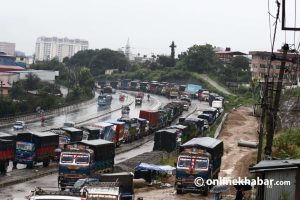
As the festival season approaches, passenger numbers on long-distance public vehicles will rise, so the need for basic services and accessible infrastructure at highway rest areas will grow further, the Ministry said.
The Ministry has taken the initiative to create an environment in which passengers can rest and get the services they need in a safe, clean and dignified way, and to make highway rest areas safe and accessible for women, children, persons with disabilities, senior citizens, and gender and sexual minorities.