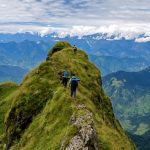
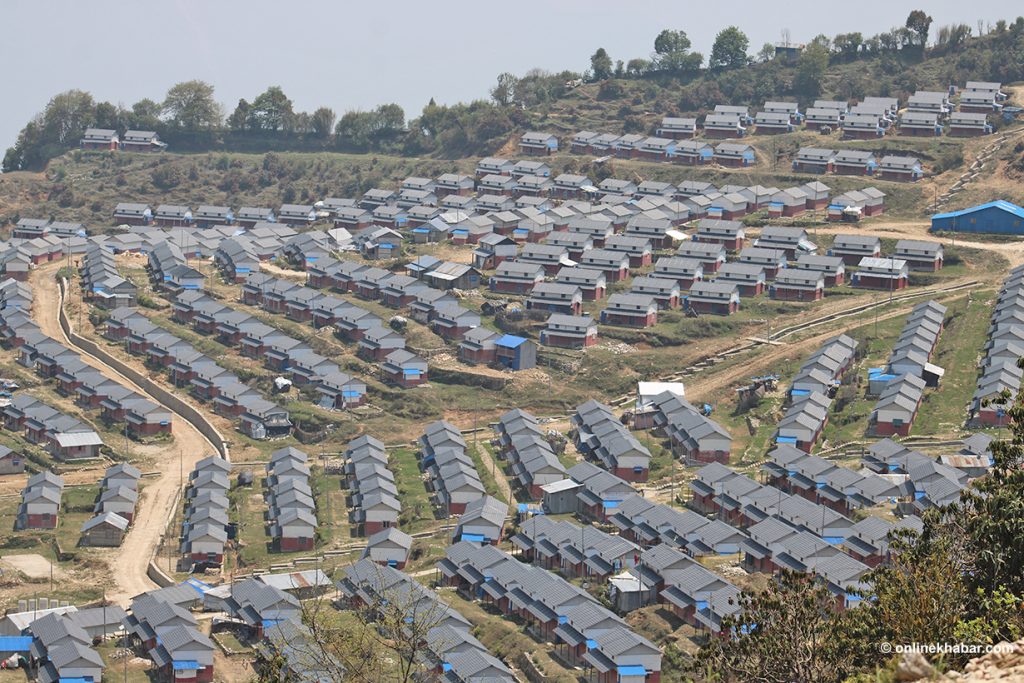
If you are planning to explore somewhere new during the long Dashain holiday, Sudurpaschim could be an option worth considering. The province offers an unusual mix of landscapes and experiences, from mountains and hills to forests, lakes, wildlife, religious sites and distinctive local cultures.
From the high-altitude landscapes of Khaptad and Api-Nampa to the lowland areas around Shuklaphanta and Ghodaghodi, a trip through Sudurpaschim can offer a variety of experiences in a single journey.
The Nepal Tourism Board lists Khaptad, Shuklaphanta, Badimalika, Api-Nampa, Ghodaghodi and Ramaroshan among the province’s major natural and religious destinations.
If you are planning a Dashain trip, here are seven destinations to consider.
1. Khaptad — Meadows, forests and mountain tranquillity
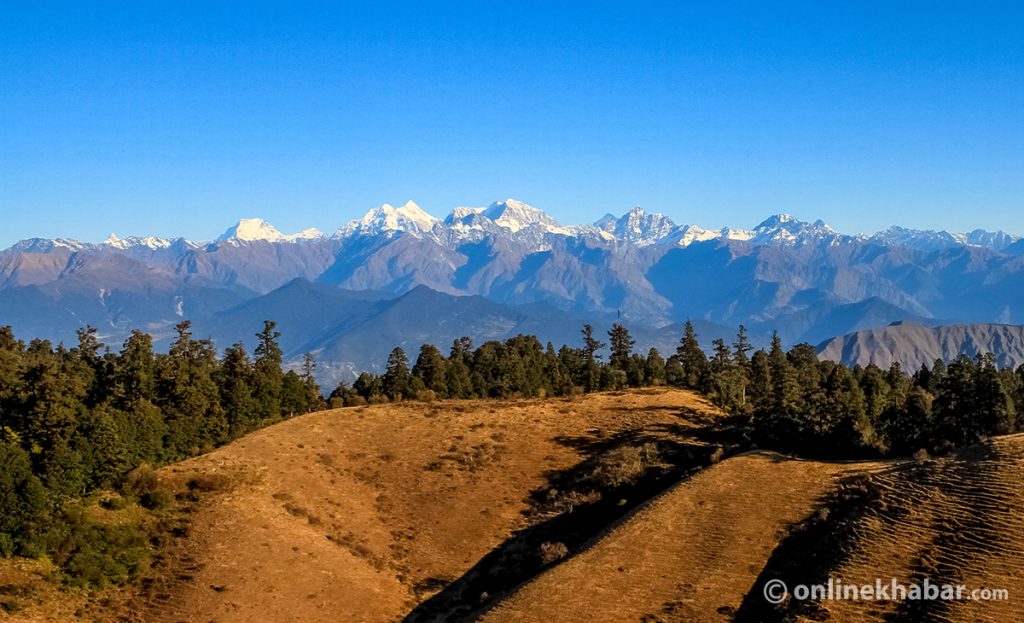
Khaptad is one of the first destinations that comes to mind when talking about Sudurpaschim. Situated at elevations ranging from around 1,400 to 3,300 metres above sea level, the Khaptad region is known for its natural, religious and spiritual attractions.
According to the Khaptad Area Tourism Development and Management Committee, the area is home to around 270 species of birds and 224 species of medicinal plants.
What to see
Khaptad Lake, Triveni, Sahasralinga, Khaptad Baba’s Ashram, Nagdhunga, dense forests and mountain and hill landscapes are among the attractions.
Khaptad Baba’s Ashram is located at an elevation of around 3,160 metres. The Khaptad Area Tourism Development and Management Committee says Khaptad Baba spent more than five decades meditating in the area.
According to the Nepal Tourism Board, 20 species of mammals and 175 species of birds have been recorded in Khaptad.
Hiking, nature observation, birdwatching and meditation or spiritual tourism are among the main activities here.
2. Ramaroshan — A landscape of 12 lakes
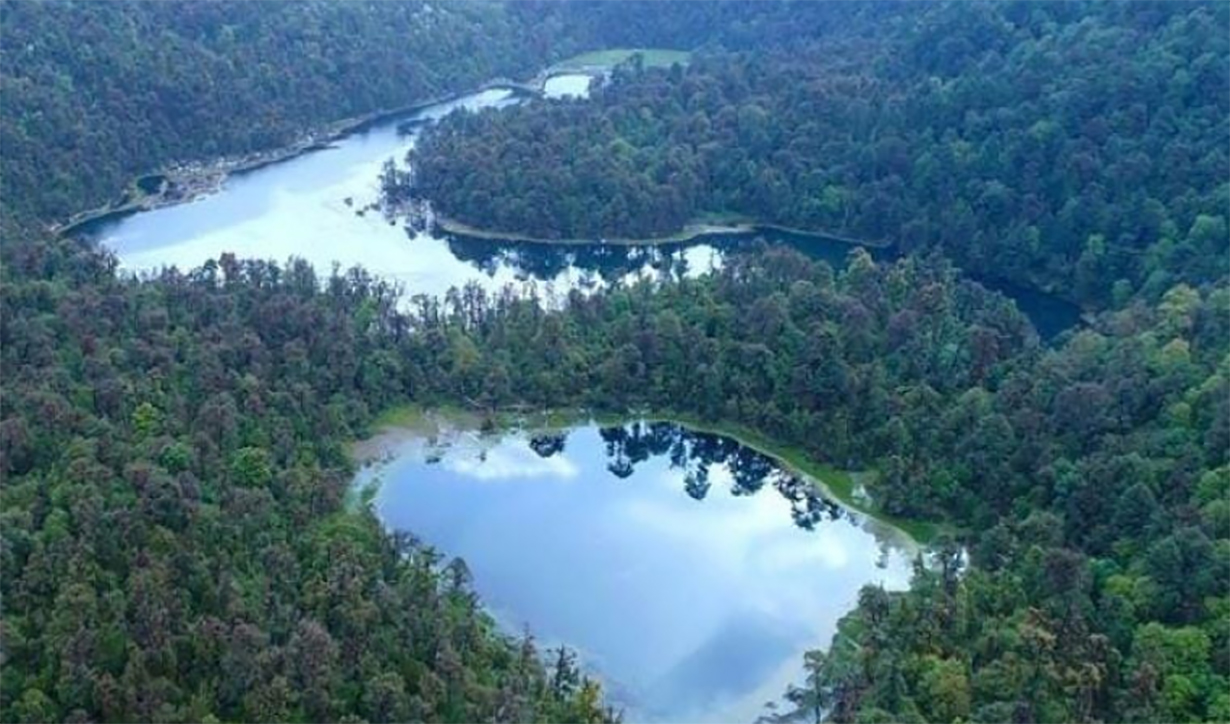
For those looking for lakes, greenery and open mountain landscapes, Ramaroshan in Achham is another option.
Ramaroshan is locally associated with five traditional areas. Its lakes, green meadows and surrounding hills are among its main attractions. The Nepal Tourism Board also identifies Ramaroshan as one of Sudurpaschim’s major natural destinations.
What to see
Visitors can explore the lakes, green meadows, mountain landscapes, local settlements, forests and different species of birds.
Conservation work is also being carried out in the Ramaroshan-Badimalika area, which has biological and cultural significance. A project of the National Trust for Nature Conservation has focused on biodiversity conservation, nature tourism and the participation of local communities.
Visitors can walk around the lakes, hike, observe nature and birds, and experience local culture. Its combination of lakes, mountains and quiet surroundings can also make it an appealing destination for photography.
3. Shuklaphanta — Looking for tigers and swamp deer on safari
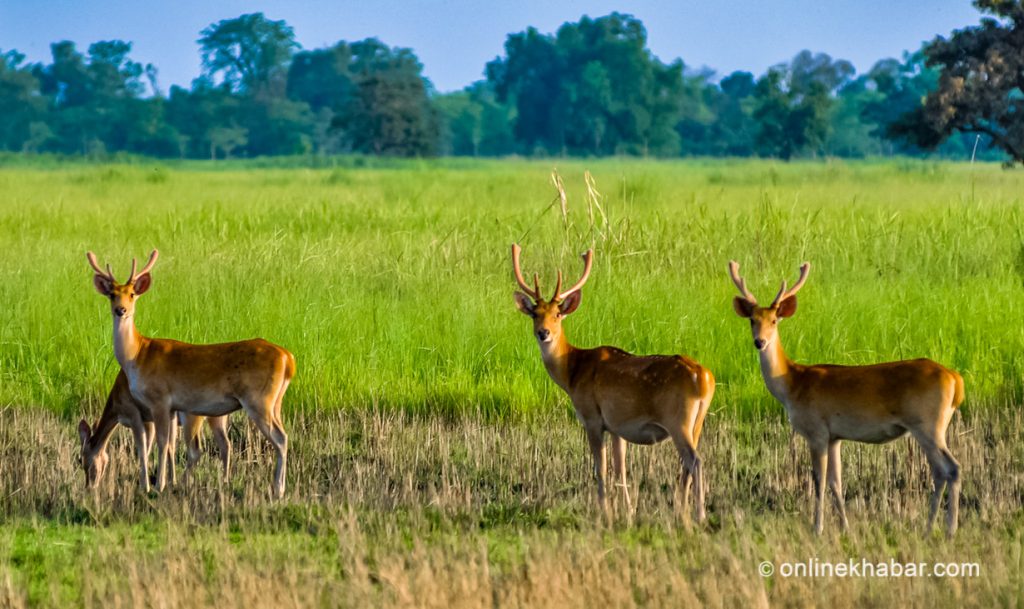
If you are not interested in high-altitude trekking, Shuklaphanta National Park can offer a different kind of nature experience during Dashain.
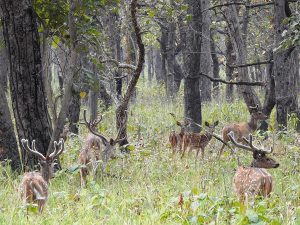
The park is particularly known for its vast grasslands and swamp deer. According to the Nepal Tourism Board, wildlife found in the park includes Bengal tigers, wild elephants, spotted deer, nilgai, wild boar and leopards. More than 350 species of birds have also been recorded there.
What to see
Visitors can look for swamp deer, Bengal tigers, wild elephants, spotted deer, nilgai, mugger crocodiles and various species of birds.
Jungle safaris and wildlife observation are the main attractions.
Dashain also falls around a period considered suitable for visiting the park. The Nepal Tourism Board considers October to March an appropriate season for Shuklaphanta.
4. Ghodaghodi — Lakes, birds and Tharu culture
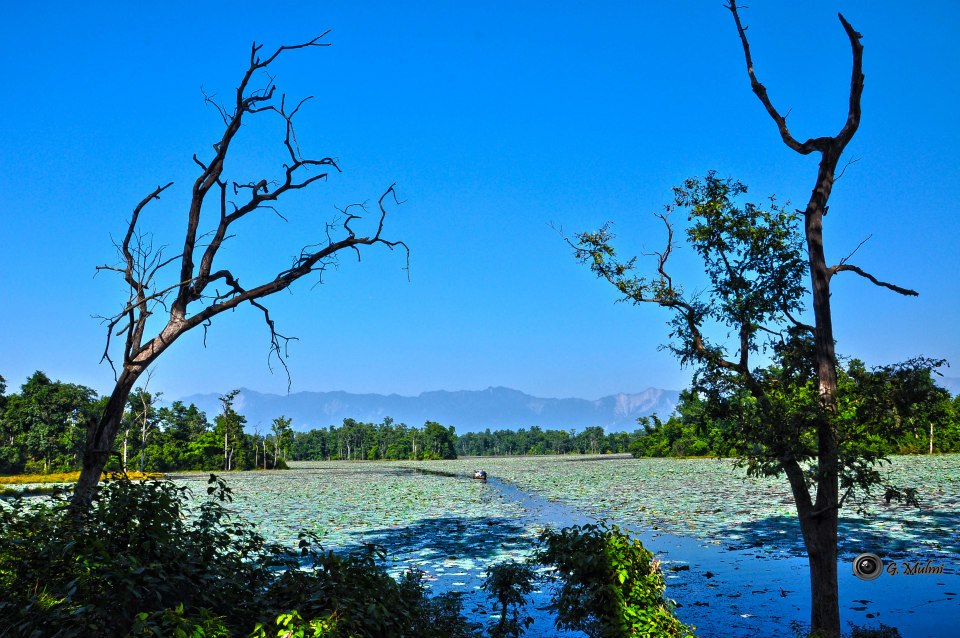
If you want to combine nature with local culture, the Ghodaghodi Lake area in Kailali is another destination to consider.
Ghodaghodi is recognised by government tourism sources as an important wetland and natural destination in Sudurpaschim.
What to see
Visitors can explore Ghodaghodi Lake, the surrounding wetlands and forests, and observe birds and other natural features. The area also offers an opportunity to experience Tharu villages and culture.
Nature observation, birdwatching and cultural experiences linked to the local community can be enjoyed around the lake, particularly in the morning and evening.
For those looking for a shorter and more relaxed trip with family, Ghodaghodi can be an option.
5. Dadeldhura — Hills, temples and history
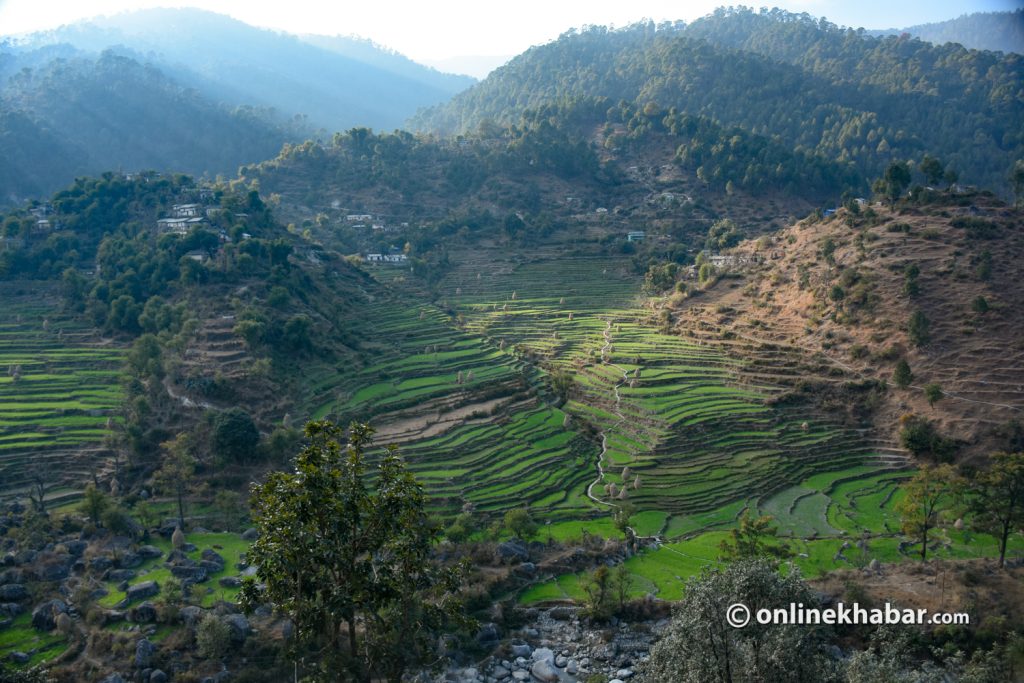
Dadeldhura can be made one of the main stops on a longer Sudurpaschim trip during the Dashain holiday.
Cool hill weather, expansive views of the surrounding landscape, historic forts, temples, lakes and local lifestyles give the district a range of attractions.
The Sudurpaschim provincial government lists Ugratara Temple, Amargadhi Fort, Ajayamerukot, Alital, Parshuram Dham and Ghatal Baba, among others, as sites of tourism and religious importance.
What to see
Those looking to combine religious, historical and hill tourism can include Dadeldhura in their itinerary.
Ugratara Temple, Amargadhi, Ajayamerukot, hill markets and villages, as well as mountain and hill views from the surrounding areas, are among the places to explore.
The province’s official tourism information also identifies Ajayamerukot, Alital and Ugratara among Dadeldhura’s major tourist attractions.
Dadeldhura can be suitable for those who want to experience the hill climate, history, religious sites and local food without undertaking a long trek.
6. Badimalika — A Himalayan trek with a religious journey
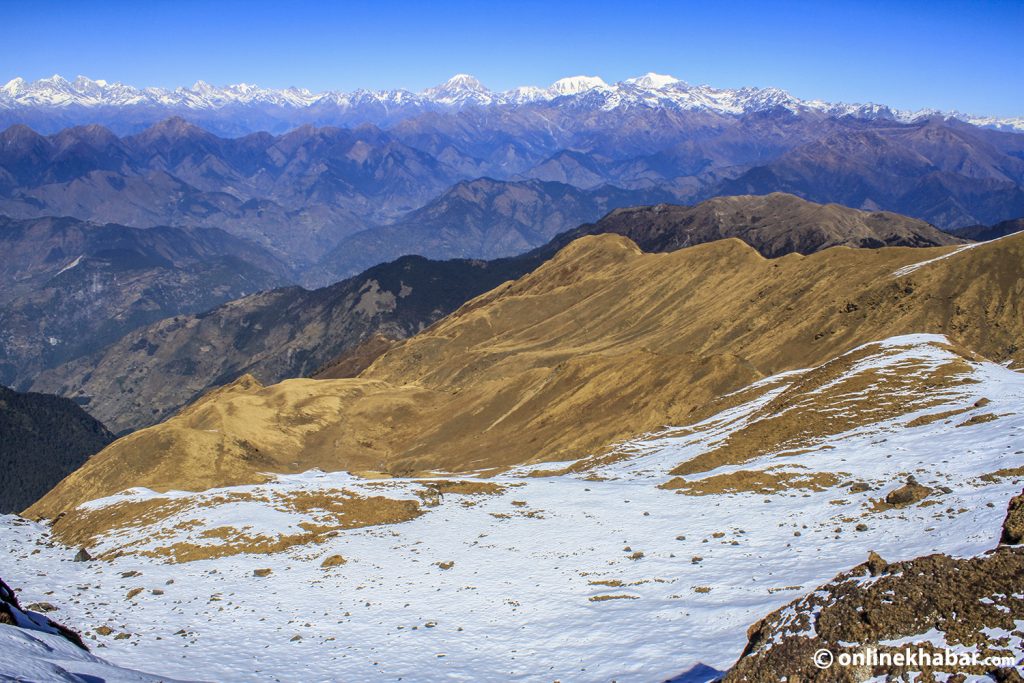
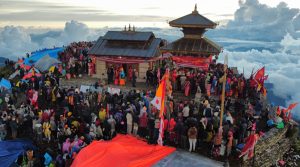
Badimalika in Bajura is known for both its religious significance and natural beauty.
Located at an elevation of around 3,800 metres above sea level, the Badimalika Temple is dedicated to Goddess Kali and is regarded as a Shakti Peetha. According to the Nepal Tourism Board, Badimalika lies in the high hills around the Budhiganga and Karnali rivers.
If you have a long Dashain holiday and enjoy trekking, Badimalika can offer a very different experience. The journey combines a religious pilgrimage with a high-altitude trek.
What to see
The Badimalika Temple and the vast meadows surrounding it are the main attractions.
As the altitude increases, the landscape changes, with open grasslands, green hills and distant mountain views adding to the experience. The Nepal Tourism Board also lists the Himalayan views from Badimalika among its major attractions.
The meadows become particularly colourful when flowers bloom during spring and the monsoon season.
The Badimalika Temple itself is the centre of the religious journey. According to Hindu belief, a part of the body of Sati Devi is believed to have fallen here, and the site is revered as a Shakti Peetha.
The Nepal Tourism Board says large numbers of pilgrims visit Badimalika, particularly during Janai Purnima.
7. Api-Nampa — Face to face with the Himalayas
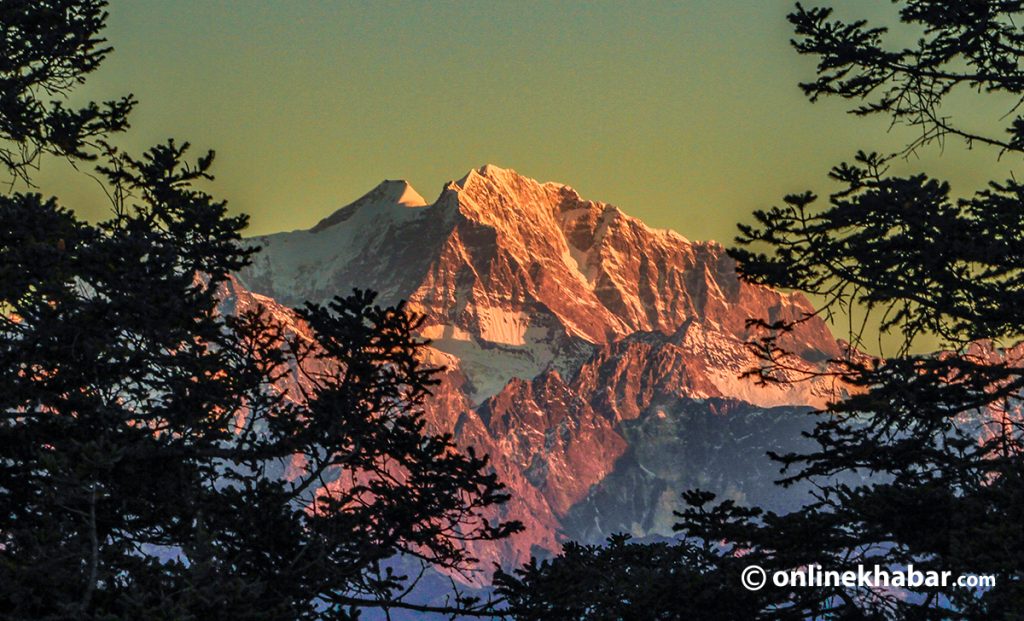
For those looking for a more adventurous journey, the Api-Nampa Conservation Area in Darchula offers a high-altitude experience.
The Nepal Tourism Board lists Api-Nampa among Sudurpaschim’s major natural destinations, with Api Himal as one of its main attractions. The provincial government’s tourism information also includes Api Himal and the Api-Nampa region among the province’s major tourist sites.
What to see
The Api-Nampa Conservation Area is a Himalayan landscape known for its mountains and natural beauty. The Api and Nampa mountain ranges, high-altitude landscapes, mountain settlements and local culture are among its main attractions.
During treks, visitors can experience mountain views along with Himalayan forests, medicinal plants, wildlife and different species of birds.
The area also offers an opportunity to observe the landscapes around Kaladhunga, Sitola and the Byas region, as well as the lifestyles of local mountain communities.
With its rich biodiversity, Api-Nampa can also be an attractive destination for those interested in rare Himalayan plants and wildlife.