


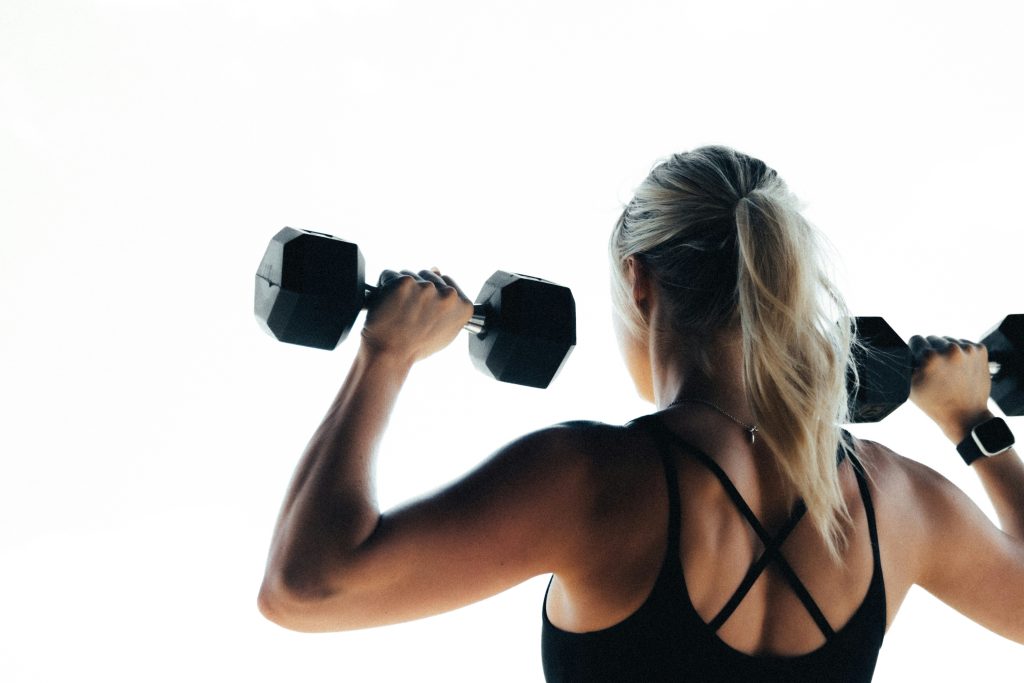
At first glance, they are simply three women at the gym.
They arrive, work out, lift weights and leave. But spend a little more time talking to them and the story becomes something else.
They are mothers. They carry children, run households, worry about their families and navigate the expectations that often come with being a woman. And now, for about an hour at a time, they are choosing to carry something else too — weights.
I met three mothers at my gym who had been working out consistently for about a month. Each came for a different reason. One was concerned about her physical health. Another was encouraged by a doctor. The third was influenced by her friends and supported by her husband.
What they had in common was not simply a desire to become fitter. It was the decision to make a little time for themselves.
For many mothers, carrying a baby is just one of the many things they carry every day. There are household responsibilities, family expectations, worries and the needs of others. Somewhere between all of these responsibilities, finding time for themselves can become difficult.
So I wanted to know what happens when a mother decides that her own health and happiness deserve some space too.
The first woman I spoke to was Chandrakala Gajurel, 53.
Her journey to the gym began with concerns about her physical health. Her daughter encouraged her to take better care of herself. Before joining the gym, Chandrakala had undergone physiotherapy rather than exercising regularly. She had tried being physically active before, but had eventually stopped because of financial difficulties.
Now, after about a month at the gym, she is working towards becoming fitter and healthier.
But it was not just her decision to start exercising that caught my attention. It was how she had managed to make the gym part of her life.
Chandrakala has not told her husband that she joined the gym because she expects it would lead to a lot of questions. Her mother-in-law knows that she goes, but does not really pay much attention to it.
For Chandrakala, the gym has quietly become something of her own. It is a place to exercise, but it is also a small break from her usual responsibilities — a little time in the day that belongs to her.
Then there is Kabita Khatiwada, 42.
Kabita has a rather different relationship with the gym. When she talks about going, there is an enthusiasm that is hard to miss. She told me that coming to the gym sometimes feels like going to play school. She waits for her gym time and gets excited about going. At the same time, she wishes the gym opened earlier than 3pm. With the responsibilities she has at home, the timing is not always convenient.
Kabita is a mother of two, a son and a daughter, whose daughter is currently in Grade 8. Like many mothers, finding time for herself is not always easy.
She first came to the gym after a doctor suggested that she exercise. But her story is about more than fitness.
Kabita got married while she was still studying for her undergraduate degree, even though she did not want to get married at that time. That experience has stayed with her and shaped the way she thinks about the expectations placed on women.
She told me that she does not want to pass those same traditions and expectations on to her daughter or, one day, her future daughter-in-law.
She wants the women in her family to have more choice and freedom than she had.
Perhaps that is why the gym means something more to her than exercise. It is something she genuinely looks forward to. It is a small part of her day where she gets to make a choice for herself.
The third woman I spoke to was Muna Baskota, 56, who lives in Balkot with her family.
Muna’s decision to join the gym was mainly influenced by her friends, while her husband also encouraged her to go.
After about a month, she says she is enjoying it. She feels fitter and fresher, and believes the gym has helped both her mental and physical wellbeing. Before joining, Muna had been experiencing back pain. She felt that medical treatment had not been particularly effective. Since starting at the gym, however, she feels that her health has been improving.
She says she has experienced less pain and has also noticed that her sleep has become more regular after previously being disturbed. Her husband encouraged her to try the gym, and she has been happy with the change.
For Muna, as with the other women, the gym has become more than a place to exercise. It is time away from her usual responsibilities and time she can spend focusing on herself.
Listening to these three women, I began to realise that this was not really a story about women who had started going to the gym. It was about women making space for themselves.
Motherhood is often associated with caring, sacrificing and putting others first. A mother is expected to take care of her children, her husband, her home and the people around her.
But somewhere between all those responsibilities, the woman herself can become invisible.
The gym does not erase any of their responsibilities. Chandrakala is still a mother. Kabita is still a mother. Muna is still a mother. But for an hour, they are also simply women taking care of themselves.
That made me think about the way we understand femininity, too.
Femininity is often associated with being gentle, caring, delicate and self-sacrificing. But why can’t strength be feminine too? Why can’t a woman be soft and strong at the same time? Why can’t a mother care deeply for her family while also caring about her own body? And why should taking time for herself be considered selfish?
These women do not necessarily answer all of these questions directly. But their presence in the gym makes us ask them.
The idea for the title, “From Carrying Babies to Lifting Weights”, started as a playful thought. But after listening to these women, it began to mean something more.
Mothers have always carried things.
They carry babies, responsibilities, expectations and, often, the emotional weight of their families. Now, these women are choosing to lift weights too. Not because they are leaving their responsibilities behind, but because they are making room for themselves alongside them.
The dumbbell they lift is not replacing the baby they once carried. It represents something different — their health, their strength, their confidence and their right to have time for themselves.
Maybe being a strong mother does not mean carrying everything alone. Maybe sometimes, strength means knowing that you deserve to be carried too — by your own choices, your own confidence and the time you give yourself.
From carrying babies to lifting weights, these mothers are not simply becoming stronger physically. They are reminding us that being a mother is one part of a woman’s identity, not the entirety of it.